A tree can look full and green from the ground while hiding weak limbs, crossing branches or storm damage higher up. That is often where the real professional tree pruning benefits become clear. Good pruning is not about cutting for the sake of it. It is about making a tree safer, healthier and better suited to the space around it.
For homeowners, estates and site managers, that matters more than appearance alone. A neglected tree can block light, scrape roofs, interfere with access or become a real hazard in high winds. The right pruning, carried out by trained professionals, deals with those issues properly without causing unnecessary stress to the tree.
Why professional tree pruning benefits go beyond appearance
Most people first think of pruning as a way to tidy a tree up. That is part of it, but the bigger value is in how the work affects structure, health and risk. Removing the wrong branches, or taking too much at once, can do lasting harm. Poor cuts can leave a tree exposed to decay, trigger weak regrowth or make an already unbalanced canopy even less stable.
Professional pruning is based on tree species, age, condition and location. A mature beech near a driveway needs a different approach from a young ornamental tree in a back garden. The aim is not to force a neat shape onto every tree. It is to improve the tree while respecting how it grows naturally.
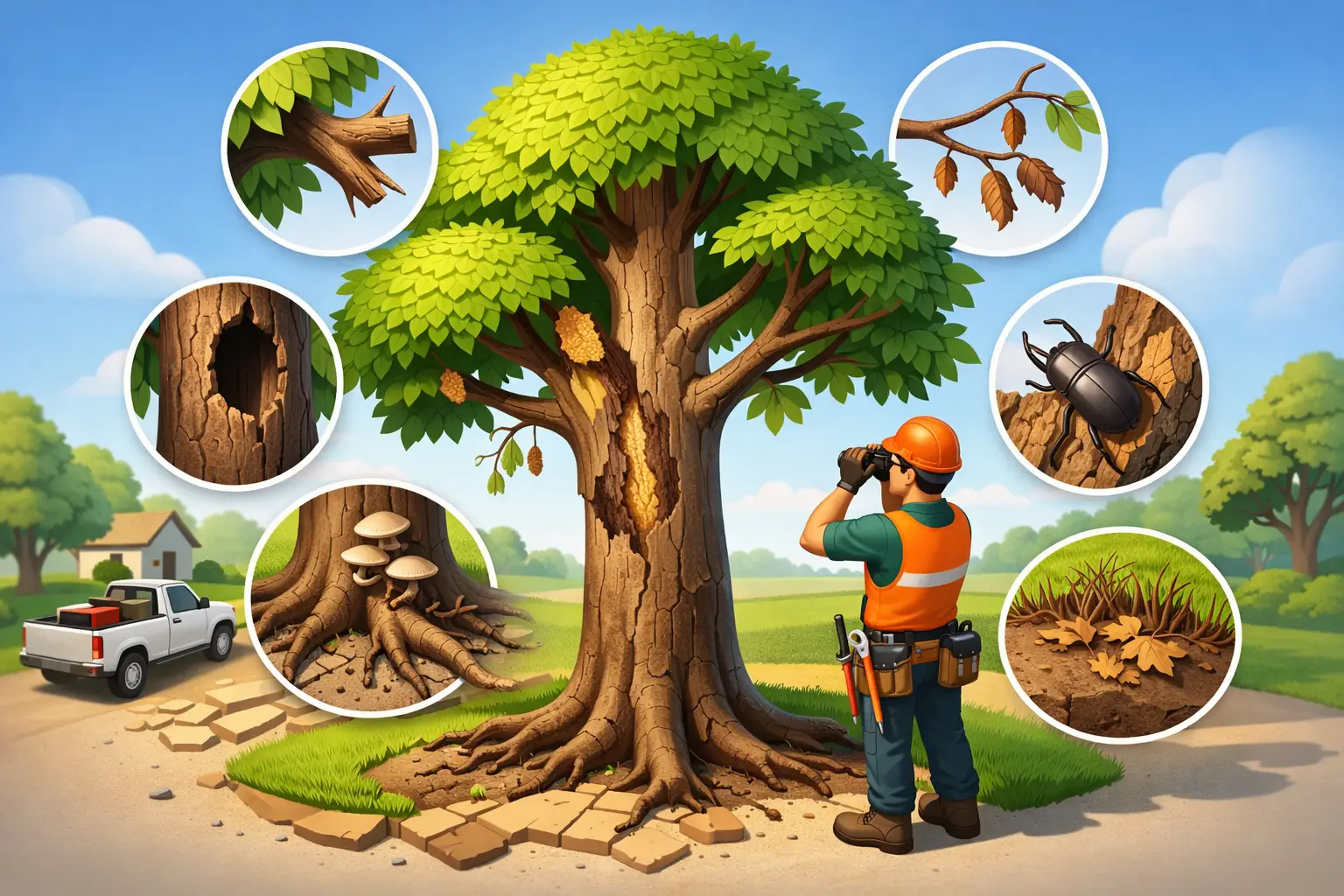
That is why experienced arborists look at the whole picture first. They assess branch unions, signs of disease, weight distribution, nearby structures and likely future growth. In some cases, a light crown lift or selective thinning is enough. In others, the safest option may be more substantial remedial work. It depends on the tree and on what you need the space to do.
Better safety for people, property and access
Safety is usually the most immediate reason people book pruning work. Overhanging limbs above footpaths, roads, parked vehicles or buildings can become a problem quickly, especially after bad weather. Deadwood and damaged branches do not always fall straight away. Sometimes they hang on until the next strong gust.
Professional pruning reduces that risk by removing hazardous material in a controlled way. It can also improve clearance over driveways, gardens, entrances and commercial access routes. That is particularly useful where branches obstruct visibility or create issues for pedestrians, delivery vehicles or routine maintenance.
There is a clear difference between reducing risk and stripping a tree back harshly. Good pruning keeps as much healthy structure as possible while dealing with the parts that pose a danger. That balance protects both the tree and the people using the space around it.
Healthier trees with stronger long-term growth
One of the most valuable professional tree pruning benefits is improved tree health. Trees often develop dead, diseased, rubbing or congested branches as they mature. Left alone, these can create entry points for pests and decay, or lead to poor crown structure over time.
Selective pruning helps the tree direct energy where it is needed most. Removing deadwood and poorly attached growth can reduce stress and encourage stronger development. Better airflow through the canopy can also help lower the chance of some fungal problems, particularly where growth has become dense and crowded.
That said, timing matters. Different species respond better to pruning at different points in the year, and heavy work at the wrong time can leave a tree vulnerable. This is one reason professional advice is worth having. The best result is not just about what gets cut, but when and how it is done.
A better shape without damaging the tree
There is nothing wrong with wanting a tree to look more balanced and in keeping with the rest of the garden or site. The trouble starts when appearance is treated as the only goal. Topping or overly aggressive cutting can leave a tree misshapen, unstable and full of weak regrowth.
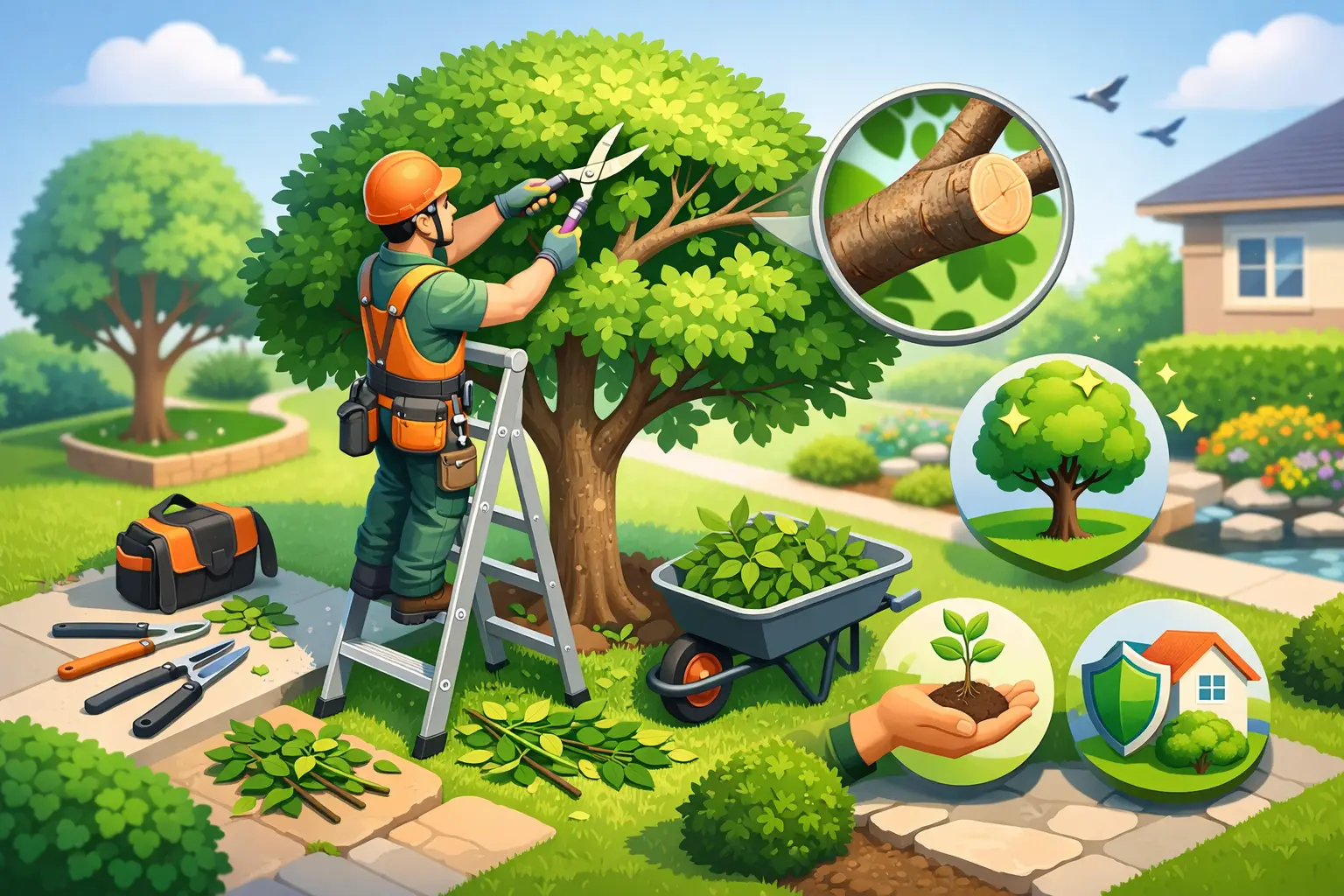
Professional pruning improves form in a measured way. It can rebalance an uneven canopy, lift lower branches to open up a view, or reduce encroachment on nearby features while keeping a natural outline. The result tends to look better because it does not look forced.
For domestic properties, that can make a big difference to how a garden feels. More light reaches lawns and borders, paths are clearer, and the tree sits more comfortably within the space. For commercial sites and managed grounds, a well-maintained tree stock also gives a stronger impression of care and competence.
More light and more usable space
A common complaint is that a tree has simply taken over. Rooms become darker, lawns struggle, and branches start crowding fences, sheds or parking areas. In these cases, careful pruning can restore the space without removing the tree altogether.
Crown thinning can allow more light through while retaining the tree’s overall size and character. Crown lifting can create practical clearance beneath lower limbs. Sometimes a modest crown reduction is the right answer where spread or height has become an issue near buildings or boundaries.
There is always a trade-off. If too much is removed to chase light quickly, the tree may respond badly or produce excessive regrowth. A professional approach aims for improvement that lasts, not a short-term fix that creates more work later.
Lower maintenance and fewer costly problems
Routine pruning often saves money over time. A tree that is managed properly is less likely to cause repeated issues with gutters, roofs, signage, lighting columns, fences or neighbouring spaces. It can also reduce the volume of leaf and twig drop in awkward areas, although no pruning will stop that entirely.
More importantly, regular inspections during pruning work can pick up defects before they become expensive emergencies. Cracks, decay pockets, weak unions and storm damage are easier to deal with when spotted early. Waiting until a branch fails is rarely the cheaper option.
For larger properties, estates and commercial grounds, planned maintenance also helps with budgeting. It is easier to schedule sensible tree work than to deal with urgent call-outs, disruption and potential liability after something goes wrong.
Professional tree pruning benefits for compliance and peace of mind
Not every tree can be pruned freely. Some are covered by Tree Preservation Orders or stand within conservation areas, and work may need consent before it goes ahead. There is also the practical issue of carrying out pruning safely when trees are close to roads, buildings, utilities or public areas.
This is where using a qualified team matters. Professional contractors understand safe access, proper cutting techniques and site management. They are also far more likely to recognise when legal checks are needed before work starts.
For the customer, that means fewer unknowns. You are not guessing how much can come off, whether the work will harm the tree, or how the waste will be handled. You get a clear plan, safe execution and a tidy finish. That reassurance is a major benefit in itself, especially when the tree is large, awkward or close to something expensive.
When pruning is worth doing and when it may not be
Pruning is useful, but it is not automatically the answer to every tree problem. A tree with extensive decay or severe structural weakness may need more than a trim. Equally, some trees are better left alone apart from the removal of dead or dangerous material. Over-managing a healthy tree can create issues where none existed before.
A good contractor will say so. Honest advice is part of the service. Sometimes the right recommendation is light maintenance now and a review later. Sometimes it is a larger programme of work. And sometimes it is to leave the tree as it is because pruning would offer little benefit.
That straightforward assessment is especially important after storms or when a tree suddenly looks different. Split limbs, hanging branches and root disturbance need proper inspection. What looks minor from the ground may not be minor at all.
Choosing the right standard of pruning work
Tree pruning should leave a tree safer and in better condition, not hacked back and struggling to recover. That comes down to training, equipment, judgement and care on site. Clean cuts, safe climbing or access methods, proper lowering where needed, and a clear understanding of the tree’s structure all make a difference.
For customers across Fife, Dundee and Perth, that usually means choosing a team that can handle routine maintenance as confidently as more awkward, high-risk work. HL Tree Services takes that approach – practical advice, professional standards and a clean, careful finish rather than rushed cutting.
A well-pruned tree does not just look tidier for a few weeks. It works better in the space, holds up better over time and gives you fewer problems to worry about. If a tree on your property is overgrown, unbalanced or becoming a concern, getting it assessed early is often the smartest step.