A tree that has started brushing the roof, blocking light from the garden, or throwing dead limbs in high winds usually gives you fair warning before it becomes a bigger problem. That is where tree pruning Fife property owners often ask about – not just cutting branches back, but doing it properly so the tree stays safe, healthy and suitable for its surroundings.
Good pruning is rarely about taking as much off as possible. In most cases, the best result comes from careful reduction, selective removal and a clear plan for how the tree will respond over the next few growing seasons. Done well, pruning improves structure, reduces risk and keeps a tree looking natural. Done badly, it can weaken the tree, spoil its shape and create more work later.
Why tree pruning in Fife needs a proper approach
Fife has no shortage of mature gardens, roadside trees, boundary hedges and exposed sites that take the full force of coastal weather. Trees in places such as St Andrews, Cupar, Dunfermline or the East Neuk are often dealing with wind, restricted space and nearby buildings all at once. That means pruning decisions need to account for more than appearance.
A large sycamore over a drive has different needs from an ornamental cherry in a back garden. A beech close to a public footpath is not treated the same way as a conifer shelter belt on a rural property. The right approach depends on species, age, condition, location and the reason for the work.
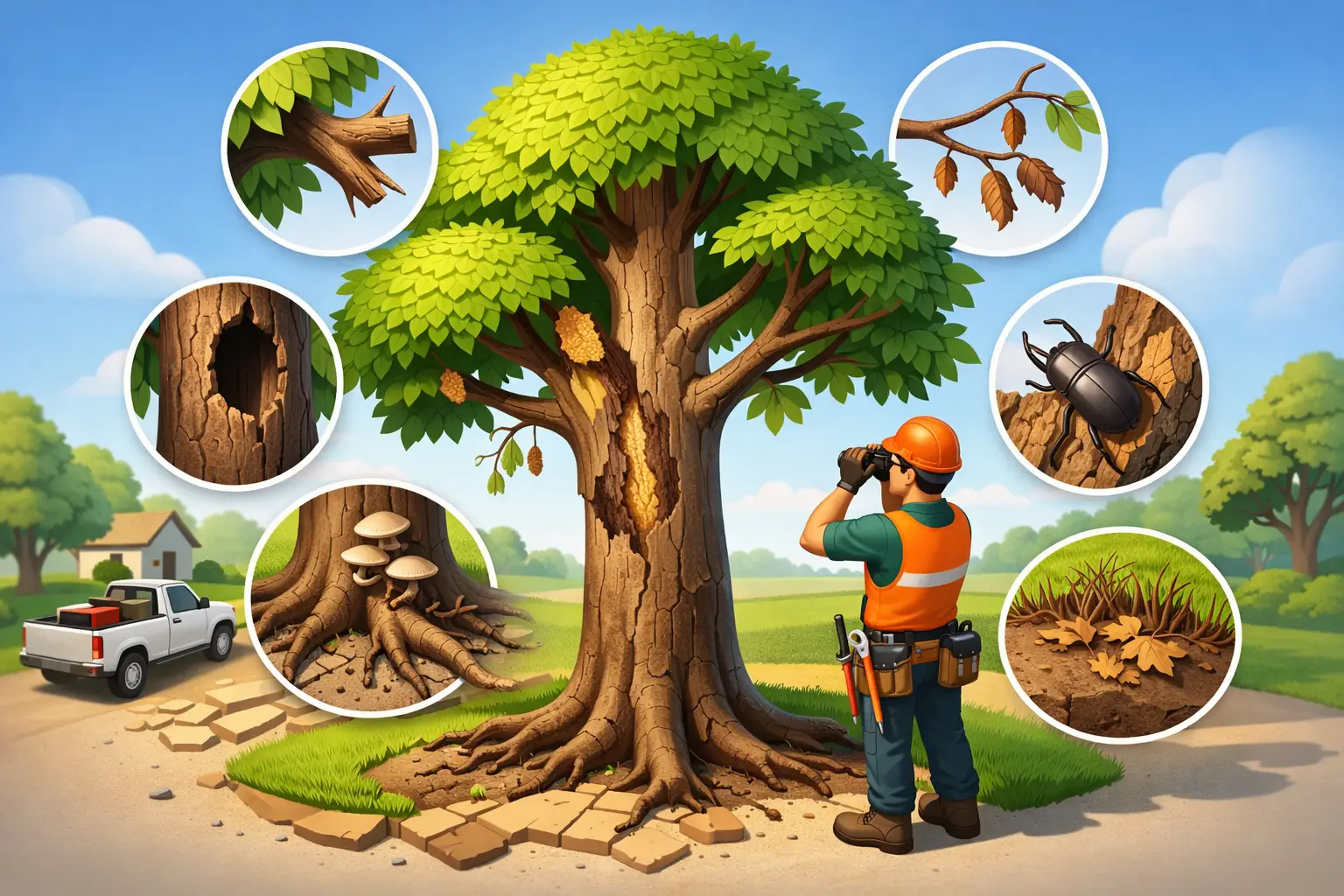
That is why professional pruning starts with assessment. Before a single cut is made, you need to know whether the goal is crown reduction, crown lifting, thinning, deadwood removal, clearance from structures, or managing storm damage. Those are not interchangeable jobs, and they do not produce the same result.
What proper pruning should achieve
The best pruning work solves a problem without creating a new one. If a tree is overhanging a neighbour’s boundary, blocking access, scraping a roof or carrying dead or damaged branches, pruning should address that issue while preserving the tree’s health and shape.
In practical terms, that usually means retaining the natural form of the canopy, avoiding harsh cuts and removing weight in a balanced way. Trees respond to pruning through growth patterns, wound closure and stress reactions. If too much live growth is removed in one visit, the tree may produce weak regrowth or become more vulnerable to decay.
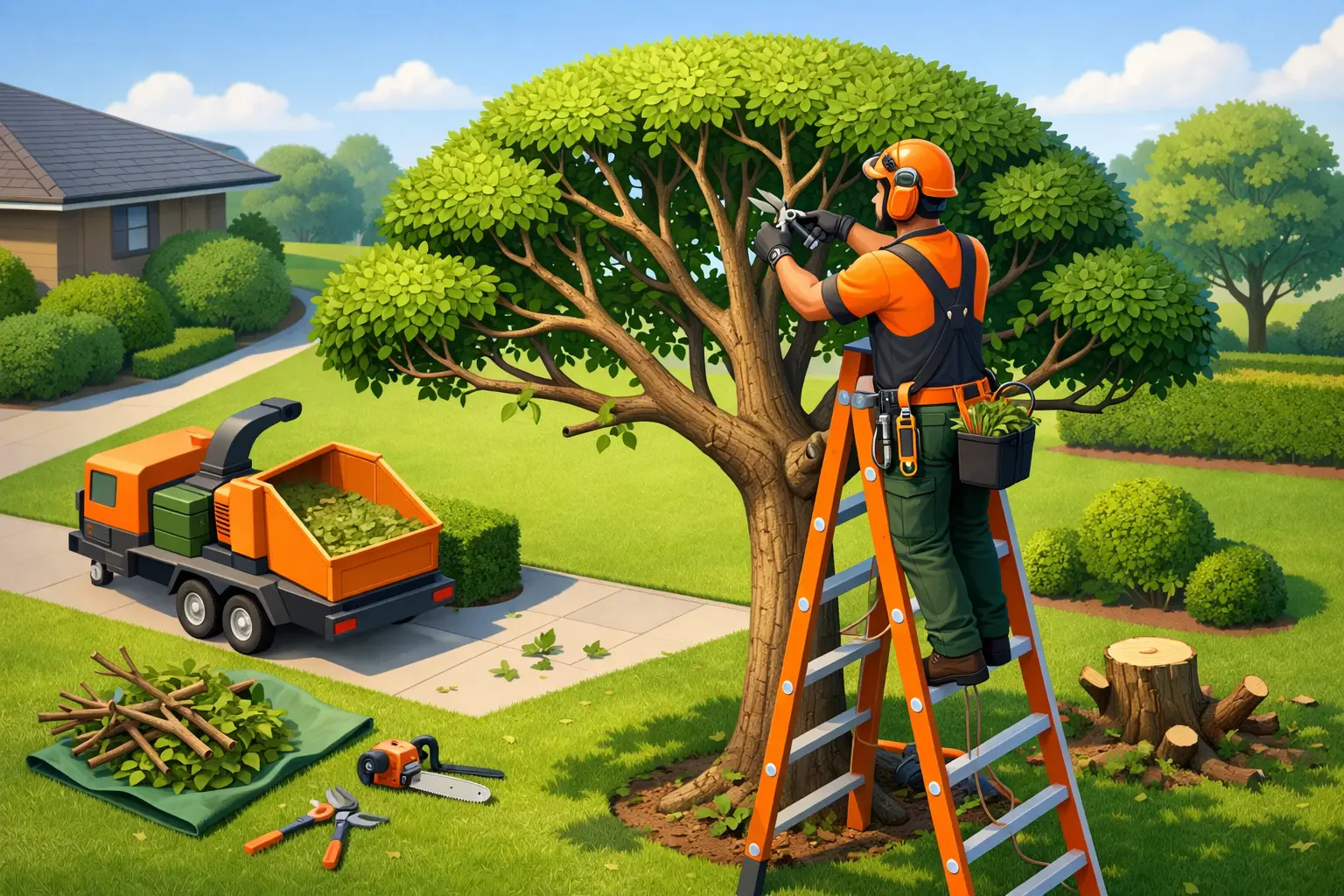
There is also a safety side that matters just as much. Climbing, rigging and cutting at height is skilled work. Branches above garages, fences, sheds, glasshouses, parked vehicles or public areas need controlled handling, not guesswork. On awkward sites, specialist access equipment can make the work safer, faster and cleaner.
Common reasons customers book tree pruning Fife services
Most people do not call for pruning because they fancy changing the look of a tree. They call because something has become inconvenient, worrying or unsafe.
One common reason is clearance. Branches may be growing towards chimneys, phone lines, gutters or neighbouring properties. Another is light. Mature crowns can heavily shade lawns, patios and windows, particularly in smaller gardens where one tree dominates the space.
Deadwood is another frequent issue. Even when the tree itself is broadly healthy, dead limbs can become hazardous in windy weather. In exposed parts of Fife, that is not something to leave until after a storm. Pruning may also be needed after weather damage, when cracked, hanging or split branches need to be removed before they fail.
For commercial sites, estates and landlords, the need is often more about ongoing management. Trees over car parks, footpaths, boundaries and access routes need to be maintained sensibly. Waiting until there is an emergency usually costs more and limits your options.
Timing matters more than many people think
There is no single perfect month for every pruning job. Timing depends on the species and the objective.
Many broadleaf trees are best pruned during dormant periods, when structure is easier to assess and stress can be reduced. Others are better left until late summer. Some species, including certain maples and birches, can bleed sap if pruned at the wrong time of year. Flowering trees may need attention after blooming if you want to preserve next season’s display.
Then there is the practical side. If a branch is damaged, unstable or causing immediate risk, safety comes first. In that case, the right time is as soon as possible. Urgent work after storms is often less about ideal pruning windows and more about making the site safe.
This is where honest advice matters. Sometimes the right recommendation is to prune now. Sometimes it is better to wait a few weeks for a healthier or more effective result.
How to spot poor pruning before you agree to the work
If you are comparing quotes, it helps to know what bad practice looks like. One warning sign is vague language such as “we’ll lop it back” without explaining what will actually be done. Another is a plan to remove a large percentage of the crown simply to make the tree smaller.
Topping is a classic example of poor work. Cutting major limbs back to stubs may seem like a quick fix, but it leaves the tree looking harsh, encourages weak regrowth and can start a cycle of repeated remedial work. Excessive thinning can also cause problems, especially if the crown is opened up too much and the tree becomes exposed to wind or sunscald.
A good contractor should explain the method in plain terms, set realistic expectations and be clear about what the tree will look like afterwards. They should also consider access, safety, site protection and clean-up rather than treating the job as a quick cut-and-go.
Tree pruning in Fife and legal checks
Before pruning starts, it is worth checking whether the tree is protected. Some trees are covered by Tree Preservation Orders, and others may stand within conservation areas. If that applies, consent may be needed before work can go ahead.
This is another reason to use a professional team. The legal side is easy to overlook, particularly for homeowners who simply want branches cut back from a house or garden boundary. Carrying out unauthorised work on a protected tree can become a far bigger problem than the overgrowth you were trying to fix.
There can also be issues around ownership, boundaries and neighbouring properties. A sensible approach is always to establish responsibility first, then plan the work properly.
What to expect from a professional pruning job
A proper service should feel organised from the first visit. The tree is assessed, the objective is discussed and the scope of work is explained clearly. You should know whether the plan is to reduce, reshape, lift, thin or remove deadwood, and why that option has been recommended.
On the day itself, the work area should be managed safely and with care for the property. That means protecting lawns, borders, paving and structures where possible, controlling cut material, and using the right equipment for the site. For larger or more awkward trees, that may involve climbing techniques, rigging systems or a cherry picker.
Just as important is the standard of finish. A professional job does not leave torn bark, random stubs and a heap of brash across the garden. It leaves a tree that still looks like a tree, with the problem addressed and the site left tidy.
HL Tree Services works with that standard in mind because customers want more than branches removed. They want the job done safely, cleanly and with a result that lasts.
When pruning is not enough
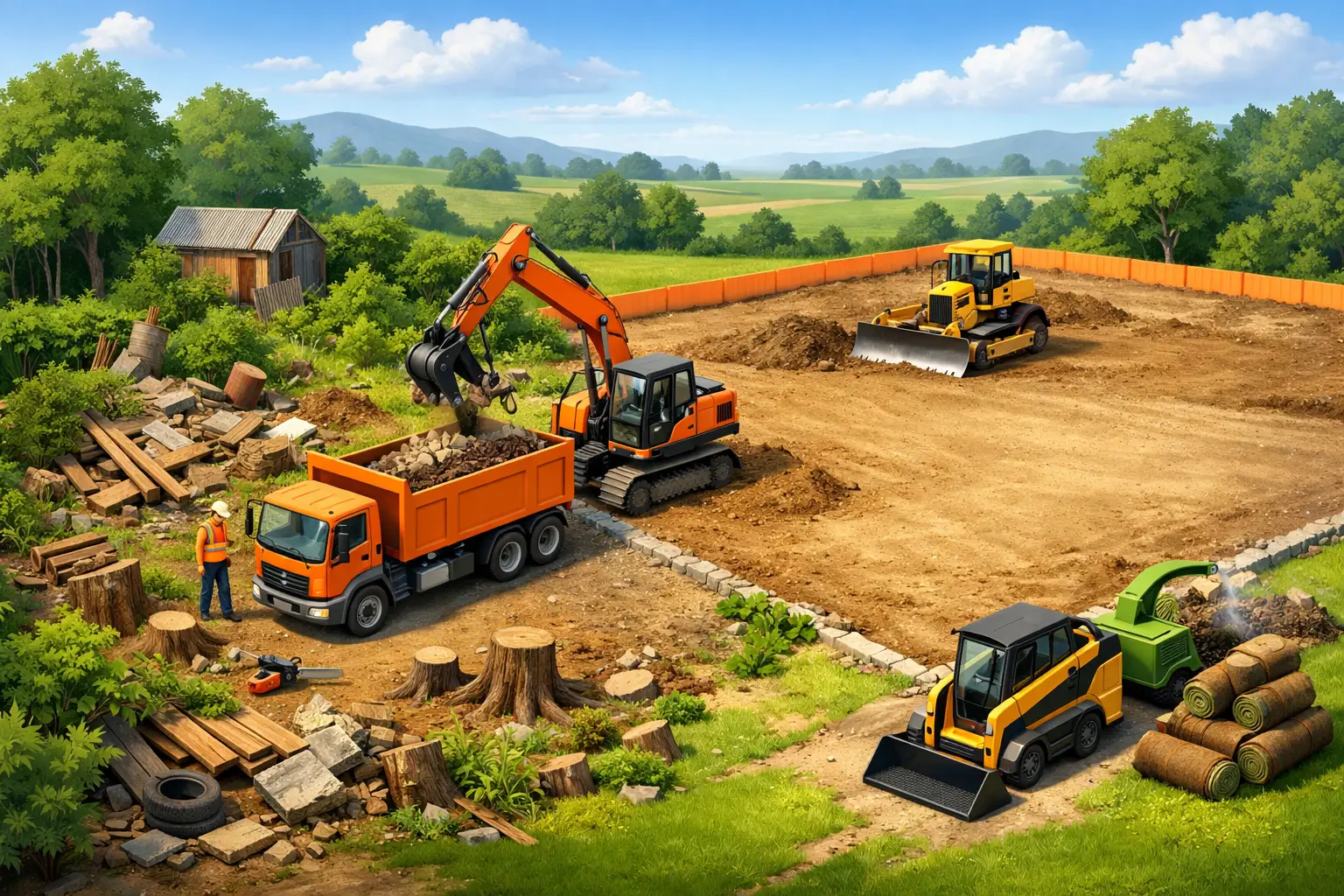
There are times when pruning is the wrong answer. If a tree is structurally unsound, heavily diseased, causing major damage or completely unsuitable for its position, reducing it again and again may only postpone the real decision.
That can be frustrating to hear, especially if the tree has sentimental value or provides privacy. But sensible tree care is not about recommending work for the sake of it. Sometimes selective pruning buys years of safe life. Sometimes removal and replacement is the more responsible option.
The difference comes down to condition, risk and long-term management. A good arborist should be willing to say when lighter intervention will do and when it will not.
If you are looking at a tree and wondering whether it needs attention, the safest assumption is not that it needs heavy cutting. It is that it needs a proper look. The right pruning work should leave you with a safer, healthier tree and a clearer idea of what it will need next, not a mess to regret by next winter.