A neglected plot can look straightforward until the work begins. Dense brambles may conceal stumps, broken fencing, old materials, uneven ground or trees with unstable limbs. Professional site clearance Cupar gives homeowners, landowners and developers a safe, organised starting point – whether the aim is to reclaim a garden, prepare land for building work or bring an overgrown commercial site back under control.
The right approach is not simply to cut everything down and remove it. It starts with understanding what is on the land, what needs to stay, how access will work and where the cleared material will go. That planning protects people, neighbouring property and the trees worth retaining.
What site clearance in Cupar can include
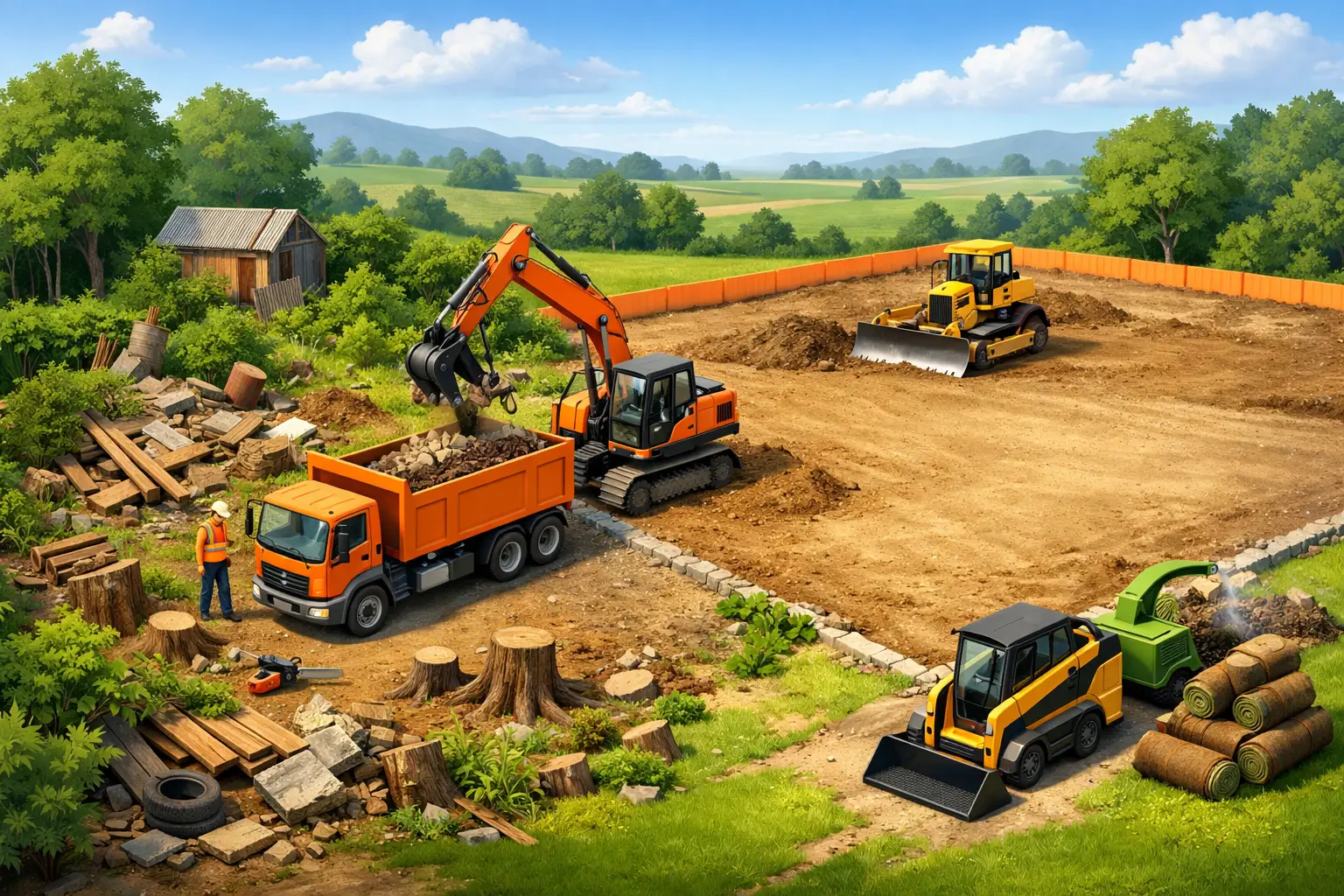
Site clearance covers the removal and management of unwanted vegetation, trees, shrubs, hedges, brambles, stumps and green waste. The exact scope depends on the site. A domestic garden may need an overgrown hedge reduced, self-seeded trees removed and old stumps ground out before landscaping begins. A larger plot may require scrub clearance, tree felling, vegetation removal and a clear working area for contractors.
It can also involve dealing with awkward access. Many properties have narrow side entrances, sloping gardens, walls, sheds or nearby buildings that make a straightforward felling job unsuitable. In these situations, trees may need to be dismantled in controlled sections, with branches lowered carefully and timber removed from site.
A professional team can assess the work before starting and agree what a finished site should look like. Some customers want a completely clear plot. Others want selected mature trees, boundary hedges or natural screening retained. Both are valid, but they require different methods.
Start with a clear plan, not a clearance machine
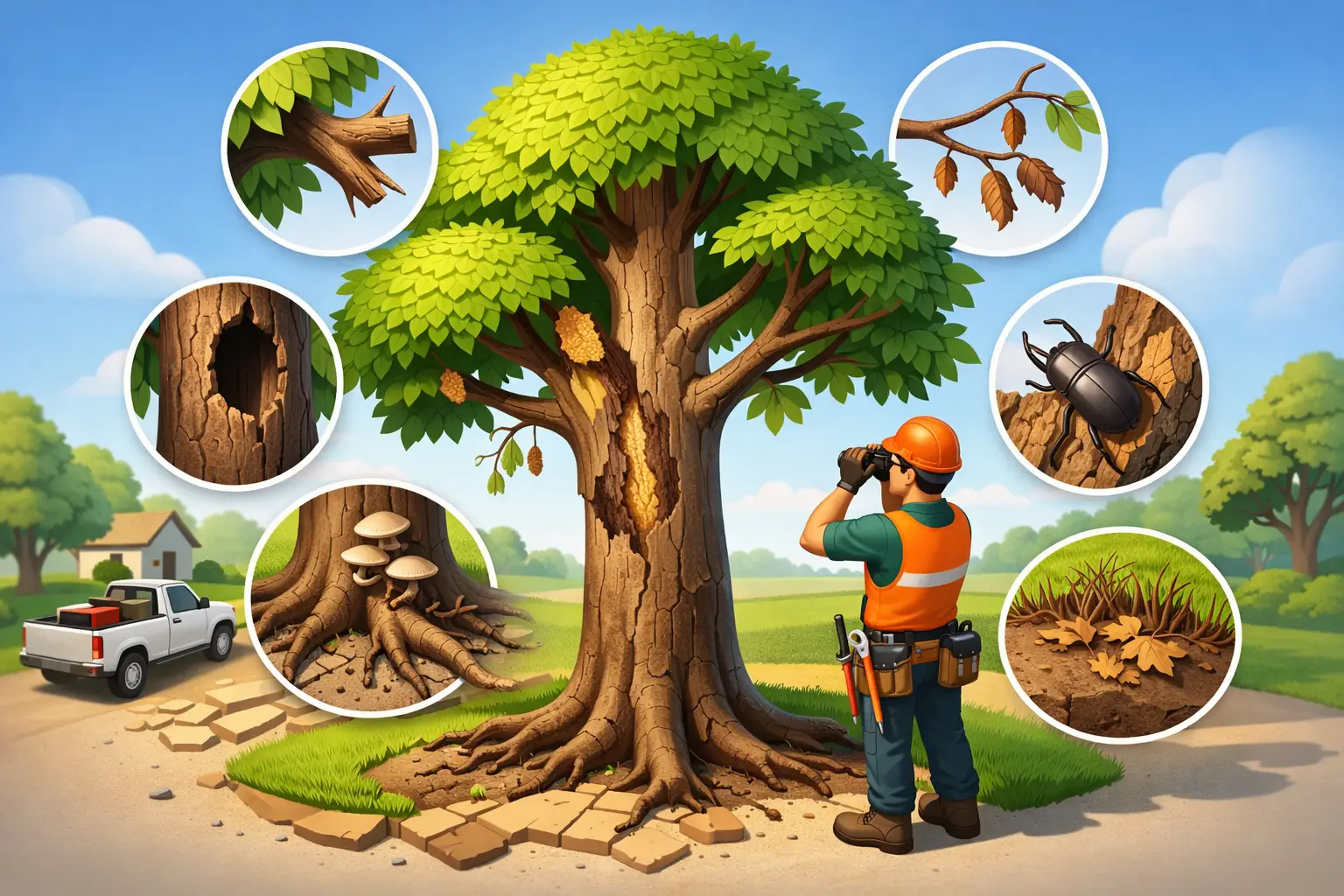
The quickest-looking option is not always the safest or most cost-effective one. Before clearance begins, the site should be checked for tree condition, overhead services, underground utilities, public access, wildlife habitat and the practical route for machinery or a lorry.
Trees close to houses, roads, power lines or neighbouring gardens need particular care. A dead or storm-damaged tree can be unpredictable, while a healthy tree may be worth preserving for shelter, privacy or the value it adds to the property. Removing it without considering the wider plan can leave a site exposed and create unnecessary replacement costs later.
There may also be legal considerations. Trees protected by a Tree Preservation Order, or those within a conservation area, can require permission or notice before work is carried out. It is always worth checking this early. Discovering restrictions after arranging a build schedule can cause avoidable delays.
A survey prevents surprises
For larger development sites, estates or land with a significant number of trees, a tree survey can be the sensible first step. It identifies tree species, condition, likely management needs and any trees that should be retained and protected during construction.
This is especially useful where machinery, foundations, new access routes or drainage works are planned. Tree roots extend far beyond the trunk, and careless excavation can damage a tree that initially appears untouched. Early arboricultural advice helps make room for the project without creating future safety or liability issues.
Safe removal is about control
Clearance work often involves more than ground-level cutting. Overgrown sites can contain leaning stems, ivy-covered trees, hanging branches and dense vegetation that hides hazards. A trained team works methodically, using the appropriate equipment for the tree size, location and access conditions.
Where there is space and no risk to people or property, a tree may be felled from the ground. Where space is restricted, sectional dismantling is usually the better choice. Climbers and ground staff can remove the tree in manageable pieces, controlling each stage rather than relying on a single fall direction.
Specialist access equipment such as a cherry picker can be valuable where a tree is unsafe to climb, heavily damaged or positioned beside buildings. It is not needed on every job, but when it is the safest option, it can reduce risk and allow the work to be completed efficiently.
For customers, the practical benefit is simple: clearance should not leave damaged fences, crushed lawns or branches scattered across the site. Good preparation, competent cutting and active ground management make a visible difference.
Stumps, roots and the ground beneath
Tree removal does not automatically mean the job is complete. Stumps can obstruct fencing, patios, driveways, turfing and building works. They can also send up new growth or become a trip hazard if left hidden in long grass.
Stump grinding removes the remaining stump below ground level, producing woodchip that can be removed or, where suitable, left for use in the garden. The ideal depth depends on what happens next. For grass or planting, a practical below-ground finish may be enough. For a new structure, path or driveway, the requirements may be different and should be discussed with the relevant contractor.
Not every root should be aggressively removed. Mature roots can be extensive, and excavation close to buildings or services requires care. The aim is to prepare the land properly, not to create instability or disturb ground that does not need to be touched.
Waste removal and a tidy finish matter
A cleared site should look genuinely ready for its next use. That means collecting brash, timber, hedge cuttings and other agreed green waste rather than leaving the customer with piles to deal with.
Some timber can be retained for firewood, habitat piles or future use if it is safe and useful to do so. On other sites, full removal is the better option, particularly where space is limited or the plot is being prepared for immediate construction. The best choice depends on the customer’s plans, access and the volume of material involved.
Clean-up is also about the smaller details: raking through work areas, checking entrances and access routes, and making sure no loose branches or cut material have been left where they could cause a problem. It is one of the clearest signs of professional workmanship.
Site clearance for homes, land and commercial premises
Homeowners often arrange clearance before a garden redesign, extension, new fencing or property sale. Removing unmanaged vegetation can reveal the true size of a garden and make future maintenance far more manageable. However, complete clearance is not always necessary. Selective thinning may keep the privacy and character of an established garden while making it lighter and safer.
Landowners may need larger areas cleared after storm damage, before agricultural work, or to regain access to boundaries, tracks and drains. In these cases, reliable scheduling and suitable equipment are just as important as the cutting work itself.
Commercial sites and property managers need a contractor who can work safely around staff, visitors, vehicles and buildings. Clear communication, controlled work zones and dependable waste removal help keep disruption to a minimum. For urgent hazards, such as a fallen or dangerous tree blocking access, a rapid response can prevent a small issue becoming a lengthy closure.
Choosing the right clearance contractor
Price matters, but it should not be the only deciding factor. A very low quote can exclude waste removal, stump work, difficult access, traffic management or the safe dismantling needed around buildings. Ask what is included, what will be left on site and whether the quote reflects the actual condition of the land.
Look for a team with the training, insurance, equipment and local experience to deal with the job in front of them. A contractor should be willing to explain the proposed method in plain terms, point out any concerns and give honest advice where total clearance is not the best answer.
HL Tree Services provides site clearance across Cupar and the wider Fife area, from small overgrown gardens to larger, more demanding plots. The focus is on safe tree work, practical planning and leaving the site clean and ready for the next stage.
A well-cleared site creates options. Before work begins, be clear about what you want to build, plant, protect or access afterwards – that one conversation can turn a basic clearance job into a result that serves the property for years.