A newly planted tree can improve a garden for decades, but only if it suits the ground, the space and the job you need it to do. That is why tree planting Fife property owners are planning should never be treated as a quick add-on. The right tree in the wrong place can become expensive, awkward to manage, or fail before it ever gets established.
In Fife, planting decisions need to work with local conditions rather than against them. Coastal exposure, heavier soils, tighter garden boundaries and nearby buildings all affect what will thrive. For homeowners, estates and commercial sites alike, successful planting starts with clear thinking long before the first spade goes into the ground.
Why tree planting in Fife needs a proper plan
Planting a tree is simple in theory. Dig a hole, place the tree, backfill and water. In practice, most problems begin much earlier than that. A species may be chosen for fast growth without thinking about mature height. A decorative tree may be planted too close to a drive, wall or neighbouring boundary. On development sites, young trees are sometimes put into compacted ground and expected to cope.
Fife has a mix of urban gardens, rural land, exposed coastal plots and managed commercial spaces. What works well in a sheltered garden in Dunfermline may struggle badly closer to the coast, where wind and salt exposure can be a real factor. Soil type matters too. Some areas hold water for long periods, while others drain quickly and leave young trees stressed in dry spells.
A proper planting plan looks at purpose first. You might want screening, shelter, seasonal interest, habitat value or a long-term feature tree. Each of those aims points towards different species, planting methods and maintenance needs. That is where professional advice saves time and avoids costly mistakes.
Choosing the right tree for the site
The best tree is not always the fastest-growing one or the one that looks good in a nursery pot. It is the one that will still suit the site in ten, twenty and forty years.
For smaller gardens, size at maturity is usually the main issue. Trees that start neatly can soon dominate a space, block light or interfere with structures if they are planted without enough room. Smaller ornamental species often make more sense where space is limited, especially if the aim is blossom, autumn colour or light screening rather than a large canopy.
For larger grounds, shelterbelts, boundaries or estate planting, the conversation changes. Hardiness, establishment rate and long-term management become more important. A mixed planting scheme can often perform better than relying on a single species, particularly where disease resilience and biodiversity matter.
There is also the question of maintenance. Some trees need relatively light management once established. Others may require regular pruning, crown lifting or monitoring because of their form, vigour or location. That does not make them a poor choice, but it should be part of the decision from the outset.
Native, ornamental or practical planting?
It depends on the setting. Native trees can be a strong choice where habitat value, landscape character and resilience are priorities. Ornamental trees can be ideal in domestic gardens where appearance and scale matter most. Practical planting, such as screening for privacy or shelter from prevailing wind, often calls for a more functional approach.
There is no single best option for every property in Fife. A tree that is perfect beside a driveway on one site may be completely wrong near drains, overhead lines or a paved courtyard elsewhere.
The best time for tree planting Fife properties
Timing has a direct effect on establishment. In most cases, the best planting window is during the dormant season, typically from late autumn through to early spring. This gives the tree time to settle before the main growing season begins.
That said, ground conditions matter more than the calendar alone. Frozen ground, waterlogged soil or severe exposure can make planting a poor idea even in the right season. Container-grown trees offer more flexibility, but they still need the right aftercare. Planting in warmer months can work, though it usually means more intensive watering and closer monitoring.
For larger schemes, planning ahead is sensible. Waiting until the ideal week arrives rarely works if access, equipment or site preparation have not been organised in advance.
Site preparation makes the difference
A healthy young tree needs more than a hole in the ground. Poor preparation is one of the most common reasons planted trees struggle.
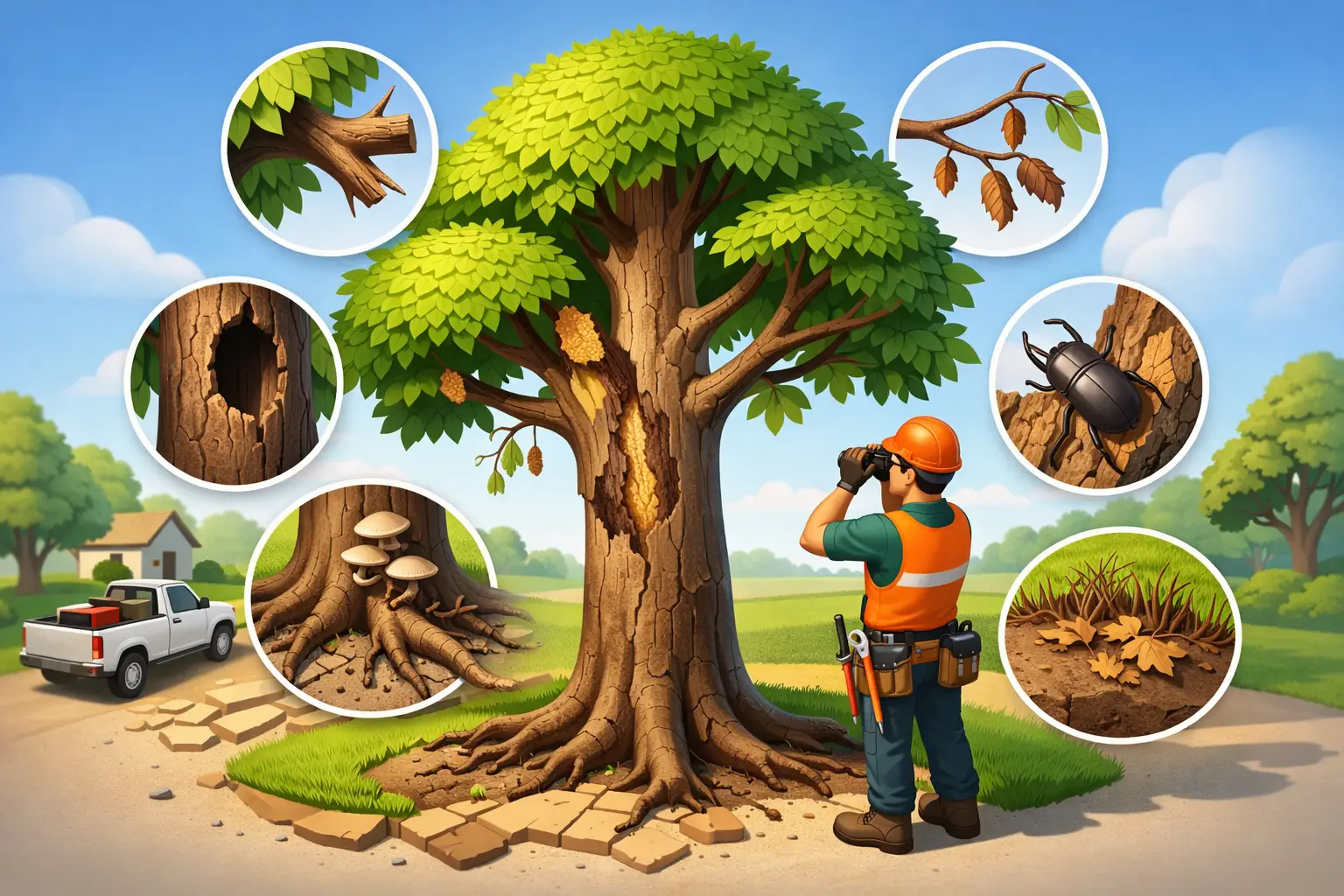
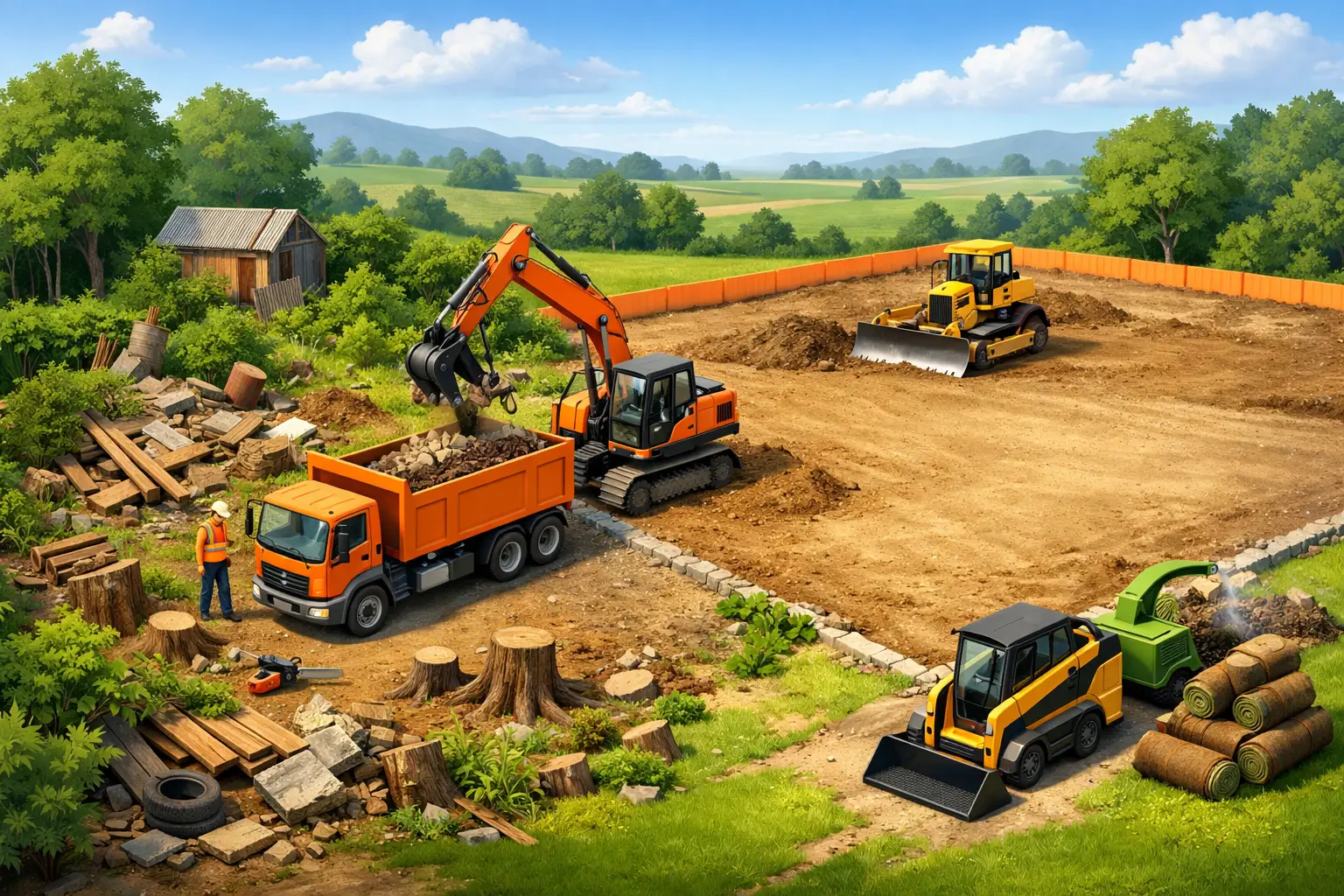
The planting area should be assessed for compaction, drainage, buried services, old stumps and surrounding competition from turf or established shrubs. If the soil has been heavily trafficked by vehicles or machinery, roots can find it difficult to spread. On commercial or development sites, this is especially common.
The planting pit needs to be suitable for the root system, and the tree must sit at the correct depth. Too deep and the stem base can suffer. Too shallow and the roots may dry out. Staking, ties and guards may also be needed depending on tree size, exposure and the risk of movement or damage.
Mulching helps retain moisture and suppress weeds, but it needs to be applied properly. Piling mulch against the stem is a frequent mistake and can do more harm than good.
Aftercare is not optional
This is the part many people underestimate. A tree may look fine when planted and still decline months later if watering, checking and basic maintenance are neglected.
The first few years are critical. Young trees often need regular watering during dry periods, especially in their first growing season. Stakes and ties should be inspected so they support the tree without restricting growth. Competing weeds and grass should be kept under control around the base, and any early signs of stress or disease should be picked up quickly.
Good planting without aftercare is only half a job. For many sites, especially where several trees are being installed, a simple maintenance plan makes the difference between a successful project and repeated replacements.
Common tree planting mistakes to avoid
Most planting problems come down to poor species choice, poor positioning or poor follow-up. Planting too close to buildings is an obvious one, but there are others that are just as common.
Trees are often chosen on appearance alone without enough thought for exposure, soil or final size. In some gardens, people plant for instant effect and place too many trees too close together. On other sites, newly planted stock is left to fend for itself after installation, which is risky in windy or dry conditions.
Another issue is assuming every tree will respond well to the same treatment. Some species are more tolerant of difficult ground and exposed conditions than others. Some establish quickly, while others need more patience and more careful monitoring.
When professional planting support is worth it
Not every tree planting job needs a large team or specialist equipment. A single ornamental tree in a well-prepared domestic garden may be straightforward. But once the site is awkward, access is poor, the ground is challenging or the planting scheme needs to achieve a specific result, expert input becomes far more valuable.
That applies to homeowners trying to plant near structures, landowners managing boundaries or shelter planting, and commercial clients who need a tidy, dependable service with the right equipment and safe working methods. Professional arborists can advise on species selection, spacing, planting technique and aftercare, while also spotting issues that are easy to miss before problems appear.
For larger specimens, sloping ground, restricted access or sites with safety concerns, proper handling and equipment are important. The job is not just about getting the tree in the ground. It is about giving it the best chance to establish cleanly and safely.
HL Tree Services supports clients across Fife with practical advice and professional planting work that suits the site, the purpose and the long-term health of the tree.
Looking ahead, not just planting today
A tree is one of the few features on a property that should improve with age. That only happens when planting decisions are made with the future in mind. Think about the canopy in ten years, not the sapling in front of you now. Think about maintenance access, neighbouring spaces, light levels and how the tree will sit within the wider landscape.
Good planting is never just about filling an empty patch of ground. It is about choosing something that belongs there and giving it the right start. If you get that right, the benefits last a very long time.