A leaning stem after high winds, branches rubbing on a roof, roots lifting paving – most people do not think about tree work until a problem is suddenly hard to ignore. When that happens, finding a tree surgeon Fife property owners can trust matters more than finding the cheapest name on a list. Tree work affects safety, property, access, neighbours and the long-term health of the tree itself.
Why professional tree work matters
Good tree surgery is not just about cutting branches back. It is about understanding how a tree grows, where its weight is carried, how defects show up, and what can be removed without creating a bigger problem later. A poor cut can encourage decay, weaken the crown or leave a tree looking tidied for a month but compromised for years.
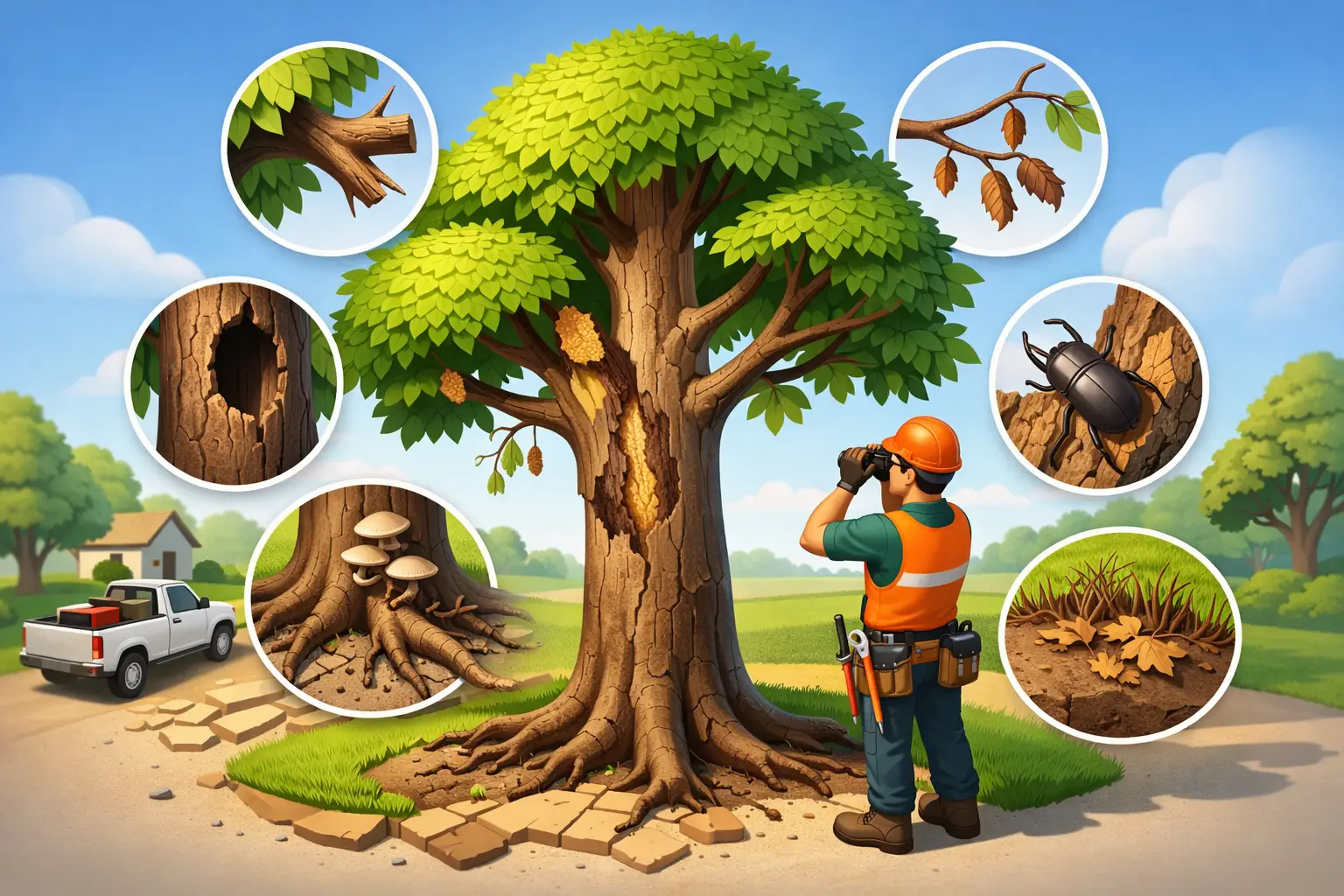
That is why professional tree work tends to start with assessment rather than action. A skilled team looks at the species, age, condition, surrounding structures and the reason for the job. Sometimes the right answer is pruning. Sometimes it is crown reduction, deadwood removal or dismantling in sections. Sometimes the safest and most sensible option is full removal.
For homeowners, that means peace of mind. For estates, landlords and commercial sites, it means work that is properly planned, safely carried out and completed with minimal disruption.
What a tree surgeon in Fife should actually help with
Tree surgery covers far more than many people expect. Routine pruning is a common request, especially where trees have become overgrown, are blocking light or are starting to encroach on buildings, roads or footpaths. Hedge cutting, stump grinding and crown lifting are also regular jobs across domestic and commercial properties.
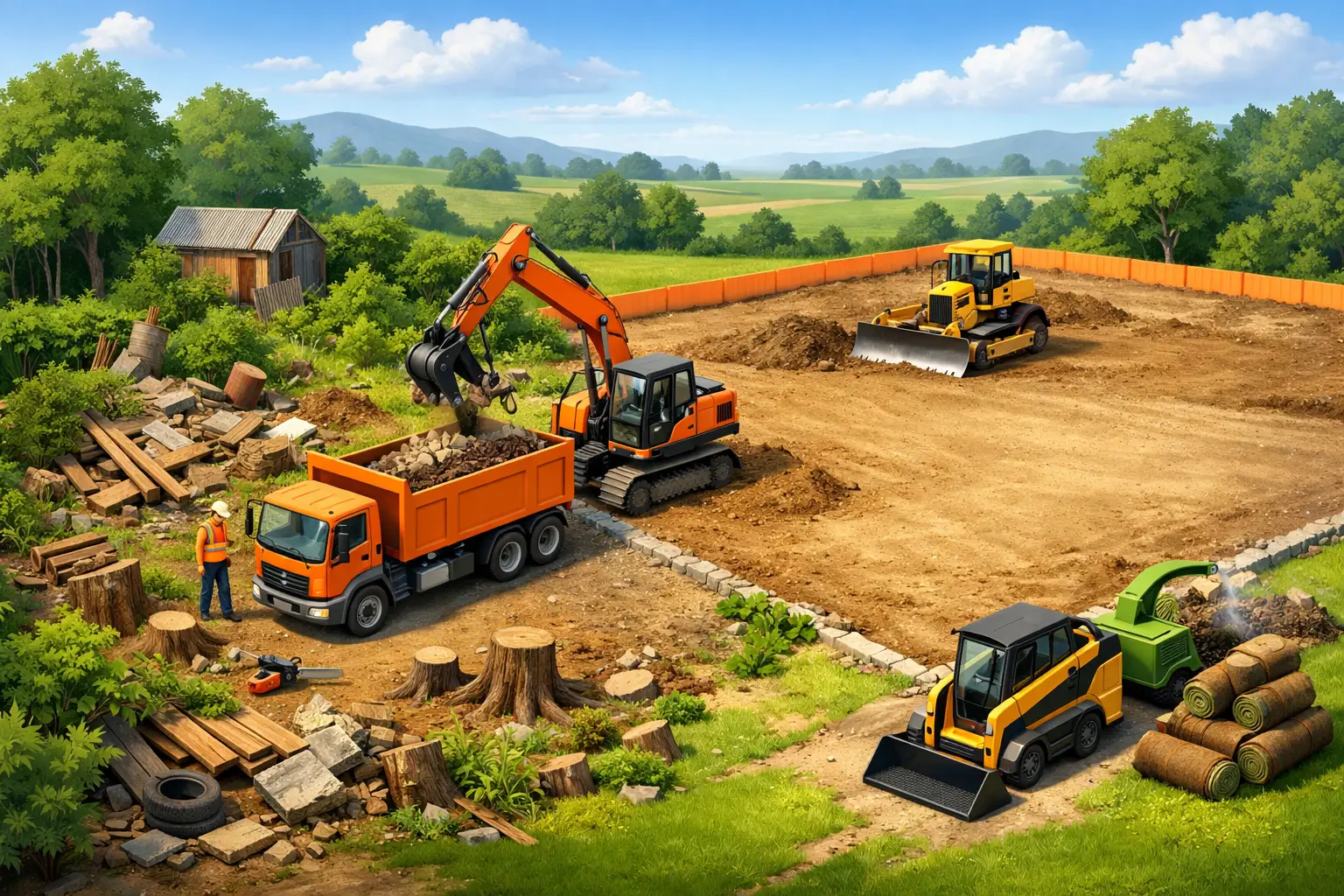
Then there is the more technical side. Storm-damaged trees, split limbs, unsafe stems, awkward dismantles over sheds or conservatories, and site clearance for development all need experience, specialist equipment and a methodical approach. In those cases, hiring a qualified tree surgeon is not a luxury. It is the only sensible option.
A reliable contractor should also be able to advise on tree surveys, planting and ongoing maintenance. Not every tree needs major intervention. Sometimes a lighter touch at the right time prevents a larger and more expensive issue later on.
When to call a tree surgeon Fife residents often need
Some tree problems are obvious. Others build slowly and get missed because they change gradually over time. If branches are dead, cracked or hanging, the need for professional attention is immediate. The same applies after heavy wind, snow loading or sudden movement in the root plate.
Less urgent signs still matter. A tree may be growing too close to the house, shading out a garden, scraping against walls or dropping large limbs more often than it should. Hedges can become difficult to manage safely from ground level. Stumps left behind after old removals can also become a nuisance, whether they are in the way of landscaping, attracting regrowth or creating trip hazards.
Commercial clients often call for different reasons. They may need site clearance before works begin, regular maintenance around access routes, or specialist help where trees affect customer safety, parking areas or occupied buildings. In those settings, reliability and tidy working are just as important as technical skill.
Safety is not a slogan
Tree work can look straightforward from the ground. In reality, it is one of those trades where experience shows very quickly. Working at height with saws, rigging equipment and heavy timber demands training, planning and proper control of the site.
A professional team should think beyond the cut itself. They should consider public access, vehicles, nearby structures, overhead services, ground conditions and how arisings will be handled. On awkward jobs, specialist access equipment such as a cherry picker can make work safer and more efficient, particularly where climbing is not the best option or space is tight.
This matters for customers because the real standard of a contractor is often seen in the parts of the job you do not immediately notice – setting up correctly, protecting the area, communicating clearly and leaving the site clean once the work is complete.
Cheap quotes can cost more
Most customers want fair pricing. That is reasonable. But with tree work, the lowest quote is not always the best value. A cheaper price can reflect shortcuts in labour, equipment, clean-up or the quality of the pruning itself.
If a tree is reduced too harshly, it may respond with weak regrowth. If a removal is rushed, lawns, fences and surrounding surfaces can be damaged. If waste is not properly dealt with, the customer is left with the mess. A job that looked like a saving can then become a second bill.
Good contractors are usually clear about what is included. That means the scope of work, whether waste is removed, how access will be managed and what the finished result should look like. Honest advice is part of the service as well. If a tree can be retained safely with sensible pruning, that should be said. If it cannot, that should be explained just as clearly.
Local knowledge makes a difference
There is real value in using a contractor who knows the area well. Tree conditions vary across Fife, from established residential streets and mature gardens to rural properties, estates and development sites. Access can be tight in one job and wide open in the next. Coastal weather and seasonal storms can also change priorities quickly.
A local team is more likely to understand the practical realities of getting work done efficiently in the area. It also tends to mean a more responsive service when urgent work is needed. If a branch has come down overnight or a tree has become unsafe after bad weather, speed matters.
That local, accountable approach is a big part of why many customers choose HL Tree Services. They want a team that turns up when promised, gives straight advice and carries out the work to a high standard without fuss.
Domestic and commercial jobs need different handling
Not every tree job is the same, and the right contractor should be comfortable working across both domestic and commercial settings. For homeowners, the focus is often on safety, appearance and keeping the garden usable. People want reassurance, tidy work and clear explanations without jargon.
Commercial and estate clients usually have broader concerns. They may need work planned around operations, safe access maintained for the public, or larger-scale clearance completed to programme. They may also need confidence that the contractor can handle more complex jobs involving machinery, trafficable areas or high-risk trees near buildings.
The best arboricultural teams can do both. They know when a job needs careful, low-impact work in a back garden and when it needs specialist equipment, larger crews and a more formal site plan.
What to expect from a good service
A professional experience usually feels straightforward from the start. You make contact, explain the issue and get a clear response. A site visit should focus on what the tree is doing, what risks or constraints are present, and what outcome you actually want.
From there, the advice should be practical. If pruning will solve the issue, that should be recommended. If a tree is beyond recovery or unsuitable for its position, removal may be the sensible route. If a stump is stopping landscaping or inviting regrowth, grinding should be part of the discussion. The aim is not to sell the biggest job. It is to recommend the right one.
On the day of the work, customers should expect a team that is organised, respectful of the property and serious about clean-up. That last part matters. Tree work is naturally messy while it is happening, but it should not still look that way after the team has left.
Choosing the right tree surgeon in Fife
If you are comparing contractors, look for clear communication, visible experience and a service that feels properly grounded in safety and workmanship. Ask how the job will be done, what equipment may be needed and what will happen to the waste. If the work is awkward or high-risk, make sure the contractor is comfortable talking through the method rather than brushing past it.
It also helps to pay attention to how advice is given. Good tree surgeons do not push one answer for every job. They explain options, trade-offs and likely outcomes. A mature tree may be worth retaining with careful management. Another may be causing ongoing risk and cost in the wrong location. It depends on the species, condition and setting.
That balance of honesty, technical judgement and tidy execution is what most customers are really looking for. Not drama, not sales talk – just a capable local team that knows what it is doing.
Trees add character, privacy and value to a property, but only when they are managed properly. If something looks unsafe, overgrown or simply beyond what can be handled from a ladder and a pair of secateurs, getting the right advice early usually makes the next step simpler.