A branch hanging over a drive, rubbing on a roofline, or split after high winds can go from nuisance to hazard very quickly. Safe branch removal methods matter because the wrong cut, the wrong tool, or the wrong approach can damage the tree, your property, or worse, cause a serious injury.
For many people, the question is not whether a branch needs to come off, but how to do it without creating a bigger problem. That depends on the branch size, its position in the crown, the condition of the tree, and what sits underneath it. A low, lightweight limb in open space is one thing. A heavy branch over a greenhouse, public path, conservatory or parked vehicle is another entirely.
Why safe branch removal methods matter
Branch removal is often treated as basic garden work, but proper tree pruning is skilled work. Trees carry weight in ways that are not always obvious from the ground. A branch can look stable and still be cracked, tension-loaded or partially decayed. Once a cut starts, the limb can twist, drop early, or tear down the bark into the main stem.
That is where problems start. Poor cuts can leave large wounds, invite disease, weaken future growth, and spoil the shape and balance of the tree. On the safety side, falls from ladders, chainsaw injuries, and struck-by accidents are all common risks when people try to manage awkward limbs without the right training or equipment.
Done well, branch removal improves clearance, reduces strain, removes deadwood, and helps keep a tree healthy and manageable. Done badly, it can shorten the life of the tree and put people at risk.
Safe branch removal methods for different situations
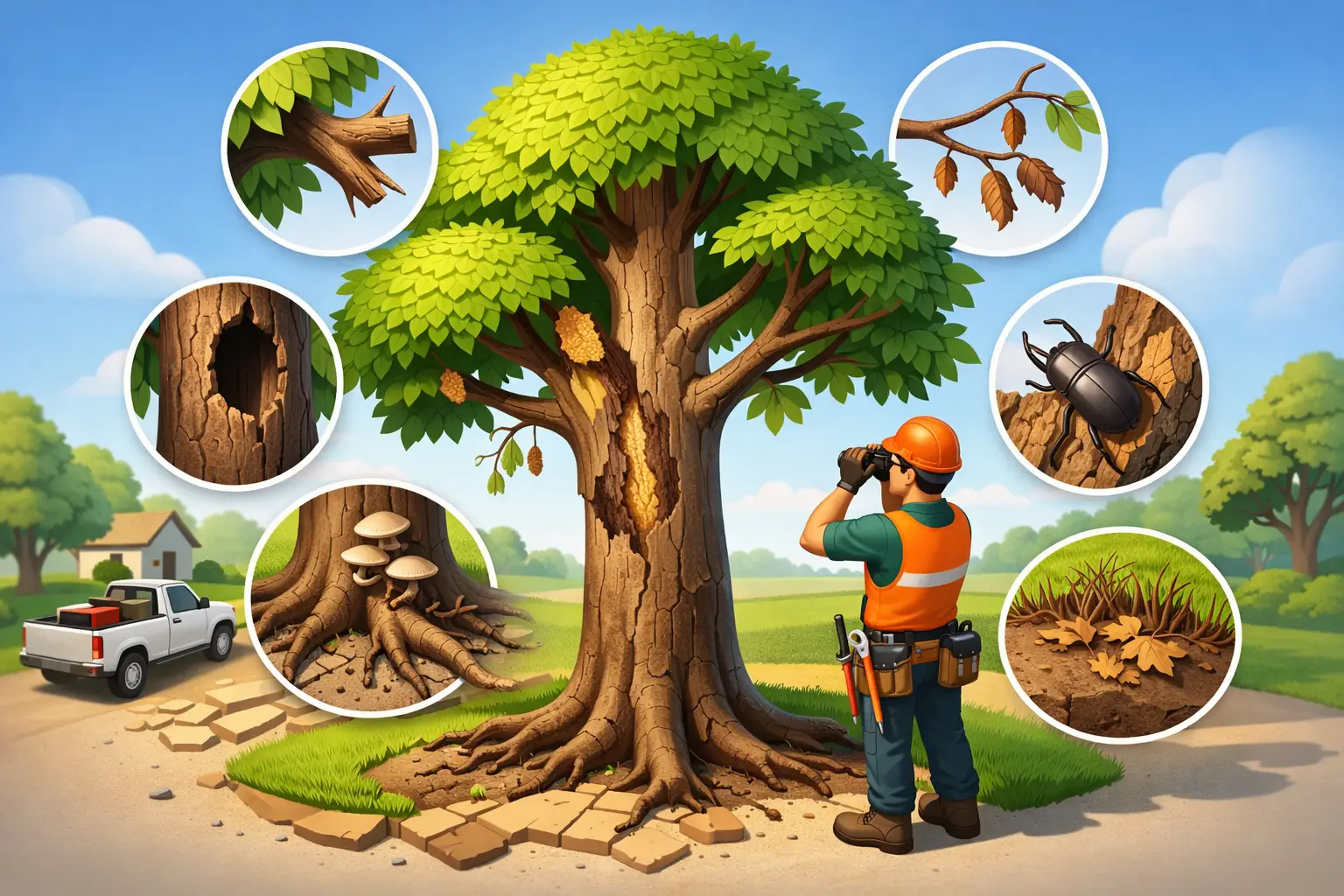
The safest method always starts with assessment, not cutting. Before anything comes off, look at the branch from several angles. Check whether it is dead, cracked, rubbing, storm-damaged or simply overextended. Notice its size in relation to the rest of the crown and whether it overhangs anything valuable or heavily used.
Small branches from ground level
Where branches are small, reachable from the ground, and clear of obstacles, hand tools are usually the best option. Sharp secateurs or a pruning saw give far more control than powered tools for lighter work. Clean cuts are easier on the tree and safer for the person doing the job.
The cut should be made just outside the branch collar, which is the slightly swollen area where the branch joins the trunk or parent limb. Cutting flush to the stem removes natural protective tissue. Leaving a long stub is not right either, as stubs die back and can become entry points for decay.
Larger limbs and the three-cut method
For heavier branches, one clean pass is rarely the safe choice. The branch weight can pull the bark down as it falls, tearing a strip from the tree. This is why arborists use the three-cut method.
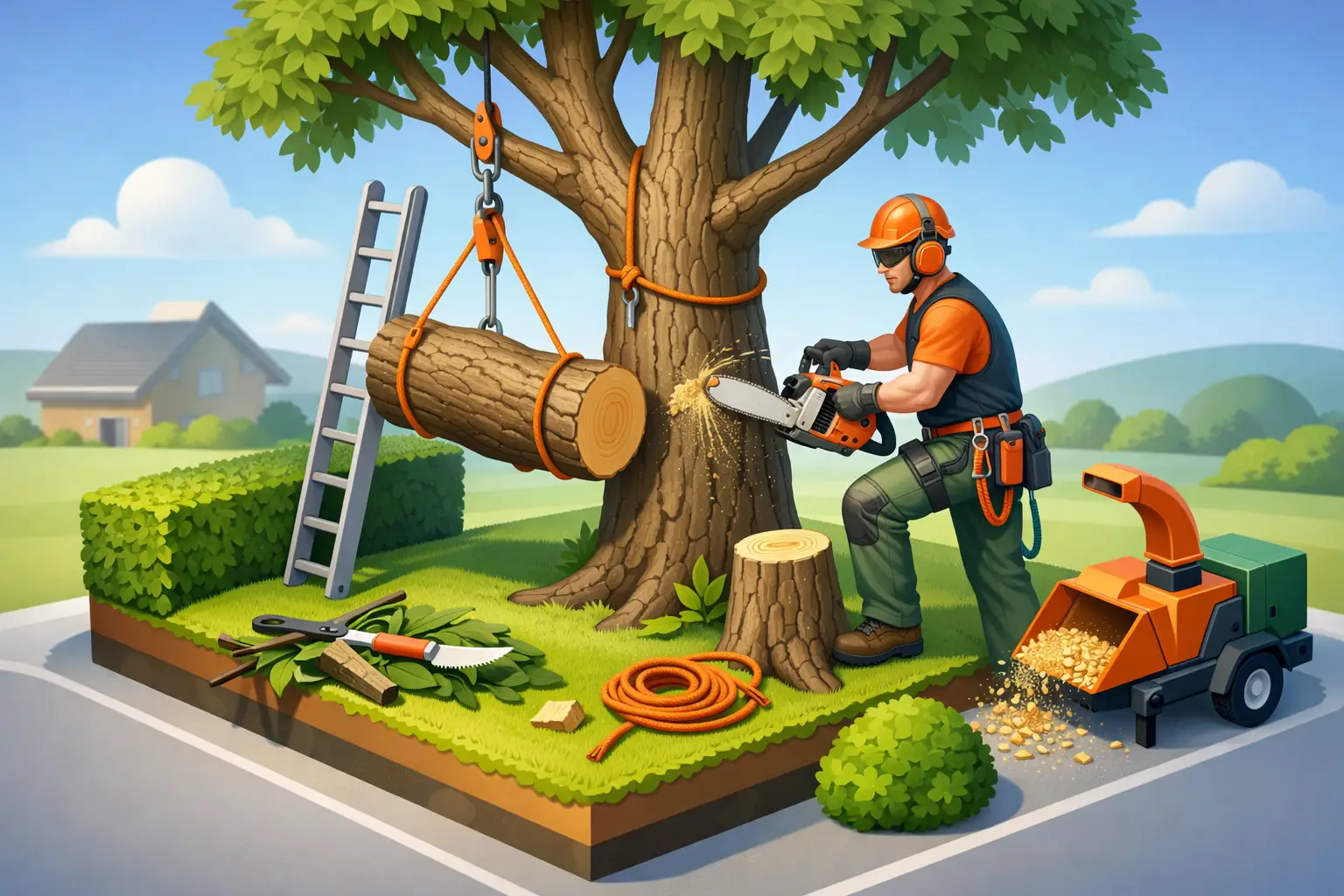
The first cut is a small undercut a short distance away from the trunk. The second cut is made from above, slightly further out, to remove the main weight of the branch. The final cut removes the remaining stub at the correct point near the collar. This method controls the break, protects the stem, and greatly reduces tearing.
It sounds simple, but size and angle matter. On heavier limbs, rigging or sectional dismantling may still be needed to lower pieces safely rather than letting them fall.
Overhanging, high or awkward branches
This is where safe branch removal methods move well beyond ordinary DIY. Branches above buildings, roads, fences, sheds, greenhouses, or neighbouring gardens need careful planning. The same applies to branches entangled with other limbs, hanging after storm damage, or growing at height where ladder work becomes unstable.
A ladder is not a safe working platform for chainsaw use or for handling large limbs. Even with hand tools, balance changes quickly once a cut opens and the branch shifts. Professional arborists use climbing systems, lowering ropes, rigging equipment, and where needed, access machinery such as a cherry picker to manage these jobs in a controlled way.
That control matters. Instead of dropping a branch and hoping for the best, sections are cut and lowered precisely into a safe landing area.
What to avoid when removing branches
A lot of preventable damage comes from a few common mistakes. Topping and random lopping are two of the worst. Removing large parts of the canopy without regard to structure can stress the tree badly and often triggers weak regrowth. It may look tidier for a short while, but it usually creates more management issues later.
Another mistake is cutting too much at once. Mature trees in particular do not respond well to excessive pruning in a single visit. As a rule, it is better to make measured improvements than to strip out large sections of the crown unless there is a clear arboricultural reason.
People also underestimate timber weight. Fresh wood is heavy, and even a branch that seems manageable from the ground can become dangerous once it starts moving. Add wind, rain, or poor footing and the margin for error shrinks fast.
Timing matters more than many people think
Not every branch should be removed the moment it becomes inconvenient. Tree species, nesting season, disease pressure, and the purpose of pruning all affect the best timing.
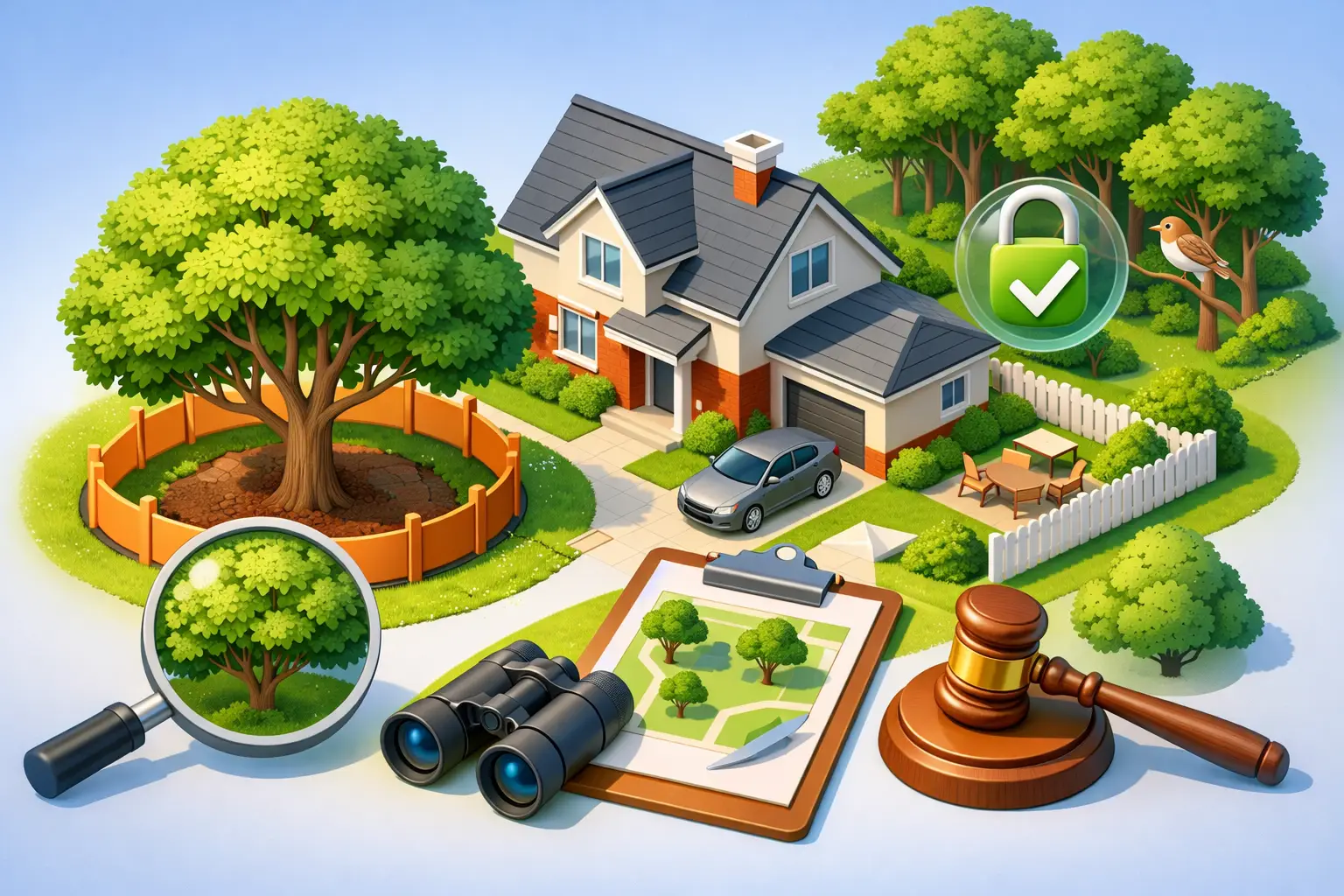
Dead, broken or hazardous branches often need prompt attention, particularly after strong winds. Structural pruning on healthy trees is more nuanced. Some species respond better during dormancy, while others are best pruned in mid to late summer to reduce bleeding or disease risk. If a tree is protected by a Tree Preservation Order or sits within a conservation area, consent may be required before work starts.
That legal side is easy to miss. If there is any doubt, it is worth checking before a saw goes anywhere near the tree.
Tree health should guide the cut
Branch removal is not just about getting clearance. It should support the long-term condition of the tree. A good pruning cut respects the natural form, maintains balance, and avoids removing growth that the tree needs for recovery and energy production.
For example, taking one heavy limb off one side of a mature tree can alter weight distribution and wind loading. Removing a rubbing branch may be sensible, but if both limbs are significant, the decision on which one to take off should consider structure, species and future growth. There is rarely a one-size-fits-all answer.
This is why experienced advice matters, especially for older trees, prominent trees, and trees close to buildings. The safest immediate choice is not always the best long-term one unless both risk and tree health are considered together.
When to call in a professional
There is a clear point where branch removal stops being routine maintenance and becomes specialist work. If the branch is above head height, near a structure, close to power lines, unusually heavy, storm-damaged, or part of a large mature tree, it should be assessed professionally.
The same applies if the tree shows signs of decay, fungal growth, major splits, root movement, or a history of branch failure. These are not jobs for guesswork. A trained tree surgeon can judge whether the branch can be removed safely, whether weight should be reduced gradually, or whether the wider tree needs more extensive management.
For homeowners and site managers across Fife and the surrounding area, that professional approach usually saves time, prevents property damage, and keeps the site tidy as well as safe. It also means the waste is dealt with properly and the finished result looks as it should.
What good branch removal looks like
Good work is easy to recognise once you know what to look for. The cuts are clean and properly placed. The tree keeps a natural shape. There are no torn wounds, no ragged stubs, and no unnecessary removal. The area below is protected during the work, and everything is cleared properly afterwards.
Just as important, the job is planned before it starts. That includes checking access, identifying drop zones, choosing the right equipment, and deciding whether pieces need to be lowered in a controlled way. On more complex jobs, the safety planning is every bit as important as the pruning itself.
HL Tree Services approaches branch removal in exactly that way – with the right equipment, proper control, and a clear focus on safety, tree health and leaving the site clean.
If a branch is causing concern, the safest next step is not to wait for it to fail or to tackle it with whatever tools are in the shed. A careful assessment and the right method will protect the tree, the property around it, and everyone using the space beneath it.