If you are looking at a tree on your land and asking, do I need a tree survey, there is usually a reason. You might be planning an extension, buying a property, managing a site, or dealing with a tree that suddenly looks unsafe. In most cases, a tree survey is not about paperwork for the sake of it. It is about getting clear, professional advice before a small issue turns into a delay, a dispute, or a safety problem.
When do I need a tree survey?
The short answer is that you need a tree survey when trees could affect a decision you are about to make. That might be a building project, a land purchase, ongoing estate management, or safety concerns around public areas, driveways, gardens, and buildings.
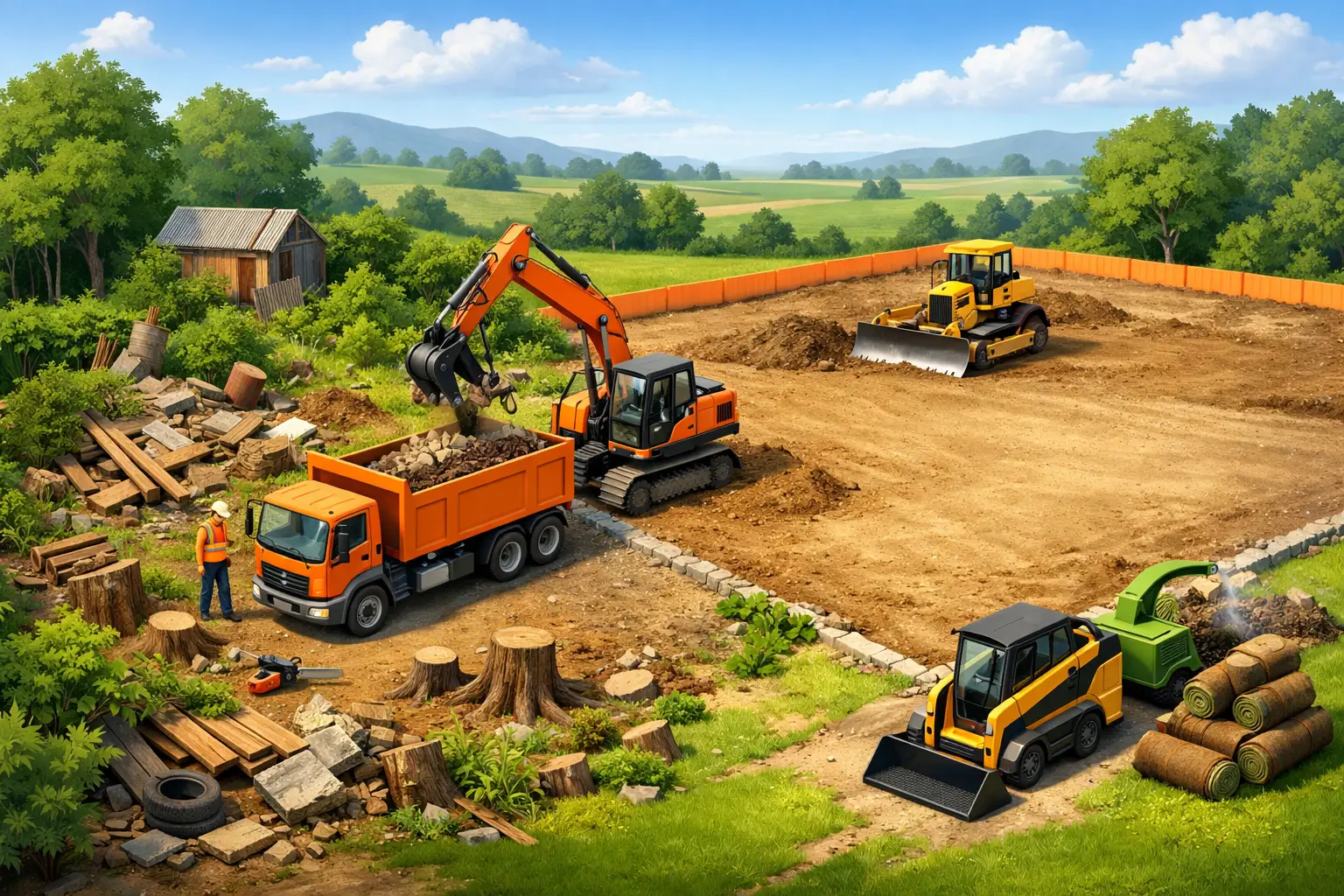
For homeowners, the most common trigger is planned work near existing trees. If you are adding an extension, building a garden room, widening a driveway, or changing ground levels, nearby trees can become a planning issue very quickly. Roots, canopy spread, future growth and legal protection all need to be understood before work starts. Guesswork here can be expensive.
For developers, landlords, commercial site managers and rural estates, the need is often broader. A survey helps identify which trees should be retained, which may need management, and which could create risks or constraints. It also gives you something practical to work from when discussing plans with planners, contractors, or other professionals.
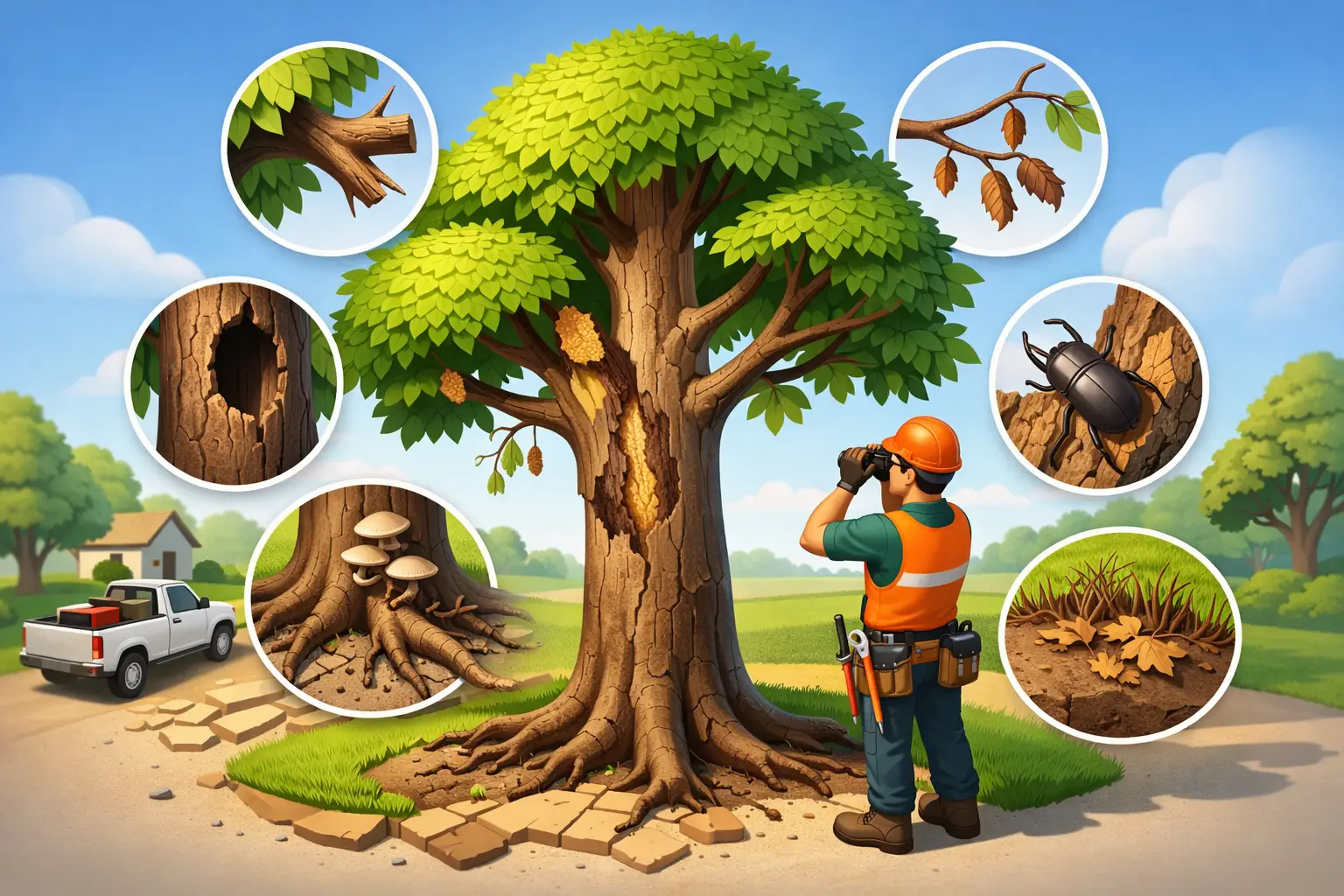
Then there is the safety side. If a tree has storm damage, visible decay, deadwood, a lean that appears to be worsening, or branches overhanging roads, footpaths, car parks or neighbouring property, a survey can help establish condition and risk. That matters not just for peace of mind, but for responsible property management.
What a tree survey actually tells you
A proper tree survey is not just someone turning up, glancing at a few branches and saying everything looks fine. It is a structured assessment carried out by a qualified arboricultural professional.
The level of detail depends on why the survey is being done, but it will usually record the tree species, height, stem diameter, crown spread, approximate age, condition, life expectancy and any visible defects. It may also note site features, neighbouring structures, proposed development areas and the likely effect of construction on the trees.
If the survey is for planning or development, the report often follows recognised standards and includes categories showing the quality and value of each tree. It can also identify root protection areas and recommend how retained trees should be protected during works.
If the survey is more about safety or management, the focus may be on structural condition, likely failure points and recommended remedial work. That could mean pruning, crown reduction, deadwood removal, bracing, monitoring, or in some cases removal if the tree is no longer safe to retain.
The benefit is simple. You stop relying on assumptions and start making decisions based on evidence.
Do I need a tree survey for planning permission?
Often, yes.
If there are trees on or near a proposed development site, your local planning authority may ask for an arboricultural survey or report as part of a planning application. This is especially common where mature trees contribute to the character of the plot, where work is proposed close to root zones, or where protected trees are involved.
Even if the council has not yet asked for one, getting a survey early can save time. It can show whether your initial design is likely to cause problems and whether changes are needed before plans are submitted. That is far easier than redesigning a scheme after objections or requests for further information.
This is particularly relevant across established residential areas and older sites where mature trees are part of the setting. In places across Fife, Dundee and Perthshire, trees can be a genuine planning consideration rather than an afterthought.
Situations where a survey is strongly recommended
There are some cases where a tree survey moves from being helpful to being the sensible thing to do.
If you are buying a property with large or mature trees, a survey can flag issues that are easy to miss in a standard viewing. Surface roots, cavity formation, weak unions, old pruning wounds and signs of decline do not always stand out to the untrained eye. It is better to know what you are taking on.
If you manage a commercial site, rental property, school grounds, hotel grounds or shared open space, regular surveys can form part of your duty of care. Trees are valuable assets, but they still need inspection and maintenance. Waiting until there is storm damage or a complaint is rarely the best approach.
If a tree is close to a house, garage, retaining wall or boundary and there are concerns about movement, cracking, shading or general condition, a survey can help separate real risk from unnecessary worry. Trees are often blamed for building problems without proper evidence. Sometimes they are a factor. Sometimes they are not.
When you might not need a full tree survey
Not every tree-related job needs a formal report.
If you simply want routine pruning on a healthy garden tree, or a hedge cut back and maintained, a site visit from a qualified tree surgeon may be enough. The same applies if you already know a small ornamental tree needs removed and there are no planning or safety complications.
The key question is whether the tree affects something bigger. If there is no development, no legal restriction, no public safety concern and no sign of structural problems, a full survey may be more than you need. Honest advice matters here. A good contractor should tell you when a simpler inspection will do the job.
Protected trees change the picture
One of the biggest reasons people ask do I need a tree survey is because they are unsure whether a tree is protected.
If a tree is covered by a Tree Preservation Order or sits within a conservation area, you usually cannot carry out work without the correct consent or notification. A survey can help establish what is there, what condition the tree is in, and what work may be justified.
This matters because protected trees are not always the obvious ones. A mature beech at the front of a property might be protected, but so might a group of mixed trees at the edge of a site. Starting work first and asking questions later can lead to delays, enforcement issues and avoidable cost.
Why early advice usually saves money
People sometimes put off a survey because they see it as an extra expense. In reality, it is often the cheaper option.
A survey can prevent failed planning submissions, avoid unnecessary tree removal, reduce design changes late in the process and highlight maintenance before it becomes urgent. It can also help you prioritise work properly. Not every defect needs immediate action, and not every large tree is dangerous. Good advice helps you spend money where it is actually needed.
That is especially useful after storms or during property improvements, when there is a temptation to rush into work. Trees are living structures. Some faults are serious. Some look dramatic but are manageable. A professional assessment gives you a clearer basis for action.
Choosing the right kind of tree advice
Not all surveys are the same, and not all tree issues need the same level of reporting. That is why the first conversation matters.
If you are dealing with a planning application, you may need an arboricultural survey that meets recognised planning standards. If you are worried about safety, you may need a condition and risk inspection. If you are managing a larger estate or commercial site, you may need a programme of regular inspections rather than a one-off report.
What matters most is getting advice that matches the job in front of you. Clear recommendations, practical next steps and a realistic view of the tree’s condition are far more useful than overcomplicated wording.
For local property owners, that usually means working with a team that understands both tree work and the practical demands around homes, access, neighbouring boundaries and active sites. HL Tree Services sees this regularly – people do not always need more paperwork, but they do need the right information at the right time.
So, do I need a tree survey?
If a tree could affect safety, planning, building work, legal compliance or the long-term management of your property, the answer is probably yes. If the issue is straightforward routine maintenance, perhaps not. The difference comes down to risk, responsibility and how much depends on getting the decision right.
When in doubt, it is worth asking before any work begins. A good survey does not complicate matters. It gives you a clear path forward, whether that means protecting a valuable tree, carrying out sensible maintenance, or moving ahead with confidence.