A large tree leaning over a conservatory, garage, roadway or power line changes the job completely. In situations like that, cherry picker tree work can be the safest and most practical way to carry out pruning, dismantling or storm damage clearance without taking unnecessary risks.
For many customers, the first question is simple: why use a machine at all when tree surgeons can climb? The honest answer is that it depends on the tree, the location and the condition of the work area. Climbing remains the right approach for plenty of jobs, but there are cases where a cherry picker gives better access, better control and a safer working position from start to finish.
What cherry picker tree work is used for
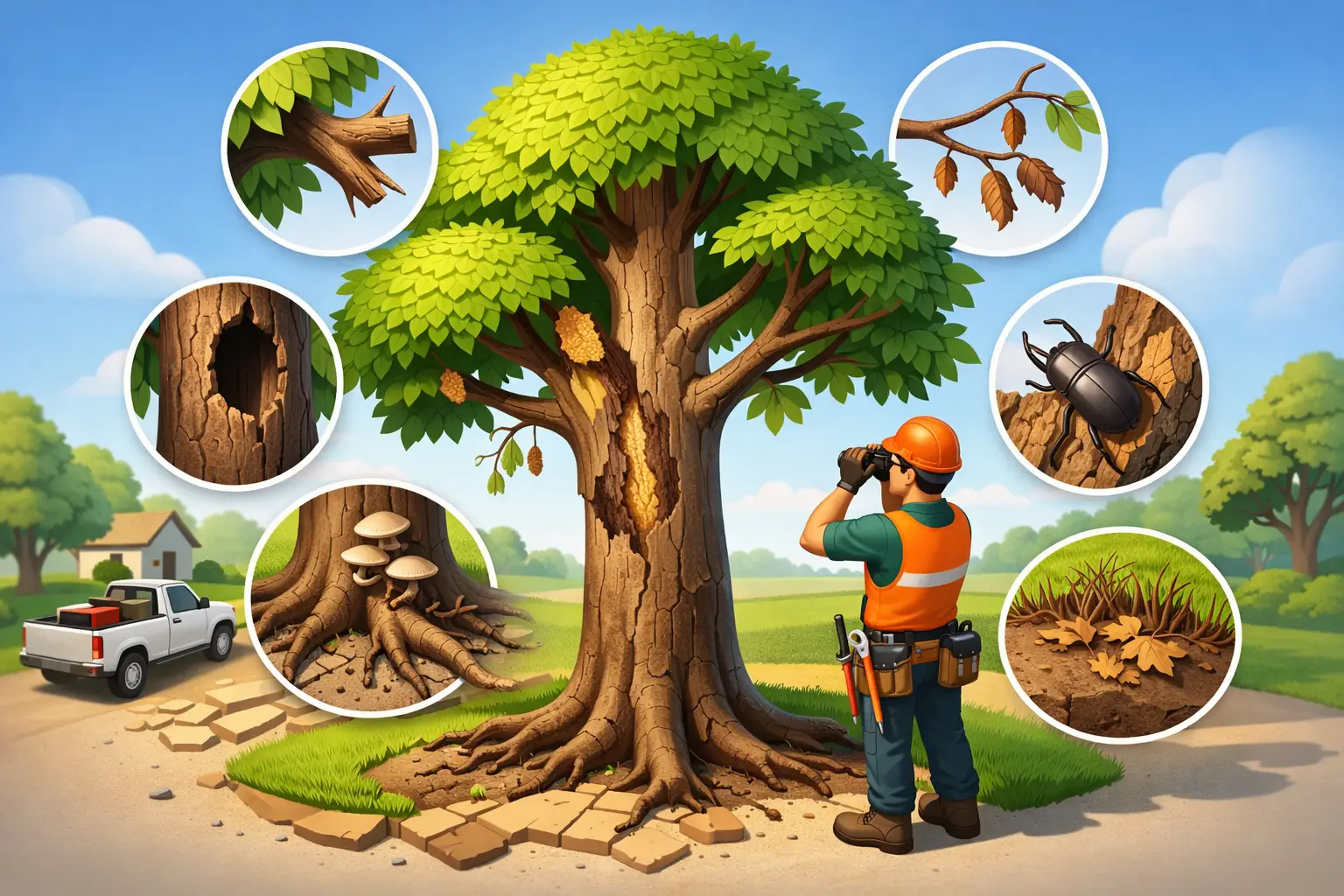
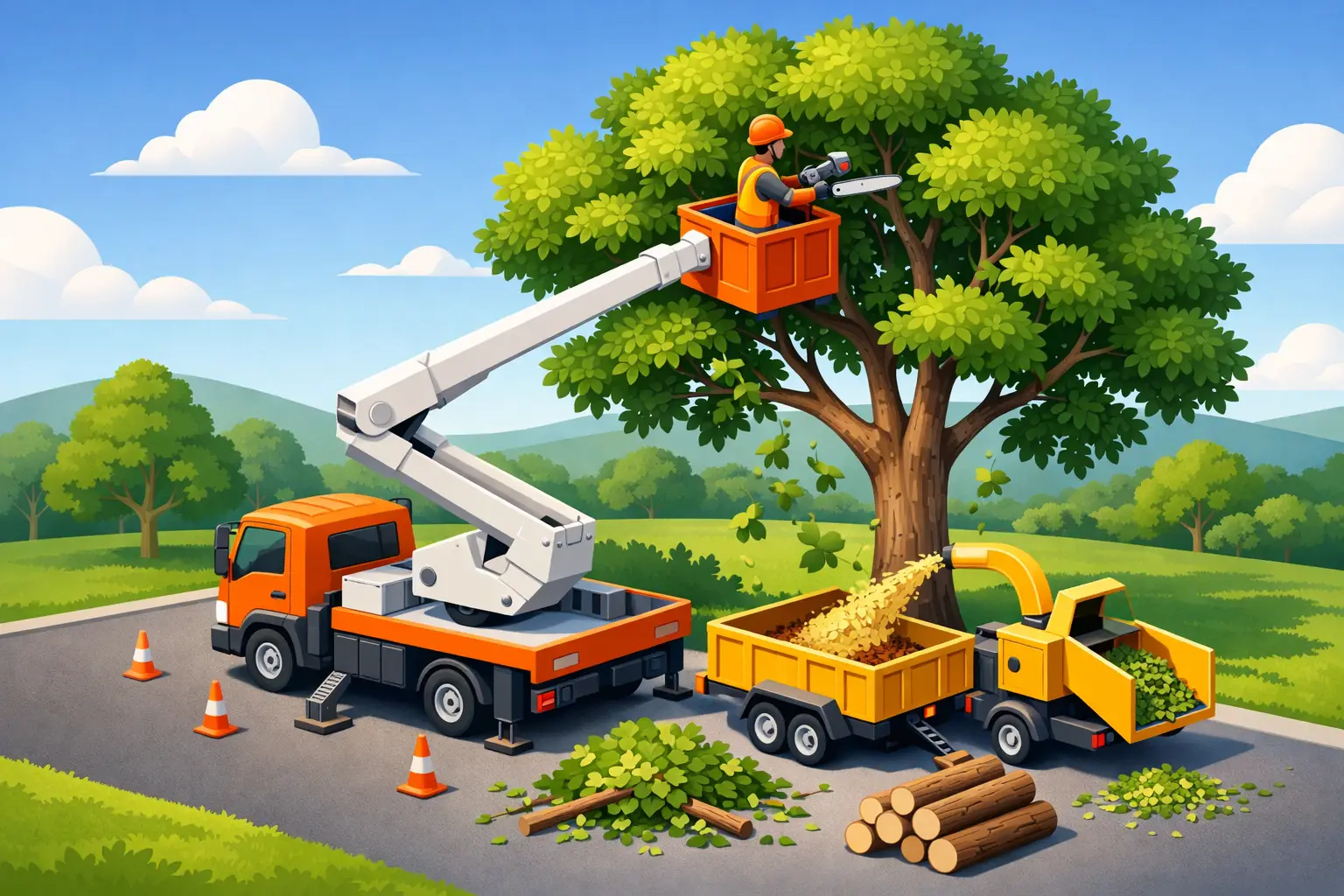
A cherry picker, also known as a mobile elevated work platform, allows trained operators to reach difficult parts of a tree from a secure platform. In tree work, that matters most where branches are spread over buildings, roads, fences, greenhouses or other sensitive areas. It can also be especially useful where the tree is damaged, unstable or unsafe to climb.
This does not mean a cherry picker is the answer to every job. Good arboriculture is about choosing the right method, not the most dramatic one. Some trees are easier and faster to climb. Others are in spots where machinery cannot gain access without causing damage to lawns, paving or surrounding landscaping. A professional assessment should always come first.
When a cherry picker is the better option
The clearest advantage of cherry picker tree work is controlled access. If a tree has suffered storm damage, has major deadwood in the upper crown, or is structurally compromised, sending a climber directly into it may not be the safest choice. A platform can let the team work from outside the hazardous section rather than relying on the tree itself for support.
This is also valuable when carrying out sectional dismantling above buildings or busy spaces. Where branches need to be removed carefully in smaller pieces, stable elevated access often improves precision. It allows the operator to make cuts from a strong position and coordinate safely with the ground crew below.
Height alone is not the deciding factor. A tall tree in open ground may still be straightforward to climb. A smaller tree boxed in by extensions, sheds, parked vehicles and neighbouring boundaries can be far more awkward. The shape of the site often matters just as much as the size of the tree.
Cherry picker tree work for storm-damaged trees
After high winds, heavy snow or prolonged bad weather, trees can become unpredictable. Splits in the main stem, hanging limbs and partially failed crowns all create serious risk. In those situations, speed matters, but so does judgement.
Cherry picker tree work is often a strong option for emergency response because it can help a team access broken or suspended material without forcing a climber onto weakened timber. If a branch is hung up over a road, driveway or roof, a platform can give safer positioning for careful dismantling and removal.
That said, emergency tree work is never one-size-fits-all. Ground conditions after bad weather may be soft or unstable, and that can affect whether machinery can be used safely. A responsible contractor will assess both the tree and the site before deciding how to proceed.
Safety matters more than speed
Customers sometimes assume a cherry picker is mainly about getting the job done faster. It can improve efficiency, but safety is the real reason it matters. Tree work at height is hazardous by nature, and the safest method is the one that best fits the tree’s condition, the available access and the surrounding environment.
A properly planned job includes more than the machine itself. It means trained operators, pre-use checks, exclusion zones, rescue planning, safe cutting techniques and clear coordination between the platform and ground team. It also means knowing when not to use the machine. That kind of judgement is what separates a professional service from a rushed one.
For homeowners and site managers, this is where experience counts. The right contractor will explain why a cherry picker is being used and what benefit it brings to your specific job, rather than treating it as a sales point.
Access is often the deciding factor in cherry picker tree work
One of the biggest practical limits with cherry picker tree work is site access. A machine needs suitable entry width, stable ground and enough room to operate safely. Narrow gates, steep gardens, soft lawns, retaining walls and overhead obstructions can all affect whether it is a realistic option.
On residential properties, this comes up regularly. A tree may be in the back garden, but if access is only through a tight side path or over delicate surfaces, bringing machinery in may not be sensible. In those cases, climbing or a different dismantling approach may be better.
Commercial sites, estates and larger properties often offer more room, which can make machine access easier. Even then, the ground still needs to be assessed properly. Weight loading, underground services and nearby structures all need consideration before any setup begins.
What jobs suit a cherry picker best
The most common jobs where a cherry picker adds real value are crown reduction on large awkward trees, removal of dead or dangerous limbs, sectional dismantling of unstable trees, and emergency clearance following storm damage. It can also be useful for work along roadsides, on development sites and around commercial premises where controlled elevated access improves safety and visibility.
There are also situations where it helps protect the tree. If a specimen is worth retaining but access into the crown is limited or risky, a platform may allow selective pruning without unnecessary damage caused by overreaching or poor positioning.
That is an important point. Good tree care is not simply about getting branches down. It is about carrying out the work cleanly, safely and in a way that supports the long-term condition of the tree where retention is the goal.
The benefits for homeowners and property managers
From a customer point of view, the appeal is straightforward. Cherry picker tree work can reduce risk on difficult jobs, improve access over buildings and boundaries, and help the team work with more control in sensitive areas. That often leads to a tidier process and a more predictable result.
For property managers and commercial clients, it can also support safer planning around public access, staff movement and neighbouring assets. Where a site cannot tolerate unnecessary disruption, a machine-assisted approach may help keep the work contained and professionally managed.
Still, there are trade-offs. Machinery can add cost, and setup takes space. It is not automatically the cheaper route, nor should it be. The value lies in using the correct method for the job, especially where risk is higher or the consequences of a mistake are more serious.
Why experience with specialist equipment matters
A cherry picker is only useful in the hands of a team that understands both the machine and the tree. Arboricultural work is different from general access work because cutting timber at height changes balance, loading and the sequence of the job. Poor planning can create avoidable hazards very quickly.
That is why customers should look for more than a contractor who simply has access to equipment. You need a team that knows how to assess the tree, choose the safest working method, protect surrounding property and leave the site clean when the work is done.
In areas across Fife and nearby towns, mature trees often sit close to homes, boundary walls, roads and parked cars. That local reality makes careful planning essential. The best results come from practical experience, not guesswork.
Choosing the right approach for your tree
If you are considering cherry picker tree work, the most sensible starting point is a site visit. The key questions are whether the tree is safe to climb, whether machine access is possible, what sits around the tree, and what outcome you want. A full removal, a reduction, deadwood removal and emergency make-safe work all require slightly different planning.
A good contractor will talk you through the options in plain terms. If a cherry picker is the right choice, they should be able to explain why. If it is not, they should be equally clear about the better alternative. Honest advice is usually the strongest sign that you are dealing with professionals.
At HL Tree Services, that practical approach matters. The aim is not to use specialist equipment for the sake of it, but to choose the safest, cleanest and most effective method for each job.
When a tree becomes awkward, unstable or too close to the things you need to protect, the right access method can make all the difference – not just to the speed of the work, but to the safety and standard of the result.