A tree does not need to be completely dead before it becomes a problem. In many cases, the real question is when should a tree be removed before it causes damage, becomes unsafe, or declines beyond saving. That decision is not always straightforward, especially when a tree has value for privacy, screening, or the look of a garden, but leaving the wrong tree in place can create a far bigger issue later.
For most property owners, the safest approach is to look at removal as one option among several. A good arborist will not recommend felling a tree simply because it is large, untidy, or shedding branches. Sometimes pruning, crown reduction, cable bracing, monitoring, or soil improvement is enough. Sometimes removal is the responsible choice. The key is understanding the signs and acting before a manageable job turns into an emergency call-out.
When should a tree be removed for safety?
Safety is the clearest reason to remove a tree. If a tree is structurally unsound and stands near a house, road, footpath, parked vehicles, power lines, sheds, or public space, it can no longer be treated as a cosmetic issue. It becomes a genuine hazard.
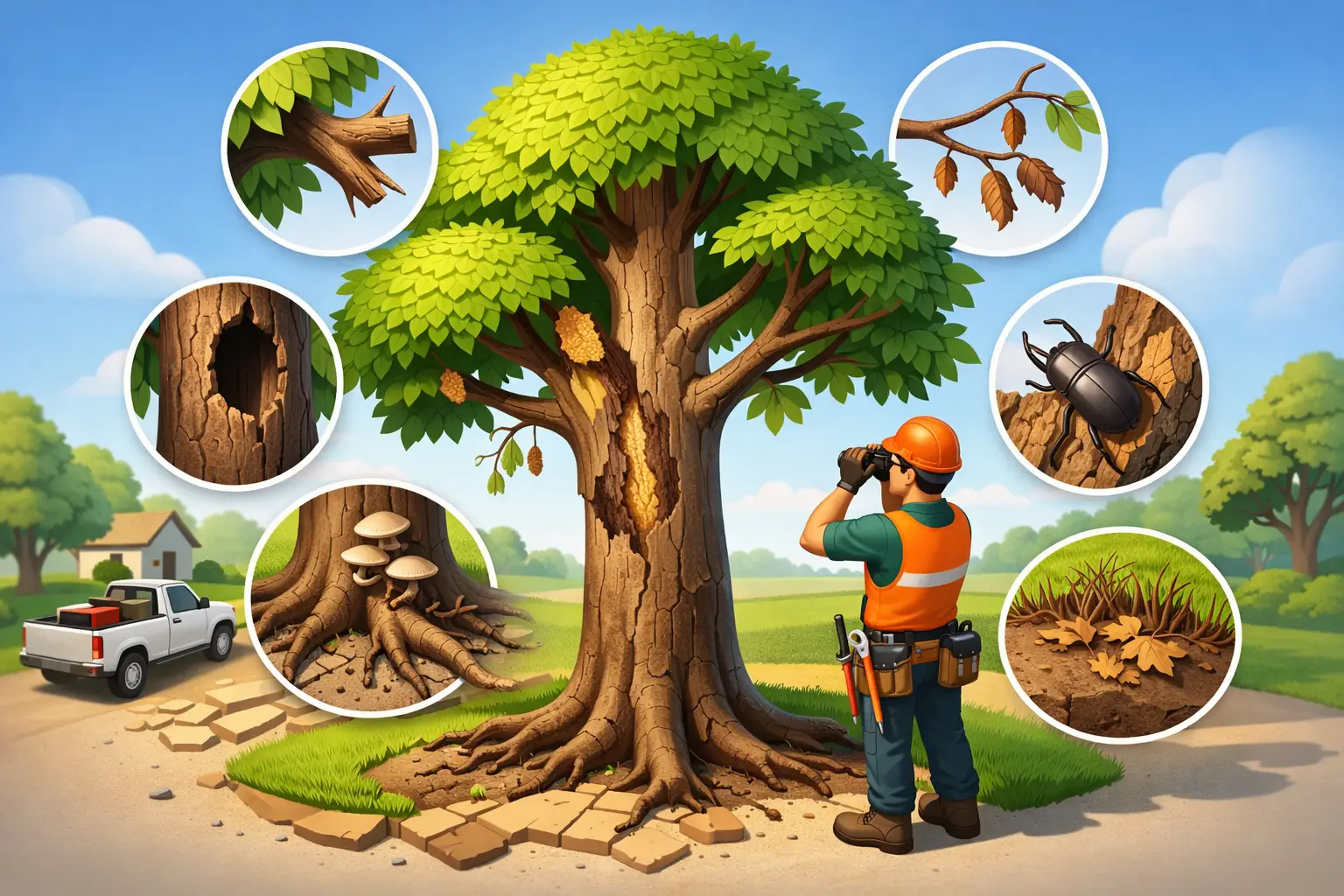
Large dead branches are often the first obvious warning sign. They may drop without much notice, particularly in windy weather. A split main stem, a heavy lean that has developed recently, or visible cracking where major limbs join the trunk can point to failure risk. In some cases, the danger is at ground level rather than in the canopy. If the root plate is lifting, the soil around the base is heaving, or the tree appears to have shifted after a storm, that can indicate instability.
This is where professional assessment matters. Trees can fail for different reasons, and not all defects mean immediate removal. Some can be managed. Others cannot. A mature tree with advanced decay at the base, for example, may still have leaves in full growth while being structurally unsafe underneath. Healthy-looking foliage does not always mean a sound tree.
Signs a tree may need to come down
There is rarely one single sign that answers the question when should a tree be removed. More often, it is a combination of factors.
Decay is one of the biggest concerns. Fungal growth around the base, cavities in the trunk, hollow sections, peeling bark, and soft, crumbling timber can all suggest internal deterioration. Some species tolerate defects better than others, but extensive decay weakens the structure and reduces the margin for bad weather.
Persistent dieback is another red flag. If the upper crown is thinning year after year, large sections fail to leaf, or branches keep dying back despite the right season and conditions, the tree may be under severe stress or in irreversible decline. Disease, root damage, compaction, drought, and age can all play a part.
Poor structure can also make removal the better option. Trees with multiple stems, old pruning wounds, included bark unions, or heavily unbalanced crowns may be more likely to fail, especially if they have grown in a constrained space. That does not always mean they are dangerous today, but it does mean the risk profile is higher.
Then there is location. A tree in the middle of open ground can often remain standing far longer than the same tree overhanging a conservatory, driveway, school boundary, or access route. Risk is not only about condition. It is about what the tree could hit if it fails.
Disease, storm damage, and root problems
Some trees can recover from storm damage. Others cannot. If major limbs have torn out, the crown has been left badly unbalanced, or the trunk has split, removal may be the safest route. Emergency situations are especially common after strong winds or saturated ground, when weakened root systems are put under pressure.
Root problems are easy to miss because most of the damage is hidden below ground. Excavation work, new driveways, trenching, repeated vehicle traffic, and changes in ground level can all harm a tree’s stability and long-term health. A tree may stand for several seasons after root damage before symptoms become visible. By that stage, decline can be advanced.
Disease adds another layer. Some infections are manageable, while others spread quickly or affect structural integrity. A tree with serious disease near healthy specimens may also need to be removed to reduce wider impact, particularly on estates, larger gardens, and commercial sites where one problem can affect several trees.
When removal is better than repeated pruning
There are times when a tree can be kept, but only through regular, costly intervention. That is not always the best long-term answer.
If a tree is outgrowing its position, interfering with buildings, damaging walls, shading gardens excessively, or clashing with service lines, repeated pruning may seem like the simple fix. In reality, constant cutting can place the tree under stress, lead to poor regrowth, and leave you paying for the same issue every few years. Where the tree is clearly unsuitable for the site, removal and replacement with a better species can be the more practical choice.
That is especially true in smaller gardens where a tree planted decades ago has become too large for modern boundaries, extensions, patios, and parking areas. In these cases, the question is not whether the tree is attractive. It is whether it still fits the space safely and sensibly.
Legal and practical points before felling
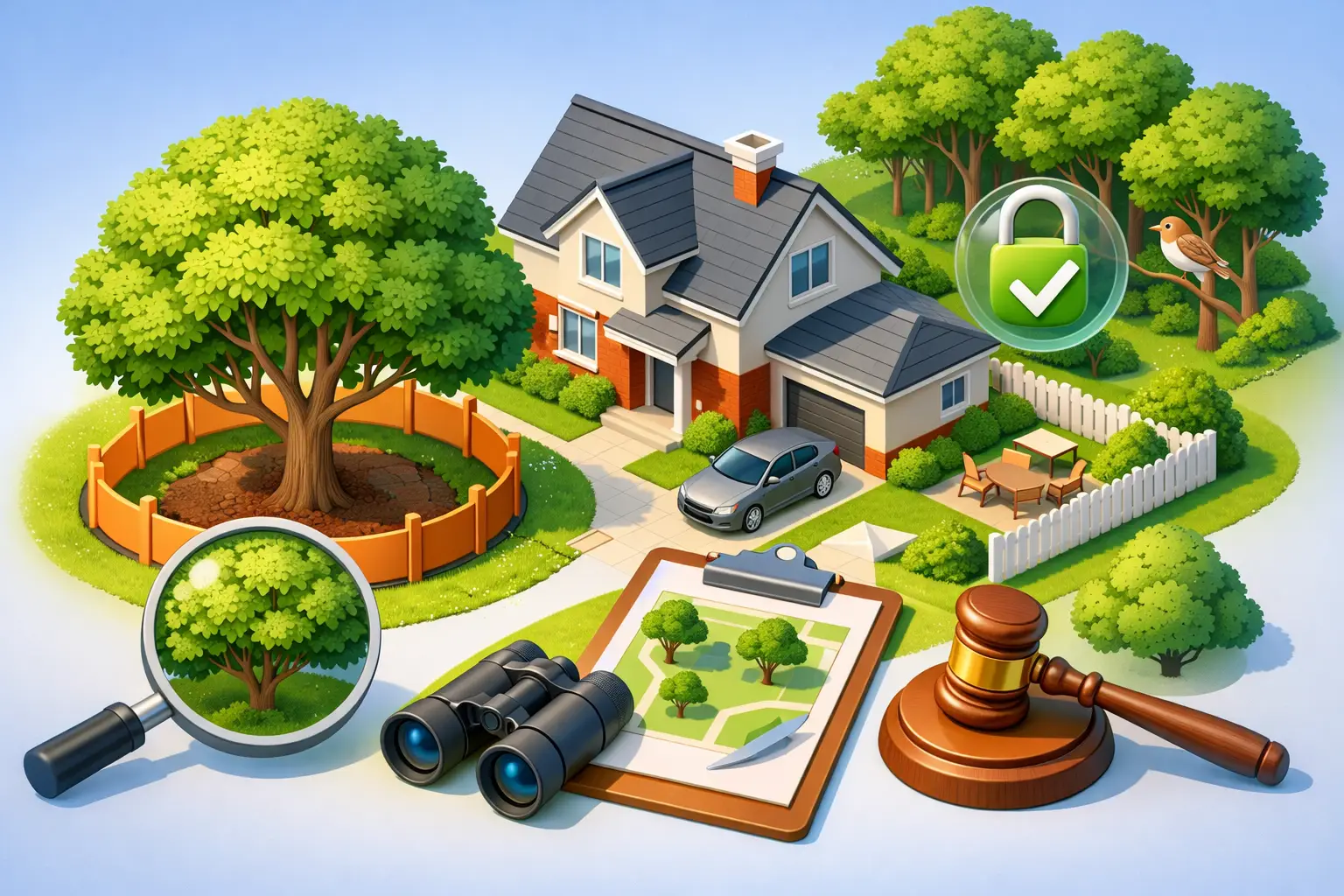
Before any tree is removed, it is worth checking whether it is protected. Trees may be covered by a Tree Preservation Order or stand within a conservation area, and that can affect what work is permitted. If there is any doubt, it is best to clarify this before work begins rather than risk enforcement action afterwards.
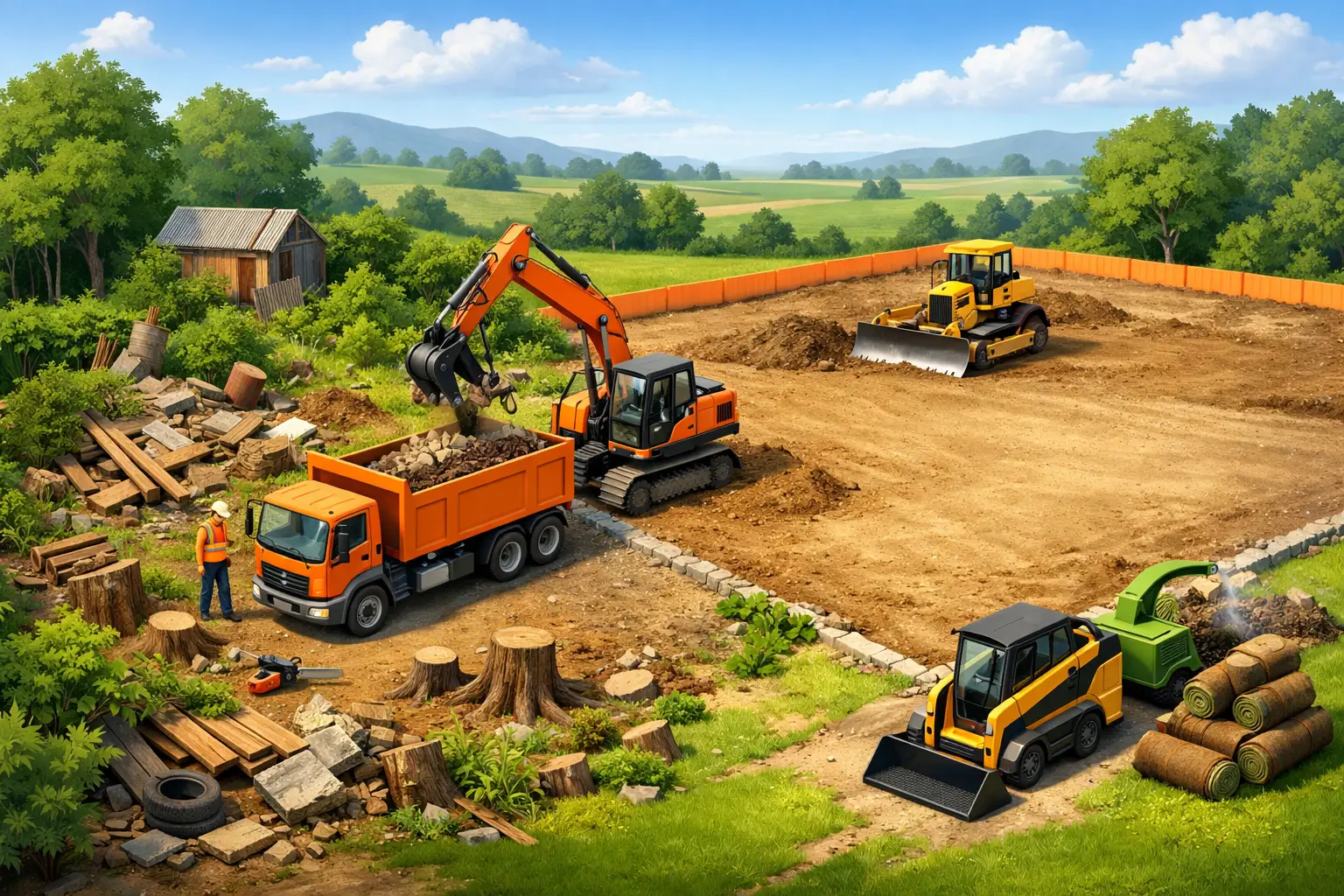
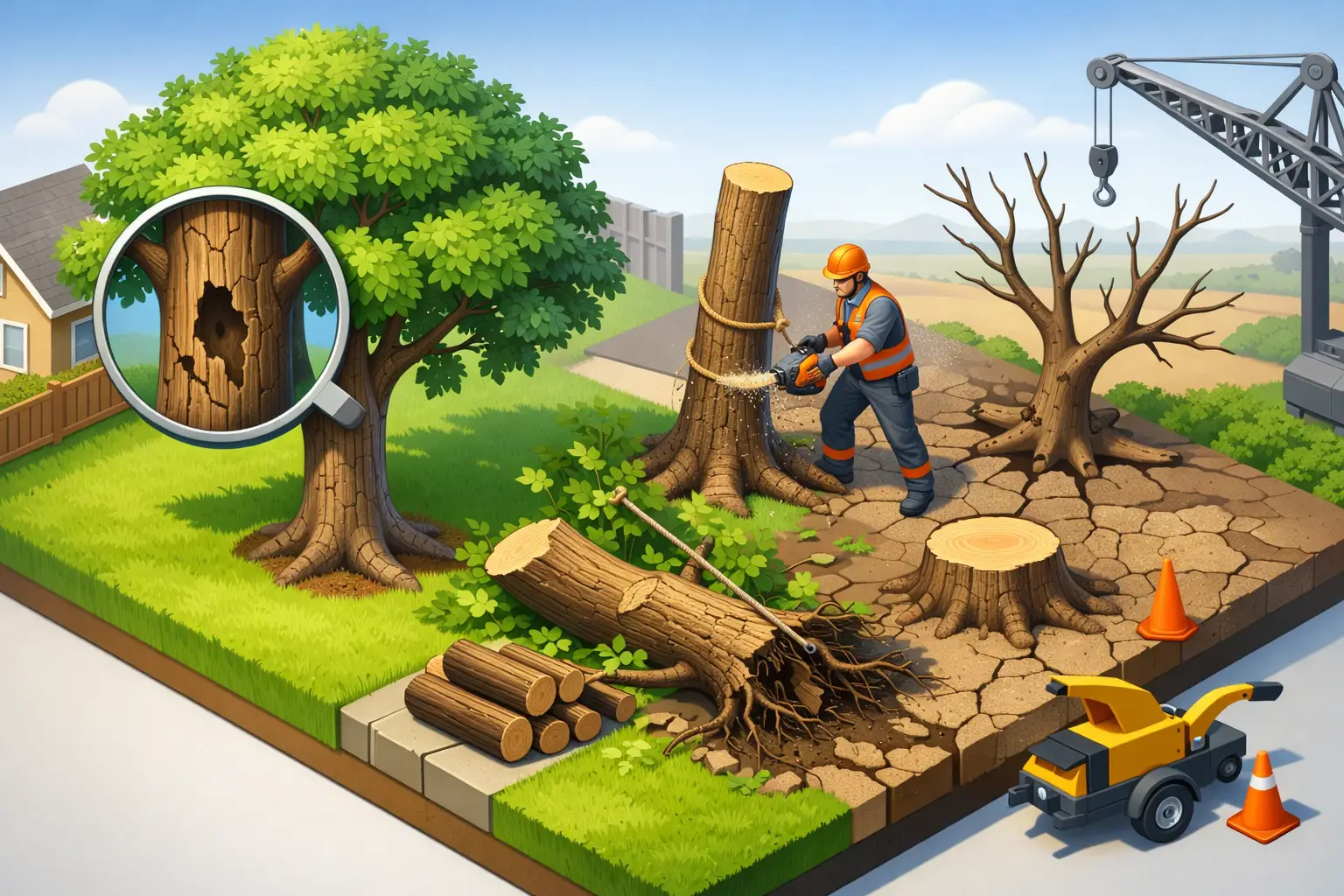
There are also practical considerations. The size of the tree, access to the site, nearby buildings, overhead lines, and neighbouring boundaries all affect how removal should be carried out. A straightforward felling job in open ground is very different from dismantling a large tree over greenhouses, fences, garages, or roads. Specialist equipment, controlled rigging, and experienced operators are often needed to complete the work safely and cleanly.
For homeowners and site managers alike, this is one area where shortcuts are not worth the risk. Tree removal is skilled work. It needs proper assessment, trained staff, and a clear plan for taking the tree down without causing damage.
When should a tree be removed instead of monitored?
Monitoring can be sensible where defects are minor, the target area is low risk, or the tree has strong amenity value and may remain serviceable for years with the right management. But monitoring only works if there is a realistic reason to believe the condition is stable or manageable.
If the tree is declining quickly, if defects are worsening, or if the consequences of failure are serious, delay usually makes the job harder and more expensive. A tree that could have been dismantled in a controlled way may later require emergency action after a storm, with less choice over timing, access, and cost.
That is why early advice matters. A professional opinion can help separate trees that need urgent removal from those that simply need maintenance, reduction, or routine inspection.
A sensible decision, not a rushed one
Removing a tree is a significant step, and it should never be recommended lightly. Mature trees add character, shelter, privacy, and environmental value. But there are times when keeping a tree is no longer the responsible option.
If you have noticed movement, dieback, decay, storm damage, or a tree growing in the wrong place, it is worth getting it looked at properly. At HL Tree Services, that means giving straightforward advice based on safety, condition, and what is actually best for the site – not pushing work that does not need done.
The best time to deal with a problem tree is usually before it proves it is one.