When people search for the best tree and hedge cutting services near me, they are usually not looking for a vague promise. They want someone who turns up on time, works safely, knows what can be cut and when, and leaves the garden or site tidy afterwards. That matters whether you are dealing with a fast-growing hedge blocking light, a tree overhanging a driveway, or storm damage that needs urgent attention.
Tree and hedge work can look simple from the ground. In practice, it often involves height, weight, traffic management, waste removal, nearby buildings, fences, greenhouses, and the long-term health of the tree itself. A poor job can leave a tree unstable, a hedge patchy, or a property exposed to avoidable damage. A good job gives you control, safety and a clean finish that lasts.
What makes the best tree and hedge cutting services near me?
The best service is not always the cheapest quote, and it is not always the firm promising to do everything in an afternoon. Good tree work starts with proper judgement. The contractor should be able to explain what needs cut, what should be left alone, and whether the job calls for pruning, reduction, thinning, removal, or simply routine maintenance.
For hedges, that same judgement matters more than many people realise. Cutting at the wrong time or too aggressively can leave bare patches that take seasons to recover. Some hedges need shaping little and often. Others need a heavier cut to bring them back under control. A reliable contractor will tell you the difference instead of applying the same approach to every garden.
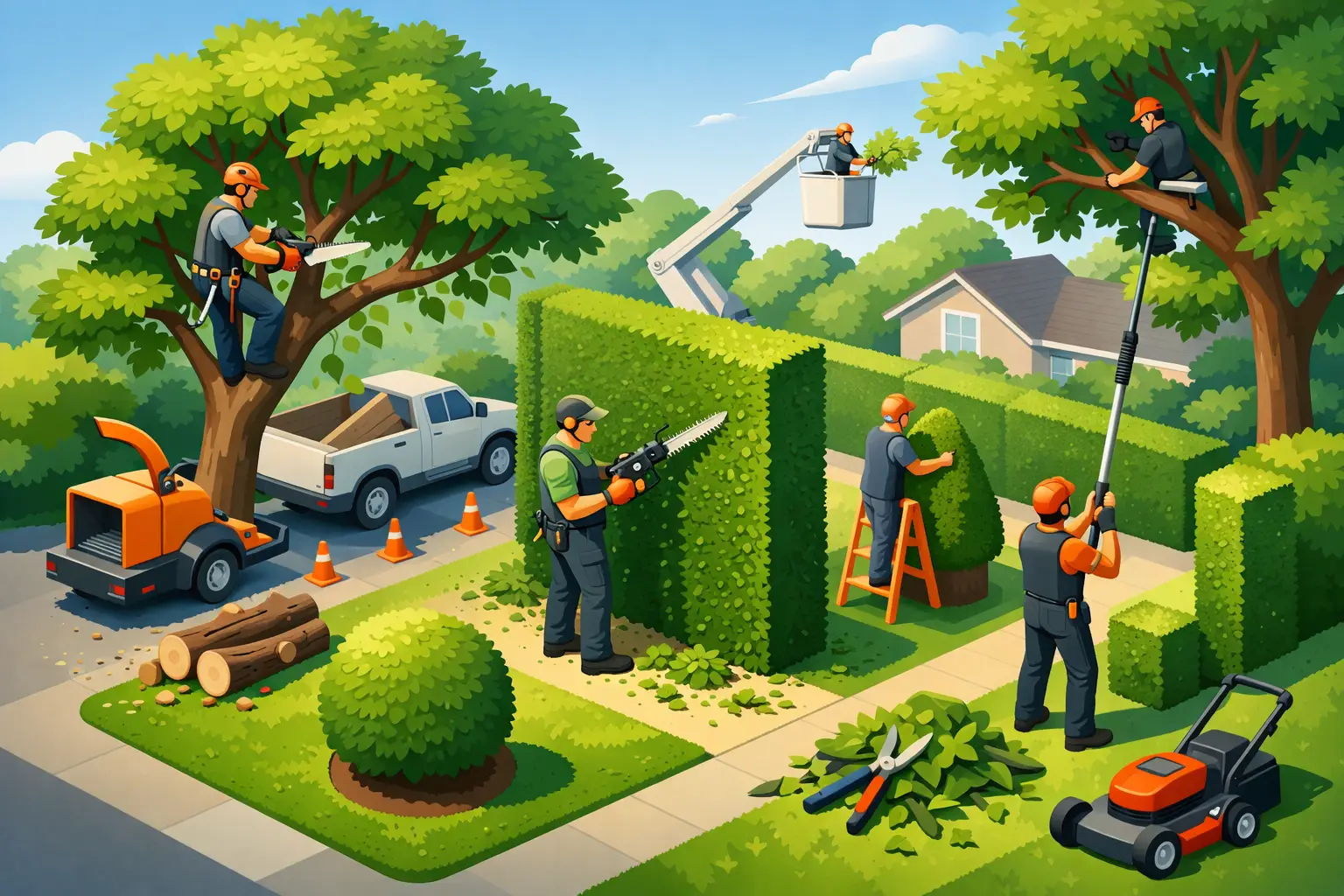
Safety is another clear separator. If a tree is close to a house, road, garage, power lines, sheds or neighbouring property, the work should be planned properly. That may mean sectional dismantling rather than felling in one go. It may also mean specialist access equipment if the shape, height or location makes climbing unsuitable or unsafe.
Cleanliness matters too. Customers remember the finish. Branches stacked neatly, chip removed or dealt with as agreed, sawdust cleared, lawns raked and access routes left usable – these details say a lot about standards.
Why local experience matters
There is a reason many customers prefer a trusted local team over a general contractor. Trees and hedges vary by area, exposure and setting. In places across Fife, Dundee and Perthshire, coastal winds, mature gardens, narrow access, older boundary lines and mixed residential layouts all create their own challenges.
A local contractor is more likely to understand what works in a tight suburban garden, on an estate boundary, or around commercial premises where public safety and access are key. They also tend to value their reputation because much of their work comes from repeat custom, recommendations and visibility in the community.
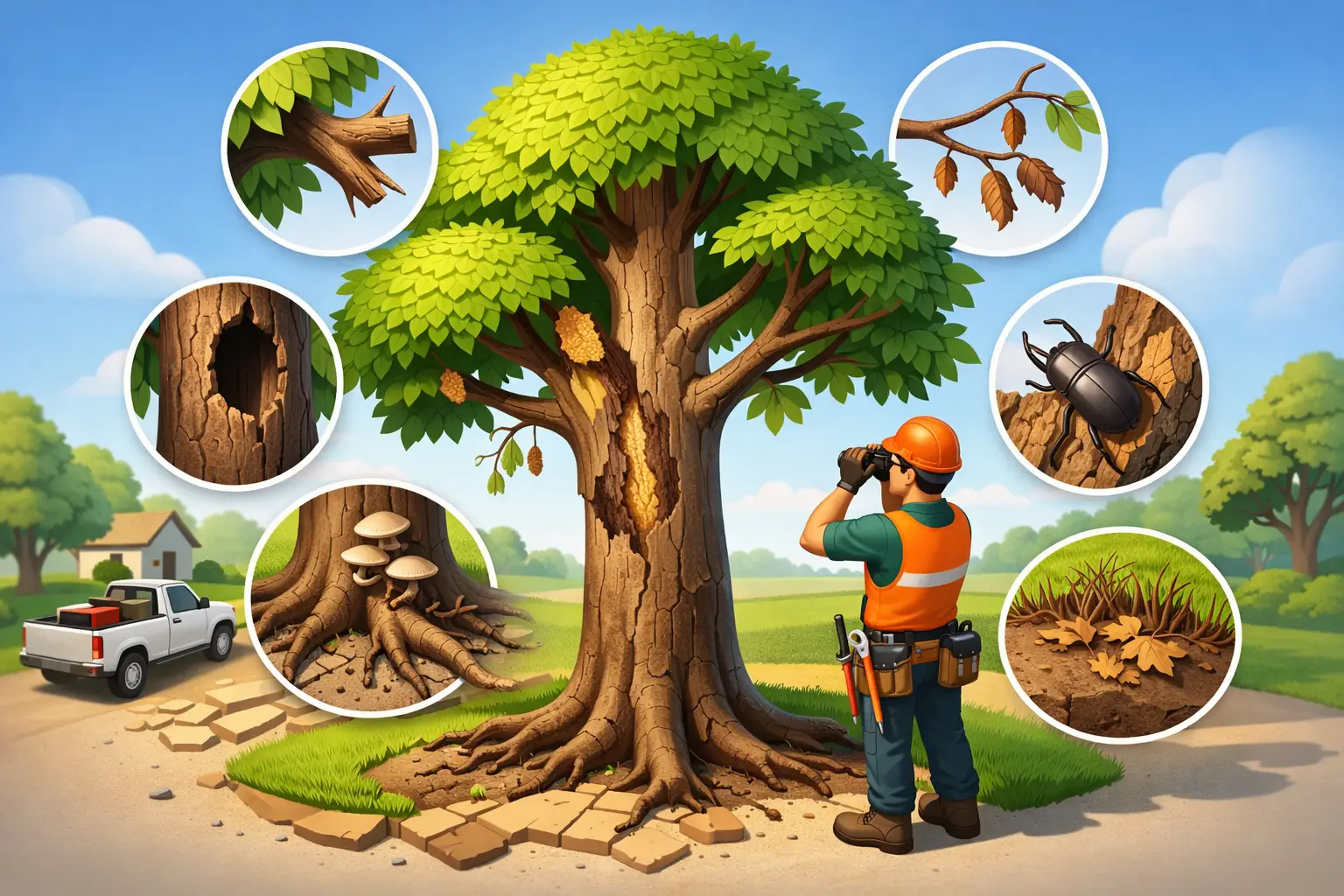
That local knowledge can be especially useful after storms. Wind-damaged trees, split limbs and leaning stems need calm assessment, not guesswork. The right team will know when a tree can be made safe and retained, and when removal is the more responsible option.
Signs you are choosing well
A professional tree and hedge cutting service should be straightforward to deal with from the first call. You should be able to describe the issue, arrange a visit, and get clear advice without being pressured into work you do not need. Free quotes are common, but the quality of the advice behind the quote is what matters.
Look for clear communication and realistic recommendations. If a contractor immediately suggests topping a tree without discussing the consequences, that is worth questioning. Heavy-handed cuts can spoil the shape, trigger weak regrowth and create more problems later. Proper pruning should balance appearance, safety and tree health.
Insurance, training and the right equipment also matter. So does the ability to handle awkward jobs properly. Some work can be done quickly from the ground. Some cannot. Large dismantles, restricted access sites and high-risk trees need the right machinery and an experienced team using it sensibly.
You should also expect honesty about timing. Hedge cutting may be straightforward in one season and less suitable in another. Tree work can also depend on nesting birds, site conditions or the immediate safety risk. Good contractors do not guess. They assess and explain.
Questions worth asking before you book
You do not need to know arboriculture inside out to ask sensible questions. Start with the basics. Ask what work is actually recommended and why. Ask how the team plans to carry it out, whether waste removal is included, and how the site will be left afterwards.
It is also fair to ask whether the proposed cut is aimed at appearance, safety, clearance, tree health, or a combination of the four. That helps you understand the result you are paying for. If a hedge has become badly overgrown, for example, a contractor should explain whether one tidy-up visit will solve the issue or whether a staged reduction is the better route.
For larger jobs, ask about access. Narrow gates, sloping ground and nearby structures can affect how the work is done. Specialist equipment can save time and improve safety, but only when used appropriately.
When cheap work becomes expensive
Most people compare quotes, and that is sensible. The risk comes when price becomes the only deciding factor. Tree surgery and hedge cutting are skilled services. If one quote is much lower than the rest, there is usually a reason.
Sometimes the difference is in what has been left out. Waste removal may be extra. Stump work may not be included. Clean-up may be minimal. In other cases, the lower price reflects rushed work, poor equipment, or a lack of proper planning.
The cost of putting a bad job right is often higher than doing it properly the first time. A butchered hedge can take years to recover. An over-pruned tree can become weak, unsightly or hazardous. Damage to fences, roofs, paving or neighbouring property quickly wipes out any initial saving.
Domestic and commercial work are not the same
Homeowners often need help with garden boundaries, overhanging branches, light reduction and general upkeep. Commercial sites, estates and managed properties usually have wider concerns. These include public safety, vehicle access, visibility, routine maintenance schedules and handling larger volumes of work efficiently.
The best contractors can do both, but they should recognise the difference. A one-off hedge trim at a house and a site clearance project are not variations of the same job. They require different planning, equipment and expectations.
This is where a well-equipped local specialist can stand out. A company such as HL Tree Services, with experience across domestic gardens, larger estates and commercial sites, is often better placed to deal with everything from routine trimming to awkward, high-risk tree work that demands specialist access and a tidy, professional finish.
What a good result actually looks like
Customers sometimes focus only on what is being removed, but the real test is the end result. A properly cut hedge should look balanced, suit the space and be manageable going forward. A well-pruned tree should still look like a tree, not a bare framework or a lopsided stump.
There is also a practical side to a good finish. Paths should be clear. Sightlines should improve. Gutters, drives and neighbouring spaces should be free from debris. If the aim was to reduce shade, improve clearance or make a tree safe, the result should clearly achieve that without unnecessary damage to the plant or the property.
That is why the best firms are methodical. They do not just cut until the problem seems smaller. They work to a clear outcome.
How to narrow down your options with confidence
If you are comparing local providers, trust the details that reflect real standards. Clear advice, safe methods, proper equipment, tidy work and a sensible quote tell you more than flashy claims. Strong word of mouth helps, especially when people mention reliability, cleanliness and professionalism rather than just price.
It also helps to notice how a company talks about the work. Experienced teams tend to be specific. They explain the difference between pruning and felling, between maintenance and remedial work, and between a quick trim and a proper reduction. That confidence usually comes from doing the job properly, day after day.
If you need routine hedge cutting, planned tree maintenance or urgent storm response, the right choice is the contractor who gives you confidence before the saw starts. Good tree work should solve a problem, protect the property and leave the site looking cared for. That is the standard worth looking for when you search locally.