A mature tree can add real value to a property – until it starts holding up a build, causing concern after a storm, or raising questions about safety near roads, homes, parking areas or footpaths. That is usually the point when tree surveys Fife property owners have put off for years suddenly become urgent. A proper survey gives you a clear picture of what is there, what condition it is in, and what needs to happen next.
When tree surveys in Fife are actually needed
Not every garden tree needs formal assessment. If you have a small ornamental tree in good condition and no work planned around it, a survey may be unnecessary. But once risk, development, access or public use comes into play, guessing is not good enough.
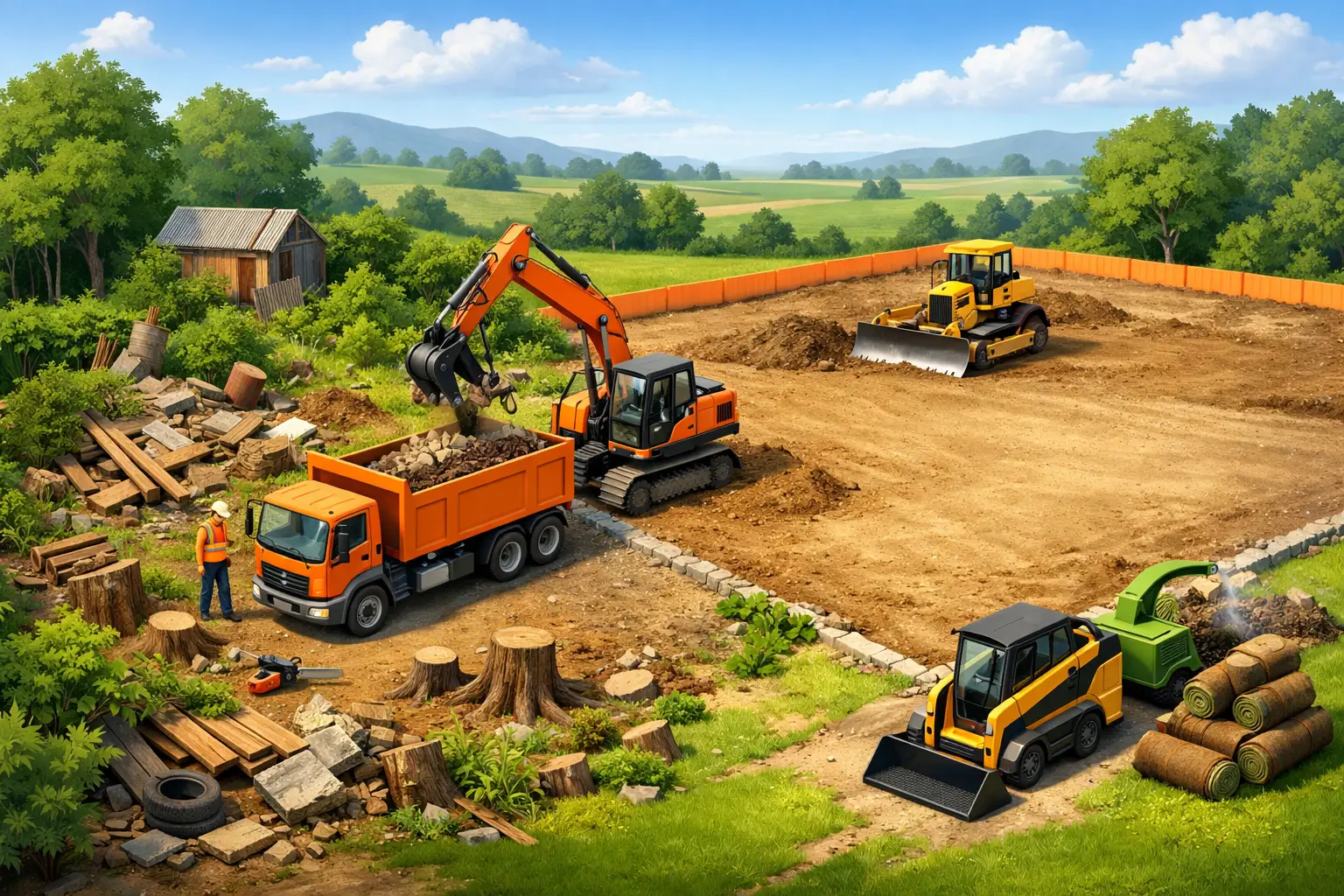
A tree survey is often needed before building work, extensions, site clearance, changes to access routes or landscaping that may affect root protection areas. It is also sensible where trees are close to buildings, roads, schools, commercial premises or shared spaces. In these situations, the issue is not only tree health. It is duty of care, liability and making sensible decisions before a minor problem becomes expensive.
For homeowners, that might mean checking a large beech leaning over a driveway or understanding whether an old sycamore is safe to retain. For landowners and site managers, it may mean assessing multiple trees across a boundary, car park or development plot. The scale changes, but the reason stays much the same – you need clear, professional advice based on what is actually on site.
What a tree survey should tell you
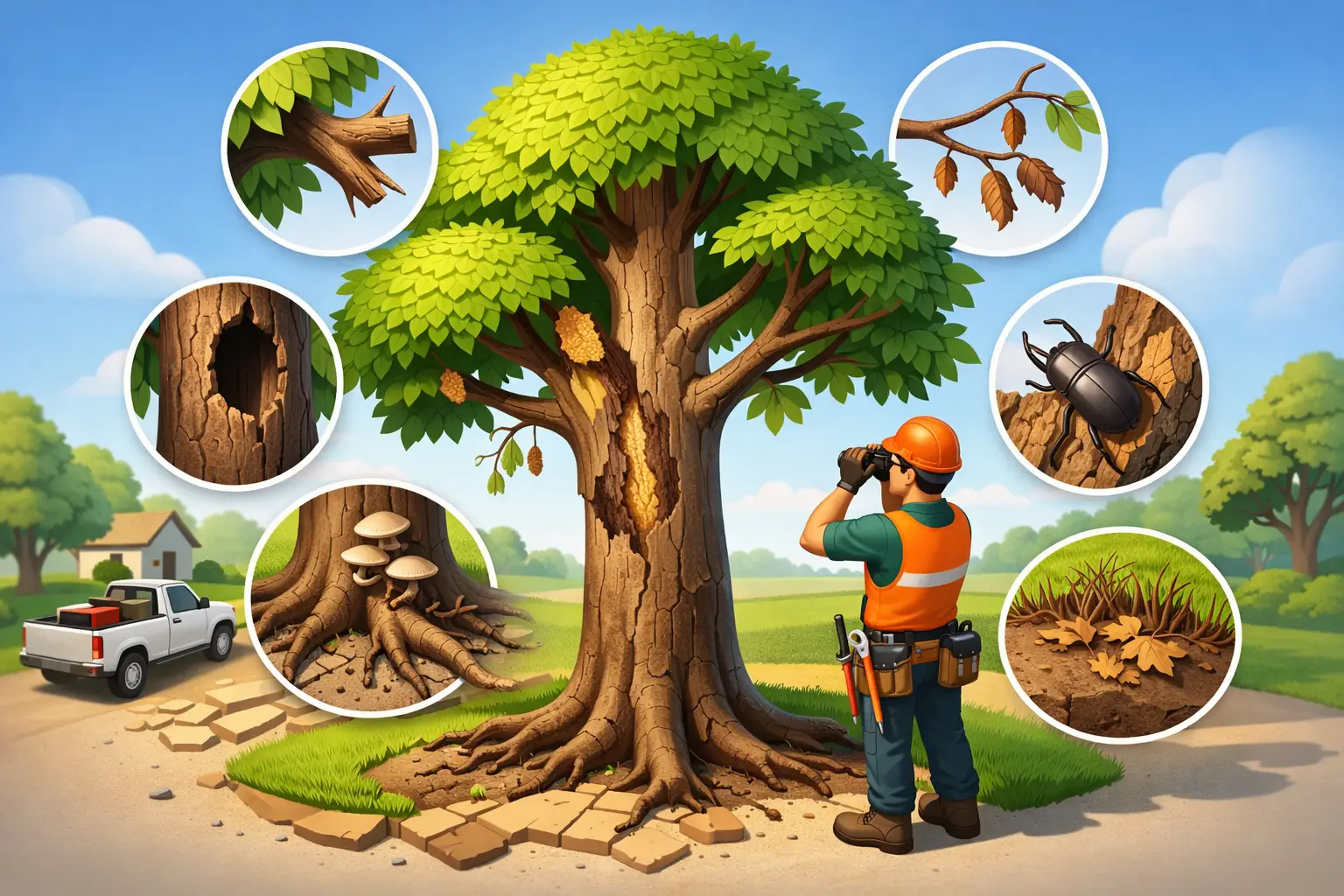
A useful survey does more than list species and measure trunks. It should help you make decisions with confidence. That means identifying the trees on site, recording their size and condition, noting structural defects, assessing likely life expectancy and highlighting any immediate or longer-term management needs.
If the survey is linked to planning or development, it should also look at category grading, root protection areas and the likely impact of proposed works. This is where experience matters. On paper, moving a driveway or trench line may look simple. On site, a mature tree may have roots exactly where the new works are planned. Knowing that early can save time, redesign costs and avoidable damage.
A good survey also needs context. A tree with a defect in the middle of open land may be acceptable to retain and monitor. The same defect overhanging a busy pavement is a different matter. Tree work is rarely one-size-fits-all, and a decent survey should reflect that.
Safety, liability and peace of mind
One of the biggest reasons clients ask for surveys is reassurance. They want to know whether a tree is safe, whether work is necessary, and whether they are doing the right thing by retaining or removing it.
That is especially true after high winds or heavy rain, both of which can expose weaknesses that were not obvious before. Cracks, lifted ground, deadwood, fungal growth and changes in lean can all point to problems, but not every visual issue means the tree is dangerous. Equally, some serious defects are easy to miss without trained assessment.
For commercial sites, estates and property managers, there is a practical side to this. If a tree fails and causes injury or damage, questions will be asked about inspection and maintenance. A professional survey helps show that trees are being managed responsibly rather than ignored until something goes wrong.
For domestic clients, the benefit is often more straightforward. You stop worrying every time the wind gets up, and you know whether the tree needs pruning, monitoring, bracing or removal.
Tree surveys Fife for planning and development
Planning-related surveys are one of the most common reasons people get in touch. If you are building an extension, developing land or altering access, existing trees can affect what is possible. Just as importantly, proposed works can affect trees that should be retained.
In these cases, the survey is not a box-ticking exercise. It helps shape the project. Early advice can highlight which trees are worth protecting, which ones are poor specimens, and where construction methods may need to change. It is far better to know this before designs are fixed than after delays start piling up.
There is often a balance to strike. Some sites contain trees with strong landscape value that should clearly stay. Others may include self-seeded, low-quality or short-lived specimens that offer little long-term benefit. The right approach depends on the site, the condition of the trees and the aims of the project. Blanket preservation is not always realistic, and wholesale removal is not always the smart option either.
That is why practical arboricultural input matters. You need advice that understands both tree care and real-world site constraints.
What happens during a survey
Most surveys start with a site visit and visual inspection. Trees are identified, measured and assessed individually or in groups depending on the purpose of the report. The surveyor looks at structure, form, vitality, defects, site use and likely targets nearby.
If the survey supports planning, the reporting will usually be more detailed, with retention categories and root protection calculations. If the concern is safety, the focus may be more on condition, risk factors and management recommendations.
From the client side, the process should feel straightforward. You should come away knowing what the findings mean in plain English, not just receiving technical wording with no practical direction.
Not every tree problem needs removal
This is worth saying clearly, because many property owners assume a survey leads straight to felling. In reality, plenty of trees can be retained with sensible management. Crown reduction, removal of deadwood, targeted pruning or periodic monitoring may be enough.
There are also cases where doing less is the better option. Over-pruning can create new problems, stress the tree or spoil its shape. A survey should identify what is necessary, but also what is not. Honest advice matters here. Clients are usually looking for the right solution, not the biggest job.
Why local knowledge matters in Fife
Tree species, weather exposure, soil conditions and site use all influence how trees behave. In Fife, that can mean anything from mature garden trees in established residential areas to shelterbelts, roadside trees and boundary planting on larger plots. Coastal exposure, open ground and storm conditions can all affect tree condition and management priorities.
Local knowledge helps with the practical side too. Access can be tight, neighbouring properties can complicate work, and some sites need specialist equipment to inspect or carry out follow-on work safely. If a survey leads to remedial pruning, dismantling or emergency action, it helps to deal with a team that understands the area and can carry the job through properly.
That is one reason many clients prefer using a contractor who is not only able to assess the issue but also equipped to deal with what comes next. HL Tree Services works with homeowners and commercial clients across Fife on exactly that basis – clear advice, safe workmanship and a tidy finish.
Choosing the right survey for your situation
The phrase tree survey can cover several different needs, so it helps to be clear from the start. Are you trying to support a planning application, assess safety, understand the condition of a single important tree, or review tree stock across a wider site? The answer affects the scope of the inspection and the type of report you need.
If you are unsure, ask for guidance before commissioning anything. There is no benefit in paying for the wrong level of reporting. A domestic safety concern may not need the same detail as a development site survey. On the other hand, a brief visual check may be of little use if planners require formal arboricultural information.
A professional should be able to explain the difference clearly and recommend the most suitable route without overcomplicating it.
What to do if you think you need a survey
The best time to arrange a survey is before pressure builds. If you are planning works, do it early. If a tree has changed after bad weather, do not leave it until the next storm. If you manage land or commercial premises, regular review is simply part of sensible maintenance.
Take note of what is concerning you – visible decay, overhang, movement, blocked light, planned building work or a request from planners. That initial information helps shape the visit and makes sure the advice you receive is relevant to the real problem.
Good tree management is not about being alarmist. It is about acting early, getting honest advice and making sound decisions based on safety, site use and long-term value. If a tree matters to your property, it is worth knowing exactly what you are dealing with.