When a mature tree outgrows its space, the work is rarely as simple as cutting it down and clearing away the timber. This large tree dismantling case study looks at the kind of job that demands careful planning, specialist access, and a team that knows how to work safely in tight conditions.
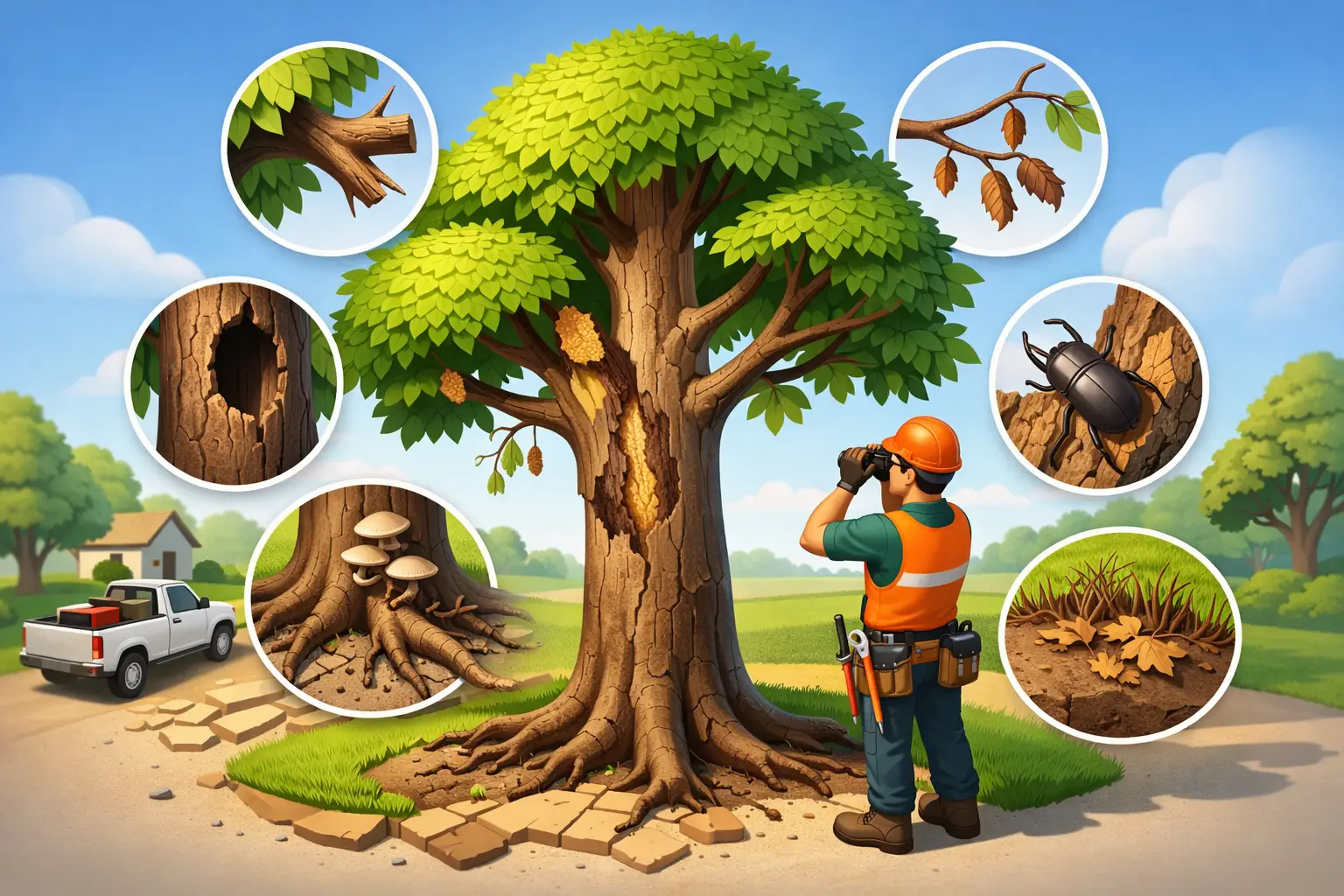
In this example, the tree stood in a rear garden with limited access, close to a house, boundary fencing, a greenhouse, and overhead service lines nearby. The client had noticed progressive lean, deadwood in the upper crown, and root pressure affecting the surrounding ground. A straight fell was out of the question. The only sensible route was a controlled dismantle in sections.
Why this large tree dismantling case study matters
For many property owners, the biggest concern is not the tree itself. It is what could be damaged if the job is handled badly. Mature trees can sit over sheds, conservatories, drives, gardens, neighbouring boundaries, and access routes. Once a tree reaches that size, every cut matters.
That is why a large tree dismantling case study is useful. It shows what professional tree work actually involves behind the scenes. The visible part is the cutting. The real job starts before a saw is even started, with inspection, risk assessment, equipment planning, and a clear method for bringing the tree down without unnecessary risk to people or property.
The site and the main constraints
This particular tree was a tall, mature conifer that had become too large for its setting. It had good height and substantial lateral growth, but poor drop zones. There was no open space to bring down large sections safely, and the client wanted the surrounding garden features protected as far as possible.
Access was another factor. The team could not simply get heavy machinery into the back garden without damaging lawns and hard landscaping. In cases like this, the method has to suit the site. Sometimes that means climbing and rigging. Sometimes it means using a cherry picker where access and ground conditions allow. Often, it is a combination of the two.
The weather also plays a part. Even on a well-planned job, wind can change how upper limbs move once weight is taken off the crown. If conditions are not right, the work has to slow down or stop. That is part of doing the job properly, not a delay for the sake of it.
Planning the dismantle
Before work began, the tree was assessed for structure, condition, likely anchor points, decay indicators, and the safest route for sectional removal. The team also checked the surrounding area for hazards, established exclusion zones, and planned where brash, timber, and equipment would be staged during the job.
With large dismantles, sequencing is everything. Remove too much weight from one side too quickly and the tree can react unpredictably. Leave awkward limbs too long and the climber has a more difficult final stem to work with. The aim is to reduce the crown in a balanced way, maintain control, and create manageable pieces that can be lowered or dropped safely into the available space.
The client was talked through the process in plain terms. That matters. Most customers do not need a lesson in rigging systems or cutting techniques, but they do want to know what will happen, how long it is likely to take, whether access will be affected, and how tidy the site will be afterwards.
How the work was carried out
The job started with a controlled reduction of the outer crown. Smaller branch material was removed first to create working room and reduce sail effect in the upper canopy. Where there was enough safe landing space, light material could be dropped into a designated area. Heavier limbs were rigged and lowered to avoid impact damage.
This is where experience really shows. On a big dismantle, speed is less important than control. Each section has to be judged for weight, swing, balance, and landing position. Lowering lines, friction devices, and clear communication between climber and ground crew keep the operation steady and predictable.
As the crown came down, the main stem was exposed and dismantled in measured sections. The size of each piece depended on available drop zone, timber weight, and how close the work was to structures. Larger blocks can save time on open sites, but in confined gardens they often create more risk and more mess. Smaller, controlled sections usually make for a safer and cleaner finish.
Where specialist access is available, a cherry picker can be the right solution, particularly when the tree structure makes climbing less suitable or when improved positioning helps reduce risk. That said, it depends on access width, ground bearing capacity, and the layout of the site. There is no one-size-fits-all method in arboriculture. Good contractors choose the safest practical approach for that specific tree and that specific property.
The challenges on the day
No two dismantles are identical, even when the trees look similar on paper. In this case, one of the main challenges was the limited working corridor between the tree and a boundary line. That reduced the margin for error when lowering branch sections and meant the ground crew had to keep the site moving efficiently to avoid congestion.
Timber handling was another consideration. Large stem sections become very heavy very quickly. If they are cut too large, they are harder to move safely and can mark paving or soft ground. If cut too small, the job becomes slower and less efficient. The right balance comes from practical judgement.
The client was also keen to preserve as much of the surrounding garden as possible. That meant using boards and protective measures in high-traffic areas, managing brash carefully, and maintaining a disciplined clear-up throughout the work rather than leaving everything until the end.
What made the job successful
The success of this dismantle was not down to one dramatic moment. It came from dozens of correct decisions made throughout the day. The tree was removed in a controlled manner, the nearby structures were protected, and the site was kept orderly from start to finish.
Just as important, the work was matched to the property rather than forcing a standard approach onto a difficult site. That is often the difference between a tidy, well-managed removal and a job that leaves a garden battered and a client frustrated.
For homeowners and site managers, this is the practical value of hiring an experienced tree team. You are not just paying for saw work. You are paying for judgement, coordination, equipment, insurance, training, and the ability to adapt when site conditions are awkward.
Aftercare and site clearance
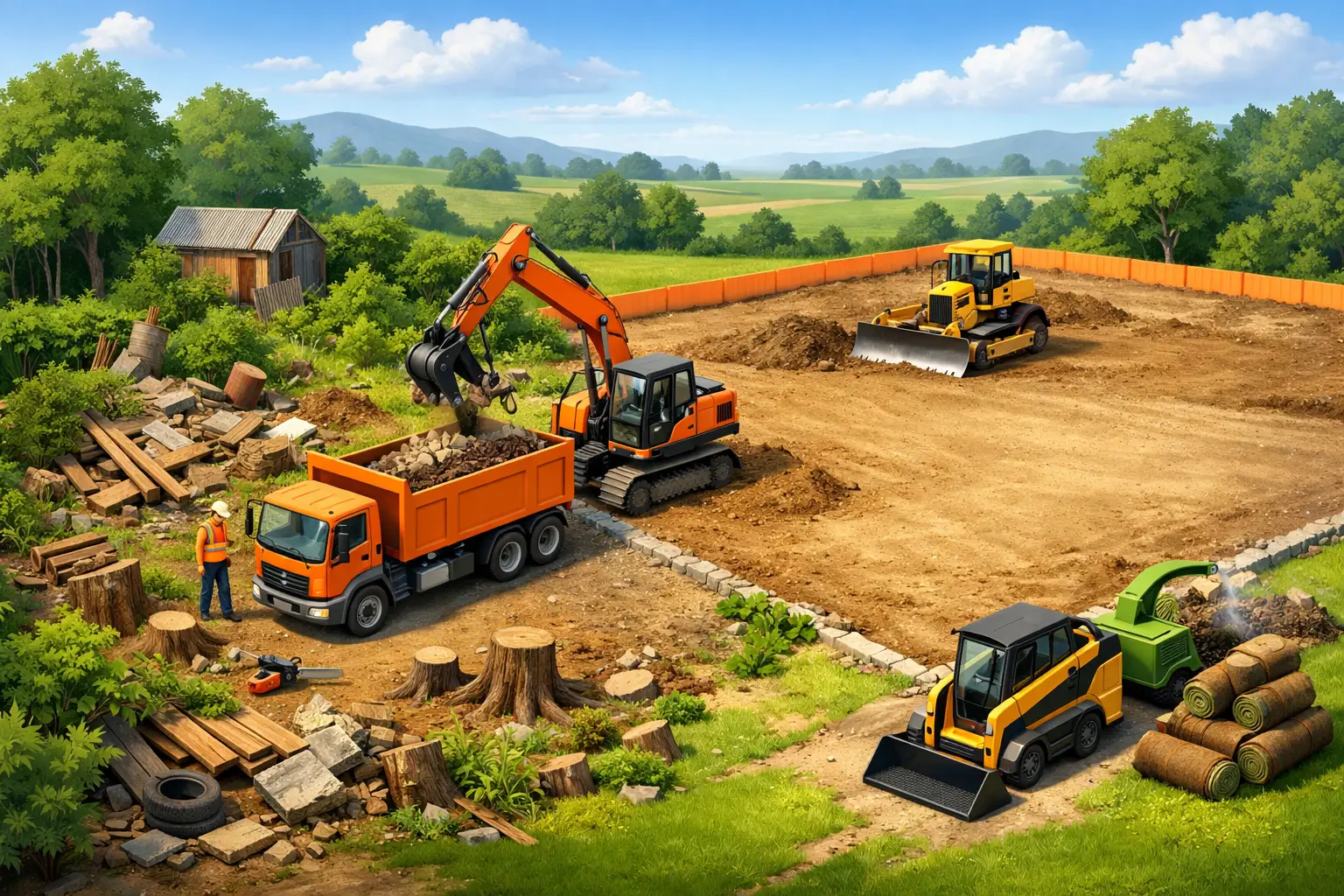
Once the tree was fully dismantled, the remaining timber and brash were processed and removed, with the site left clean and safe. Depending on the client’s requirements, the next step can be stump grinding, replanting advice, or simply leaving the area ready for landscaping or fencing repairs.
A good finish matters. Large tree work can be disruptive by nature, but it should not leave a property looking like a building site. Clean-up is part of the service, not an optional extra.
What property owners can take from this case study
If you have a large tree close to buildings, roads, gardens, or boundary lines, the key lesson is simple. The earlier it is assessed, the more options you usually have. Sometimes a tree can be retained with pruning or crown management. Sometimes condition, size, or location means dismantling is the right call.
Either way, high-risk tree work should never be treated casually. A large dismantle involves far more than cutting from the top down. It requires planning, trained staff, suitable access, safe systems of work, and a clear understanding of how to protect the site while the work is carried out.
Across Fife, Dundee and Perthshire, mature trees often stand in exactly these awkward positions – close to homes, over drives, beside public areas, or tucked into gardens with poor access. That is where a professional approach earns its keep. HL Tree Services handles this type of work with the care, equipment, and practical experience needed to get the job done safely and leave the site in good order.
If you are looking at a tree and wondering whether it can be managed, reduced, or needs to come down in sections, the best next step is an honest assessment on site. A clear plan always beats a rushed decision.