A branch hanging over a driveway might not look urgent until the wind picks up. A tree leaning a little more than it did last winter can be easy to ignore as well. But when a tree starts affecting safety, access, neighbouring property or its own long-term health, the question usually becomes very simple – do I need tree surgeon help, or can this wait?
In many cases, a professional opinion saves time, money and a lot of avoidable risk. Tree work often looks straightforward from the ground. Once height, weight, decay, power lines, unstable limbs or restricted access are involved, it becomes specialist work very quickly.
Do I need a tree surgeon or can I do it myself?
That depends on the size of the job, the condition of the tree and what could go wrong if you get it wrong.
Light garden tidying is one thing. Picking up fallen twigs, trimming a few small shoots from a young shrub or cutting back soft growth you can reach safely from the ground is normally manageable. The moment the work involves ladders, chainsaws, heavy limbs, dead wood overhead or branches near buildings, fences, roads or public spaces, it moves into professional territory.
A tree surgeon is not just someone who cuts branches. Proper tree care means understanding how a species grows, where cuts should be made, how much canopy can be removed without causing stress, and how to work safely while controlling falling timber. It also means spotting signs of disease, decay and structural weakness that an untrained eye may miss.
If you are asking the question at all, there is often a reason. Trees usually give warning signs before they become bigger problems.
Signs you may need a tree surgeon
Some situations are obvious. Storm damage, split limbs, uprooting and blocked access need fast attention. Others develop slowly and are easier to overlook.
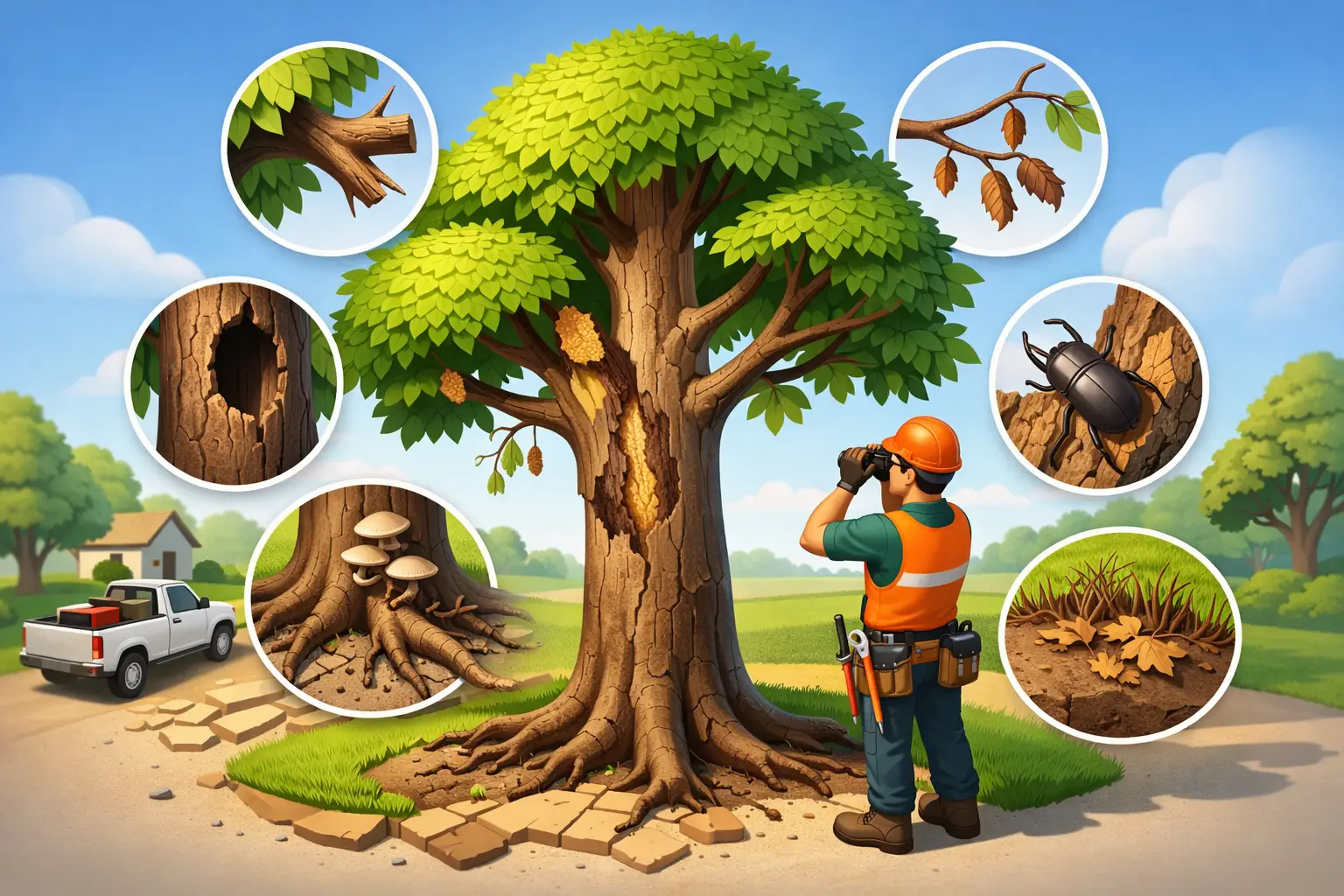
If a tree has dead branches in the crown, visible cracks in the stem, fungal growth around the base, sudden leaning, heavy branches overhanging your house, or roots affecting hard surfaces, it is worth having it assessed. The same applies if the canopy has become too dense, is blocking light badly, or is interfering with neighbouring gardens, footpaths or roads.
Overgrown hedges can also need professional attention, particularly when they are tall, difficult to shape properly or have been left too long. Cutting back the wrong way can leave a hedge thin, patchy or stressed.
Trees close to conservatories, garages, boundary lines and parking areas are another common reason people call in help. What starts as routine maintenance can quickly involve awkward access, rigging, lowering branches carefully and protecting the surrounding area.
Safety is usually the deciding factor
The biggest reason to use a tree surgeon is safety. Not because every tree is dangerous, but because tree work can become dangerous without much warning.
Branches carry more weight than people expect. Decayed timber can fail suddenly. Ladders are rarely a safe working platform for cutting. Even a relatively small limb can damage a car roof, greenhouse, fence panel or shed if it drops the wrong way.
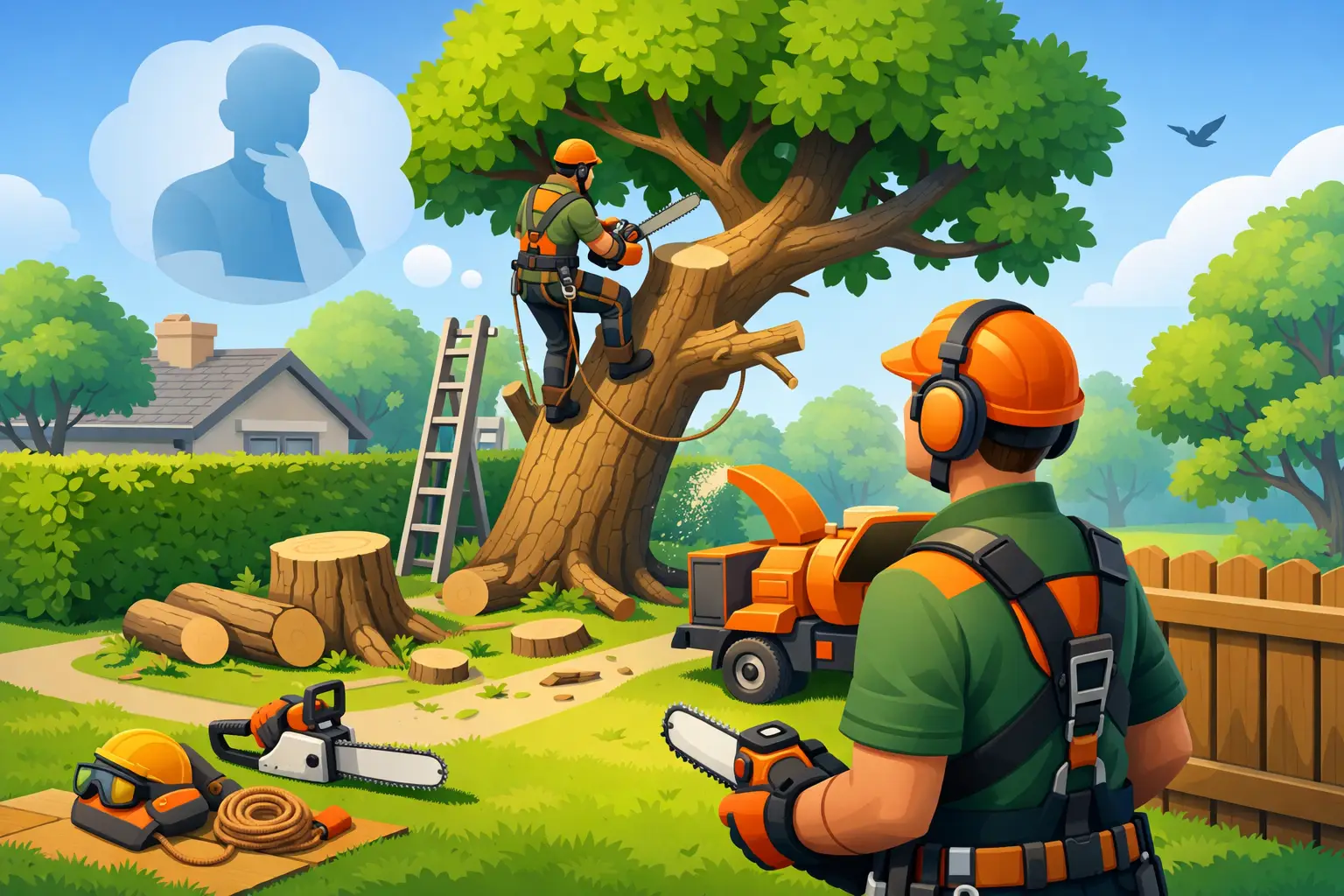
For larger or more technical jobs, professional teams use proper climbing equipment, lowering systems, saws suited to the task and, where needed, specialist access such as a cherry picker. Just as important, they know how to plan the work so it is carried out cleanly and safely from start to finish.
When a tree surgeon is the better long-term choice
There is also the question of tree health. Poor pruning can do lasting damage.
Cuts made in the wrong place can leave a tree vulnerable to decay. Removing too much growth at once can shock it and lead to weak regrowth. Topping a tree to reduce height may seem like a quick fix, but it often creates an uglier, less stable problem later on. The tree responds with fast, poorly attached shoots, and the cycle of cutting tends to repeat.
A good tree surgeon looks at what the tree needs, what the property needs and what outcome makes sense over time. That could mean crown reduction rather than harsh cutting, selective thinning instead of major removal, or deadwood removal to make a tree safer while keeping its natural shape.
That balance matters if you want the tree kept, not just cut back.
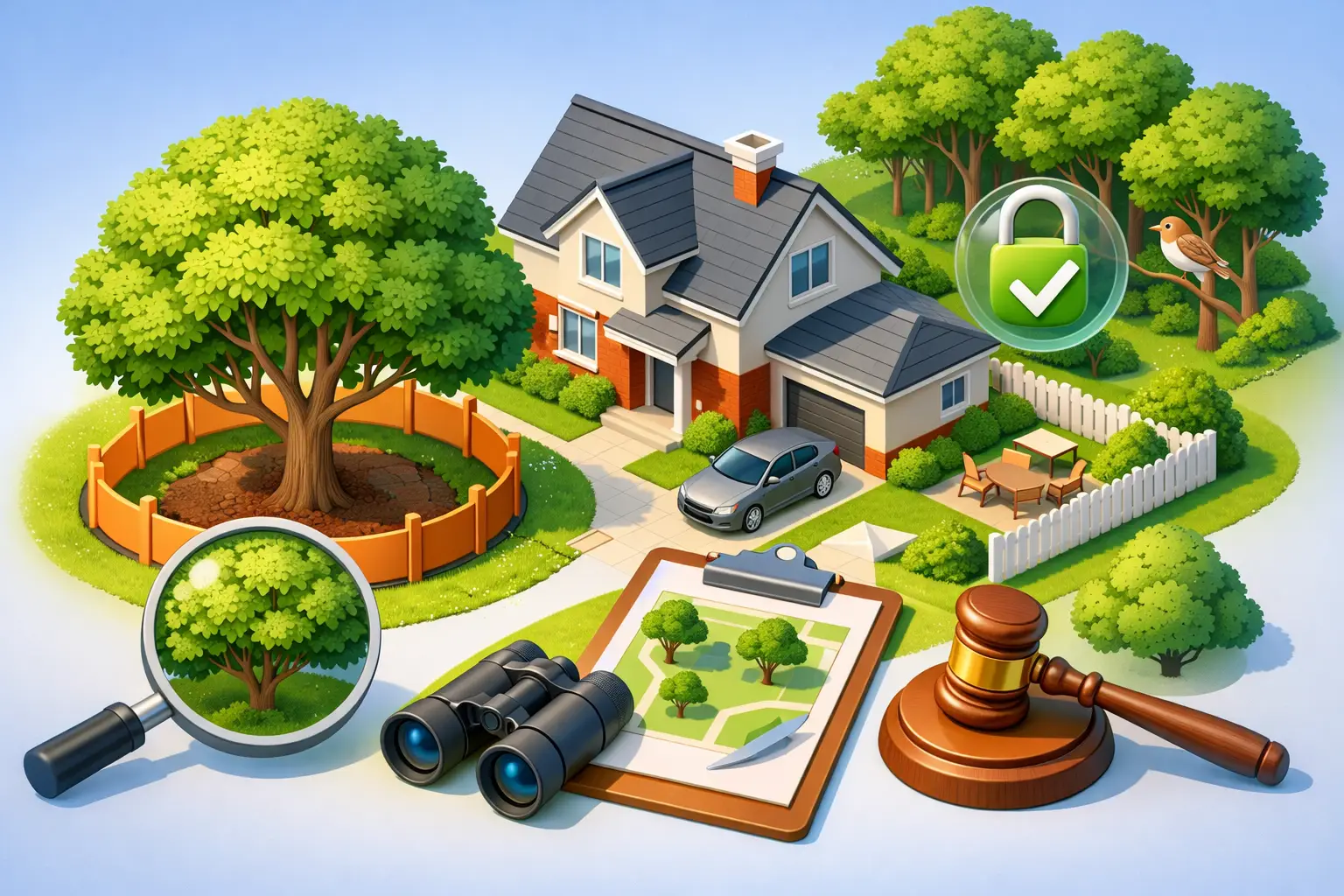
Do I need a tree surgeon for a protected tree?
Possibly, yes – and this is one of the clearest times to get professional advice.
Some trees are protected by a Tree Preservation Order, and others stand within conservation areas where works may need consent or notice before anything is done. Carrying out unauthorised work can create serious problems.
A professional tree surgeon will usually be able to tell you what needs checking and guide you through the practical side of the job. That is especially useful when you know work is needed but are unsure what is legally allowed.
This is common with mature trees in established residential areas, larger gardens, estate grounds and commercial sites. If a tree has public amenity value or stands in a sensitive position, do not assume you can simply cut it back because it is on your land.
Emergency situations are different
If a tree has partly failed, is blocking access, has fallen after high winds or is posing an immediate danger, speed matters. In those situations, emergency tree work may be needed to make the area safe first and assess the wider risk afterwards.
That is not the moment for trial and error. Storm-damaged trees can be under huge tension, with branches trapped or loaded in ways that are difficult to predict from the ground.
What a tree surgeon can help with
People often think the job is only about felling, but professional tree care covers far more than removal.
You may need pruning to improve shape, reduce end weight or clear buildings. You may need crown lifting for access, stump grinding after a tree has been removed, hedge cutting to bring boundaries back under control, or a tree survey before building work or land management decisions. On larger or more awkward sites, specialist equipment and proper site clearance make a major difference.
That is why it helps to think beyond the immediate branch or tree that is bothering you. The right work now can prevent repeat problems later.
How to tell if the quote and advice are sound
If you do decide to bring in a professional, look for clear, plain advice. You should be told what work is recommended, why it is needed and what the likely result will be.
A good contractor will not push removal if pruning will solve the issue. Equally, they should not dress up a hazardous tree as a simple tidy-up. Honest advice matters because every site is different. A beech in a tight back garden is not the same job as a conifer on open ground, and a storm-damaged roadside tree is different again.
You should also expect attention to safety, proper clean-up and respect for your property. Tree work is messy by nature, but it should still be controlled and finished properly.
In places across Fife, Dundee and Perth, that combination of practical skill, tidy work and straightforward communication is usually what homeowners and site managers value most. They want the job done properly, without fuss and without being left with a pile of brash, ruts in the lawn or a problem that comes back next season.
When the answer is no
Not every tree needs intervention. That is worth saying clearly.
Some trees shed a small amount of deadwood naturally. Some grow in ways that look dramatic without being unsound. Shade is not automatically a sign of a problem, and not every root near a path is causing structural damage. Sometimes the best advice is to monitor the tree, carry out minor maintenance later, or leave it alone altogether.
That is another reason professional assessment is useful. Good tree care is not about recommending the biggest possible job. It is about doing the work that is actually needed, no more and no less.
So, do I need a tree surgeon?
If the tree is large, damaged, overgrown, close to buildings, difficult to access, legally protected or worrying you for any reason, the safest answer is usually yes. Even where the work turns out to be minor, getting the right advice early can stop a manageable issue becoming an expensive one.
Trees add real value to a property, but only when they are properly looked after. If something about yours does not look right, or if the job feels beyond a basic garden task, trust that instinct. A professional eye can make the difference between a simple fix and a serious problem left too long.