A tree survey report review matters most when a decision is about to be made. That might be a house purchase, a planning application, a site layout, or concerns about the condition of mature trees near people, buildings, roads or boundaries. If the report is clear and accurate, it helps you move forward with confidence. If it is vague, dated or incomplete, it can leave you exposed to delay, extra cost, or avoidable risk.
For homeowners and site managers alike, the problem is usually the same. You have a document in front of you filled with technical terms, measurements and recommendations, and you need to know one simple thing – can you rely on it? A proper review is about checking whether the report reflects what is actually on site, whether the advice is proportionate, and whether any urgent work or legal issue has been missed.
What a tree survey report review should tell you
A good review does more than confirm that a report exists. It tests whether the information in it is useful, current and suitable for the purpose it is meant to serve. A survey prepared for mortgage reassurance is not the same as one prepared for development planning, and neither is the same as a risk-based inspection for trees near a public area.
The first thing to look at is scope. The report should make clear why the survey was carried out, which trees were inspected, what level of inspection took place and what limitations applied. If that is missing, the rest of the report becomes harder to trust. A tree can look acceptable on paper but still raise concerns if access was restricted, dense ivy hid defects, or the inspection was only basic.
The second point is accuracy. Species, dimensions, age class, condition and location should all be recorded in a way that matches the site. If the plan is muddled, tree numbers do not line up, or important features such as buildings, roads, retaining walls or service routes are ignored, the recommendations may not be reliable.
The third is whether the conclusions make sense. If a report recommends heavy reductions, felling or ongoing monitoring, there should be a clear reason for that. Equally, if a tree stands close to a house, road or footpath and the report brushes past obvious structural or management concerns, that deserves a second look.
When to question an existing report
Not every tree survey needs to be challenged. Plenty are sound, practical and fit for purpose. But there are common situations where a review is sensible.
One is age. Trees are living structures, and site conditions change. Storm damage, decay progression, construction activity, changes in ground level and simple seasonal growth can all alter the picture. A report from several years ago may still offer background information, but it should not always be treated as current evidence.
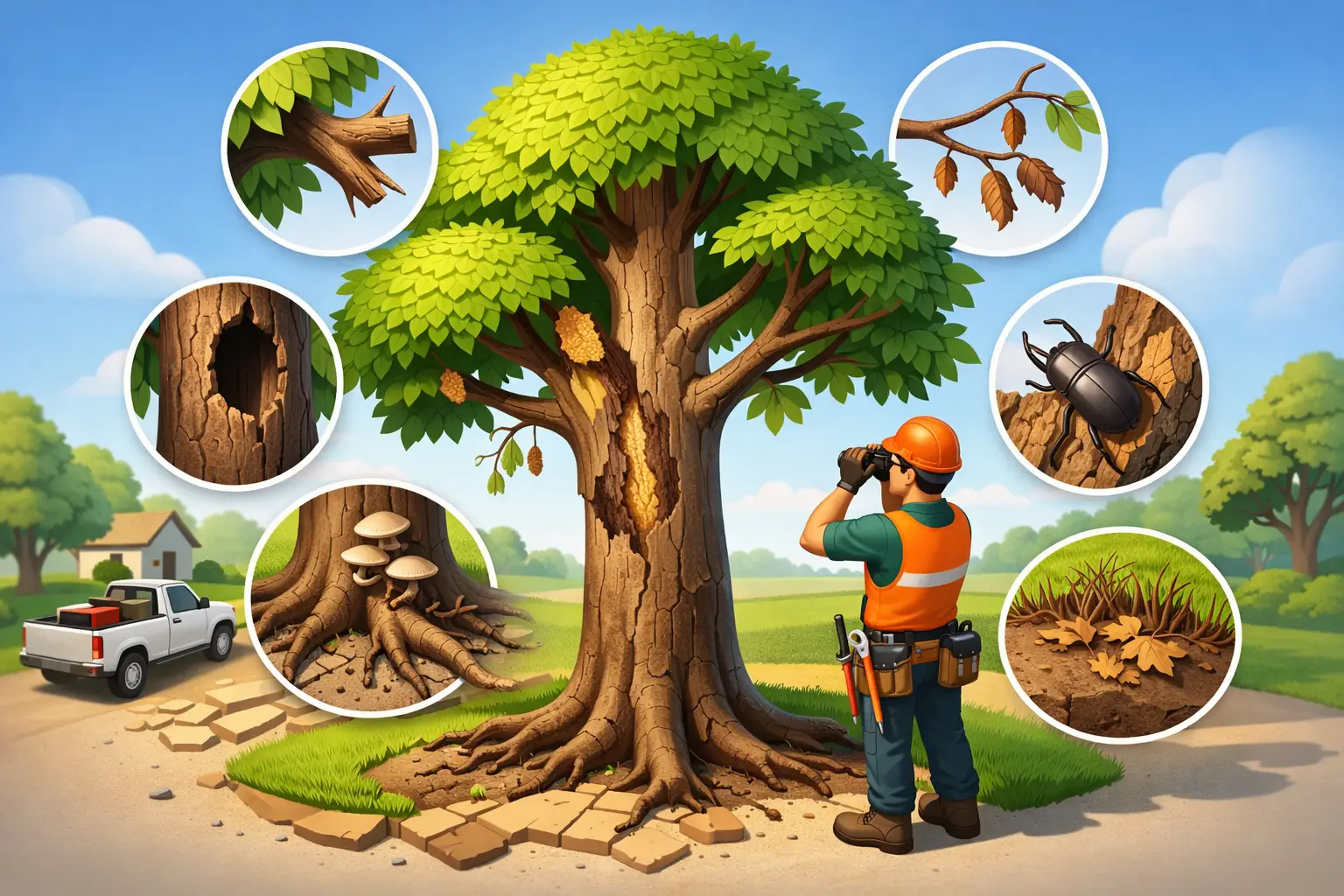
Another is a mismatch between the report and what you can actually see. If a tree now has deadwood, obvious movement, large cavities, fungal growth, broken limbs or root disturbance, the document may no longer reflect reality. That does not always mean the original survey was poor. It may simply mean the tree has changed.
You should also be cautious if recommendations feel extreme without explanation. There are times when felling is the right call. There are also times when pruning, monitoring, bracing or targeted management is the better option. A balanced report should show that alternatives were considered where appropriate.
Reviewing reports for planning and development
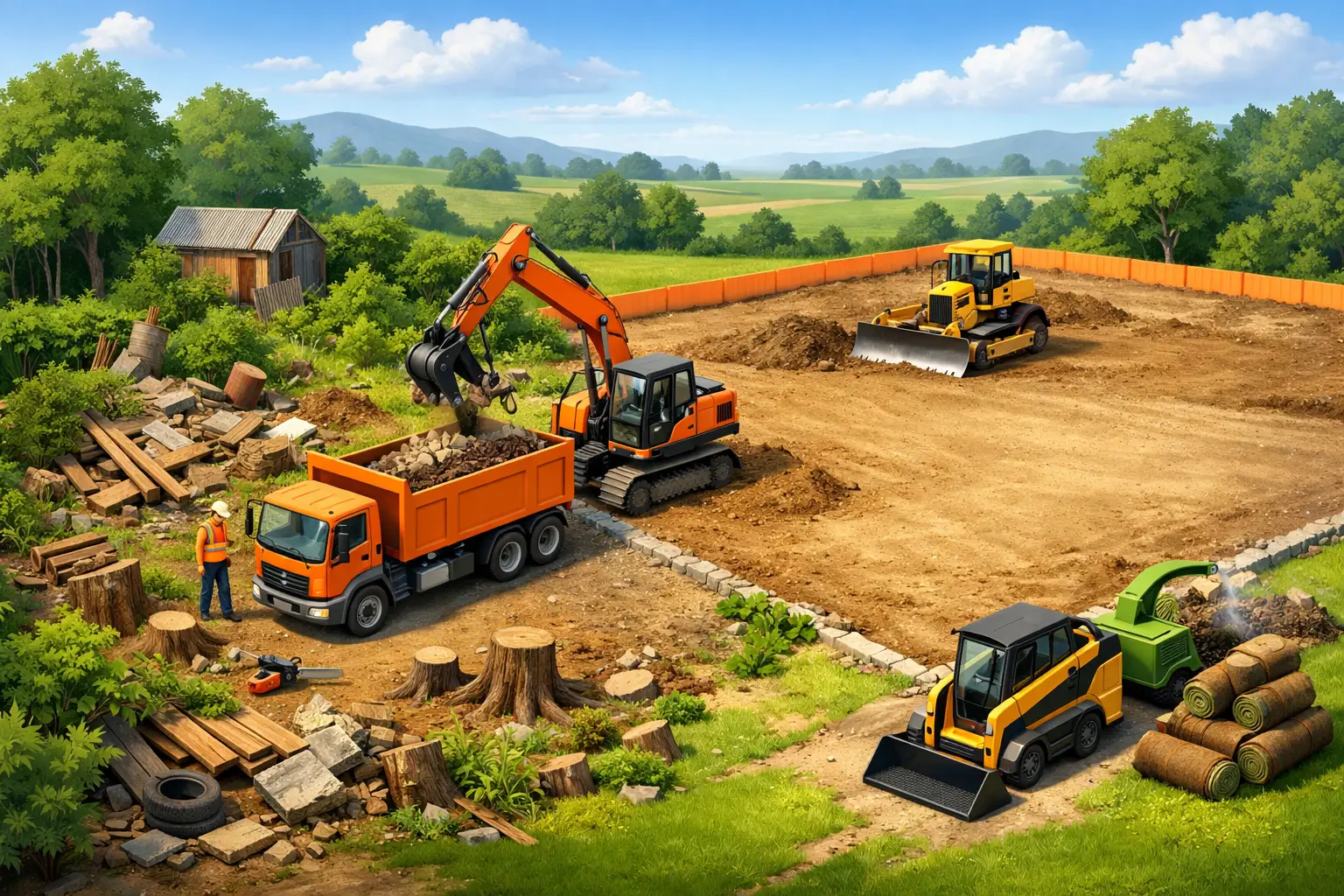
For development sites, a tree survey report review can save a great deal of back-and-forth later. Planning-related tree reports are often used to influence layout, access, excavation, service runs and protective fencing. If the original survey is weak, the knock-on effects can be expensive.
In those cases, the review needs to check whether trees have been categorised properly, whether root protection areas are realistic, and whether the proposed works can actually be carried out without harming retained trees. This is where practical site knowledge matters. A recommendation that looks tidy in a report can be difficult to deliver once machinery, access routes and levels are taken into account.
There is often a trade-off between preserving good trees and making a site workable. That trade-off needs honest assessment, not guesswork. Overstate the constraints and the scheme may become harder than it needs to be. Understate them and you risk objections, damage on site or problems that surface once work starts.
What homeowners should look for
Homeowners usually want straight answers. Is the tree safe, does work need done, and is the advice reasonable? That is entirely fair. A report does not need to be full of jargon to be professional.
If you are reviewing a report for a private property, focus on whether it clearly explains present condition, likely defects, risk level and recommended timescale. “Monitor” on its own is not especially helpful. Monitor what, how often, and for what change? “Prune” is also too broad unless the extent and purpose are stated.
It is also worth checking whether the suggested work suits the species and setting. Some trees tolerate reduction better than others. Some pruning specifications are sensible for managing clearance over drives, roofs or neighbouring gardens. Others can leave a tree looking poor, structurally compromised or prone to repeat issues. Good advice should protect both safety and long-term tree health where possible.
Common weaknesses in a tree survey report review
Most weak reports fail in predictable ways. They are not always disastrous, but they can leave too much room for doubt.
A common issue is vague language. Words such as “appears”, “possibly” or “recommend works as necessary” may be acceptable in limited context, but not when they replace clear findings. Another is lack of prioritisation. If all works are grouped together without urgency, you cannot easily tell what needs immediate attention and what can be planned later.
Poor mapping is another problem, especially on larger sites or shared boundaries. If you cannot identify which tree the report refers to, the recommendations become difficult to act on. The same goes for reports that ignore occupancy and use. A tree beside a rarely used field edge is different from one overhanging a car park, school route or main entrance.
Sometimes the issue is not what is said, but what is absent. There may be no mention of legal constraints, neighbouring implications, recent site disturbance or evidence of previous pruning. Those details can affect both the interpretation of condition and the choice of remedial work.
Why local site knowledge matters
Tree reports are strongest when they are grounded in real site conditions. In places across Fife, Dundee and Perth, trees often sit close to stone walls, older properties, narrow access routes and exposed weather conditions. A tidy-looking recommendation on paper still needs to work on the ground.
That is why practical arboricultural experience matters during review. It is one thing to identify a defect. It is another to judge whether access is available for safe dismantling, whether a cherry picker may be needed, whether pruning can realistically achieve the stated aim, or whether traffic and pedestrian management will affect timing and cost.
A review should not be carried out in a vacuum. It needs to connect the written report to the actual job, the actual risk and the actual site constraints.
When a second opinion is the right move
There is no need to overcomplicate it. If a report is recent, clear and sensible, a review may simply confirm that it is sound. But if something feels off, a second opinion is often money well spent.
That is particularly true where the outcome affects a sale, insurance discussion, neighbour concern, planning decision or higher-risk tree work. One missed defect can cause serious trouble. On the other hand, one overly cautious recommendation can lead to unnecessary work and expense.
A professional review gives you a firmer basis for deciding what happens next. That may mean proceeding with the recommended works, refining them, updating the survey, or carrying out a fresh inspection altogether. At HL Tree Services, that kind of practical, honest advice is exactly what local clients tend to value most.
The best review is one you can act on
A tree survey report is only useful if it helps you make a good decision. The best reviews do not hide behind technical wording or offer blanket answers. They tell you whether the report is fit for purpose, whether the trees have been assessed properly, and what needs attention now versus later.
If you are looking at a report and still feel unsure, trust that instinct. Trees change, sites change, and paperwork does not always keep pace. A clear, experienced review can turn uncertainty into a sensible plan – and that is usually the point where problems stop growing.