A tree can look straightforward from the ground, then turn into a very different job once a climber is up in the canopy. That is why tree removal cost is rarely a flat fee. Two trees of a similar height can come with very different levels of risk, access issues and time on site, and those are the details that shape the final price.
For homeowners and site managers, the real question is not just what tree removal costs, but why. A clear quote should reflect the work involved, the equipment needed, the level of risk, and the standard of clean-up afterwards. When you understand what goes into pricing, it is much easier to compare quotes properly and avoid surprises.
What affects tree removal cost?
The biggest factor is usually the size of the tree, but size alone does not tell the full story. A tall conifer in an open field is one thing. A smaller tree hanging over a conservatory, fence line or public pavement can take longer and require more controlled dismantling.
In practical terms, arborists price for time, labour, risk and disposal. If a team can fell a tree cleanly into a safe drop zone, the work is faster and simpler. If every section has to be lowered carefully with ropes to protect nearby buildings, sheds, greenhouses or parked vehicles, the job becomes more technical and the price rises to match.
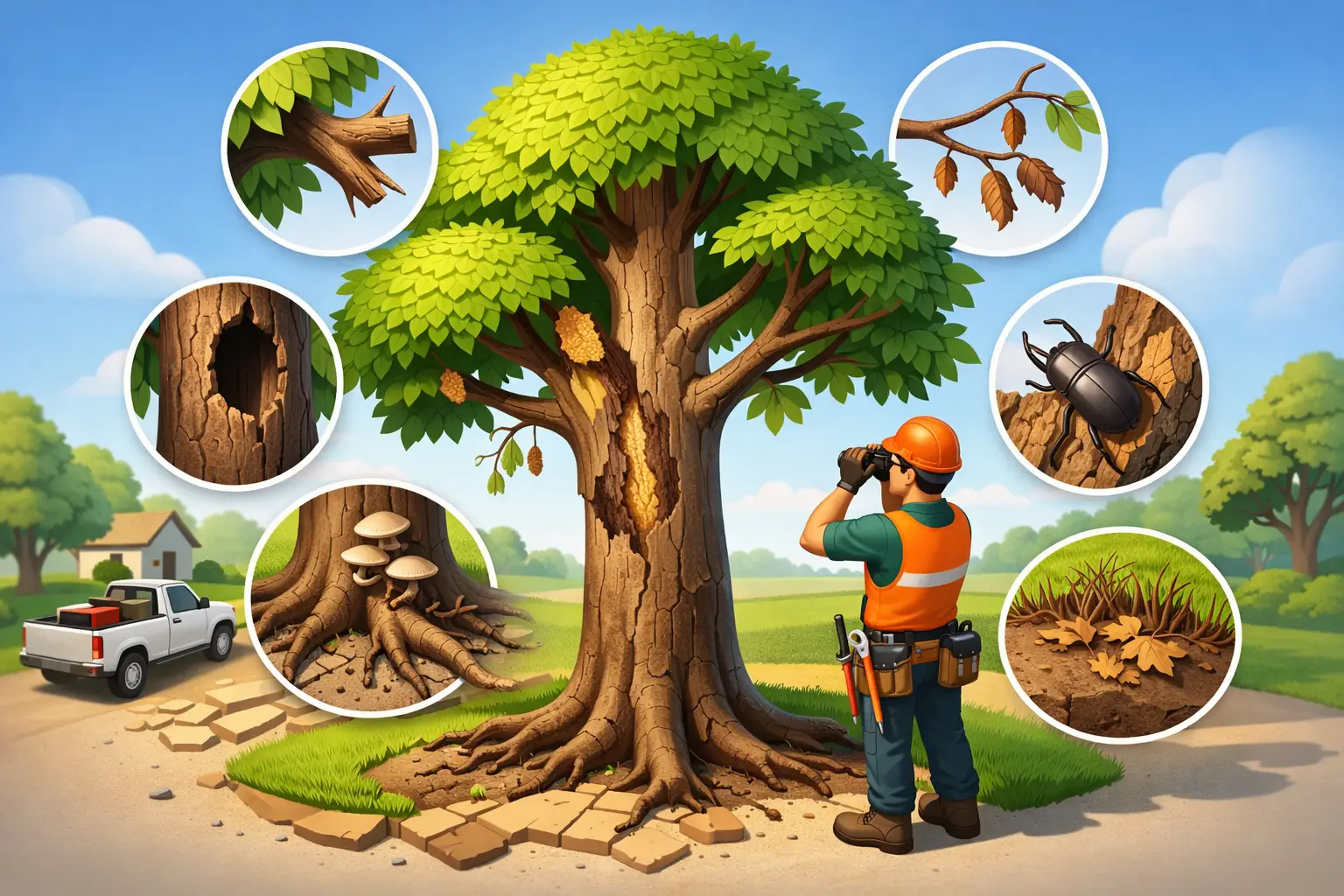
Tree species can also matter. Some trees are dense, heavy and awkward to dismantle. Others have brittle limbs or poor structural condition, which increases the risk for the crew. Dead, storm-damaged or diseased trees often need extra care because they do not behave as predictably as healthy timber.
Size and height usually set the baseline
When people ask about tree removal cost, they are often thinking in terms of small, medium or large trees, and that is a sensible place to start. A small ornamental tree in a front garden is generally far less expensive to remove than a mature beech, sycamore or conifer that dominates the whole plot.
Height affects how long the work takes, how the tree must be dismantled, and whether specialist access equipment is needed. A taller tree means more climbing, more cutting points, more brash to process and more timber to move. It also tends to mean more risk, especially in built-up gardens where there is little room for error.
That said, a shorter tree can still be a costly removal if it is badly positioned. Trees close to homes, garages, boundary walls and overhead lines often require a slower, more controlled approach than a larger tree with plenty of clear space around it.
Access can change the price quickly
Access is one of the most underestimated parts of any tree job. If a team can get vehicles, chippers and equipment close to the work area, the job is more efficient. If everything has to be carried through a narrow side passage, over steps, or across a long garden, labour time increases.
This matters on domestic sites in particular. A rear garden removal with no direct access can involve repeated trips carrying timber and branches by hand. On larger properties or commercial sites, soft ground, slopes and awkward positioning can create similar issues.
In some cases, specialist equipment such as a cherry picker makes the work safer and faster, but that has to be factored into the quote. Used properly, this kind of equipment is not an extra for the sake of it. It can be the right choice for difficult access, unstable trees or work where climbing is not the safest option.
Risk level matters as much as the tree itself
A professional quote is not just pricing the cutting. It is pricing the safe management of risk. That includes nearby structures, roads, footpaths, neighbouring properties and anyone who could be affected while the work is underway.
A tree overhanging a house, road or public space has to be dismantled with precision. Sections may need to be rigged and lowered in a controlled way rather than cut and dropped. Traffic or pedestrian management may also be needed in some locations. All of that adds time, planning and skilled labour.
Emergency call-outs are another example. A tree that has partially failed in high winds, or is resting on a building, fence or other tree, is far more complex than a routine planned removal. These jobs often need a fast response, careful assessment and a methodical approach to make the site safe before any dismantling begins.
Waste removal and clean-up are part of the cost
One reason quotes can vary is what happens to the waste afterwards. Some customers want everything removed from site, including logs, branches, chip and stump grindings. Others are happy to keep firewood or woodchip for garden use. That difference can affect the final figure.
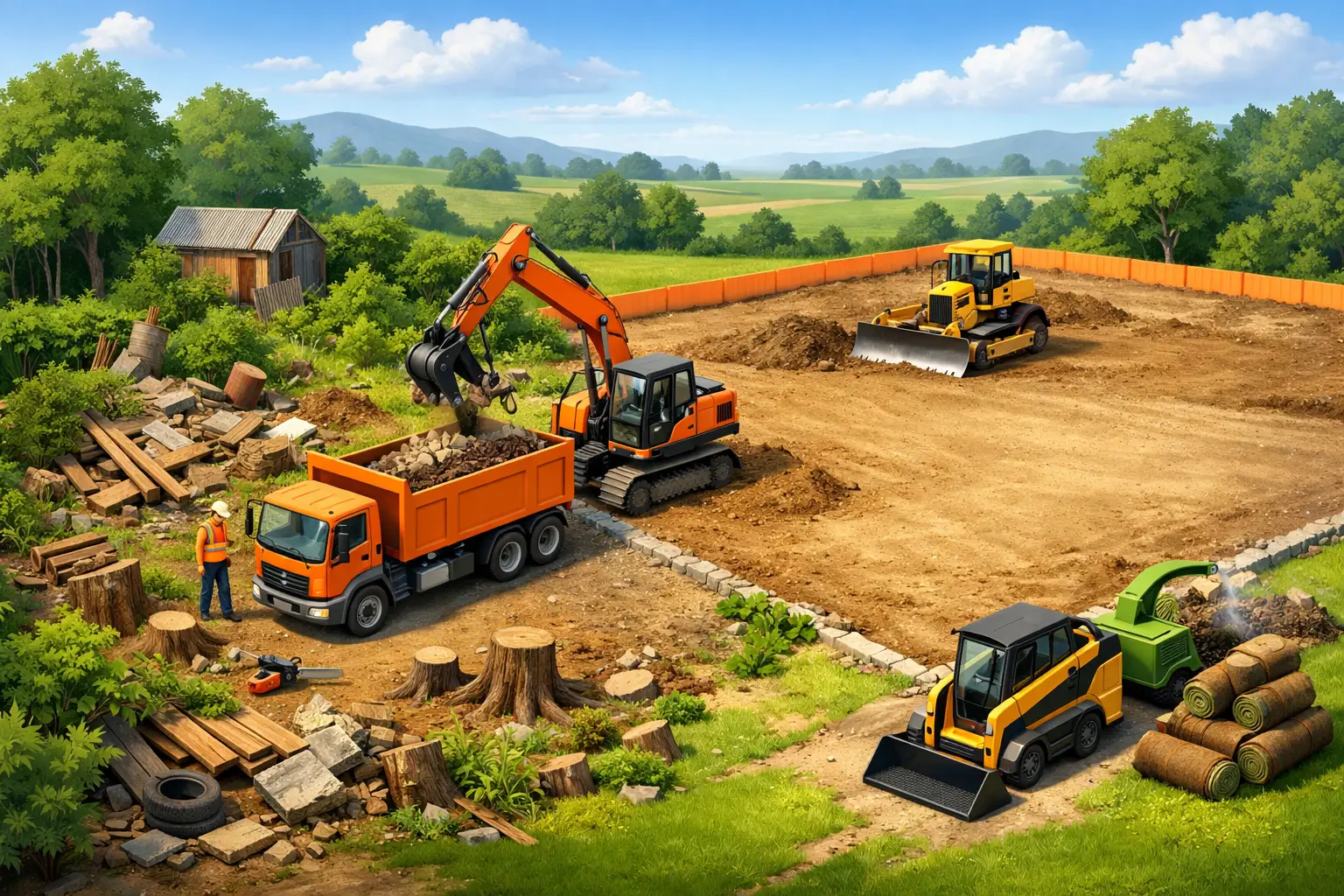
A thorough service usually includes cutting, chipping, loading, transport and responsible disposal or processing of the waste. Clean-up takes time too, especially after large removals where a surprising amount of material comes down from the canopy.
This is worth checking when comparing prices. A lower quote can sometimes reflect a lighter clean-up standard or limited waste removal. For most customers, especially around homes, schools, managed grounds and business premises, leaving the site tidy is part of a professional job rather than an optional extra.
Does stump removal come separately?
Often, yes. Tree removal cost and stump removal cost are not always bundled together. Removing the tree above ground is one job. Grinding out the stump is another, with different equipment and time requirements.
Whether stump grinding is needed depends on your plans for the area. If the stump is out of sight in a woodland edge, you may choose to leave it. If you want to replant, lay turf, build over the area or simply avoid regrowth and trip hazards, stump removal usually makes sense.
The size of the stump, its species and access for machinery all affect the price. A straightforward stump in an open lawn is simpler than one tucked against walls, paving or underground services.
Permissions and legal checks can affect the job
Not every tree can be removed as soon as you decide it has to go. Some trees are protected by a Tree Preservation Order or stand within a conservation area. In those situations, formal permission may be required before work starts.
That does not always add a large cost, but it can affect timescales and planning. There may also be ecological considerations, especially during bird nesting season or where there is a chance of protected wildlife using the tree.
A reputable contractor will flag these issues early rather than pressing ahead and leaving the client exposed. Good advice here can save a great deal of trouble later.
Cheap quotes are not always good value
It is tempting to compare tree removal cost as if every contractor is offering the same thing. In reality, the difference between quotes often comes down to insurance, training, equipment, safety standards and the quality of the finish.
A very cheap price may mean corners are being cut. That could show up in poor site protection, limited clean-up, unqualified labour or no proper plan for working around hazards. Tree work is high-risk work. The right team should be fully insured, properly equipped and able to explain how the job will be done safely.
For customers in places like Fife, Dundee and Perth, local experience can also make a difference. A contractor who regularly handles awkward domestic gardens, mature roadside trees and storm-damaged removals will usually price with a more realistic understanding of the work involved.
How to get a useful quote
The best quote is based on a proper site visit. Photos can help as a starting point, but they rarely tell the full story. Condition, lean, hidden defects, access restrictions and nearby obstacles are much easier to assess in person.
A good quote should be clear about what is included. That means the tree or trees being removed, whether waste is taken away, whether stump grinding is included, and what level of clean-up you can expect. If there are access concerns, permission issues or likely complications, those should be explained plainly.
If you are comparing quotes, compare the scope, not just the number at the bottom. A slightly higher figure may include better access equipment, safer working methods and a cleaner finish. That is often better value than paying less and inheriting the mess or the risk.
HL Tree Services carries out this kind of work every day, and the approach is always the same – assess the site properly, explain the job honestly, and carry it out safely and tidily.
Tree work is one of those jobs where the details matter. If you are unsure about a tree on your property, the most useful first step is not guessing a price online. It is getting clear advice from a qualified team who can look at the tree, talk through the options, and tell you what the job really involves.