If you have had to remove a tree, the empty space can look surprisingly stark. A good guide to planting replacement trees is not just about putting something new in the ground. It is about choosing the right tree for the site, giving it the best start, and avoiding the common mistakes that lead to poor growth or early failure.
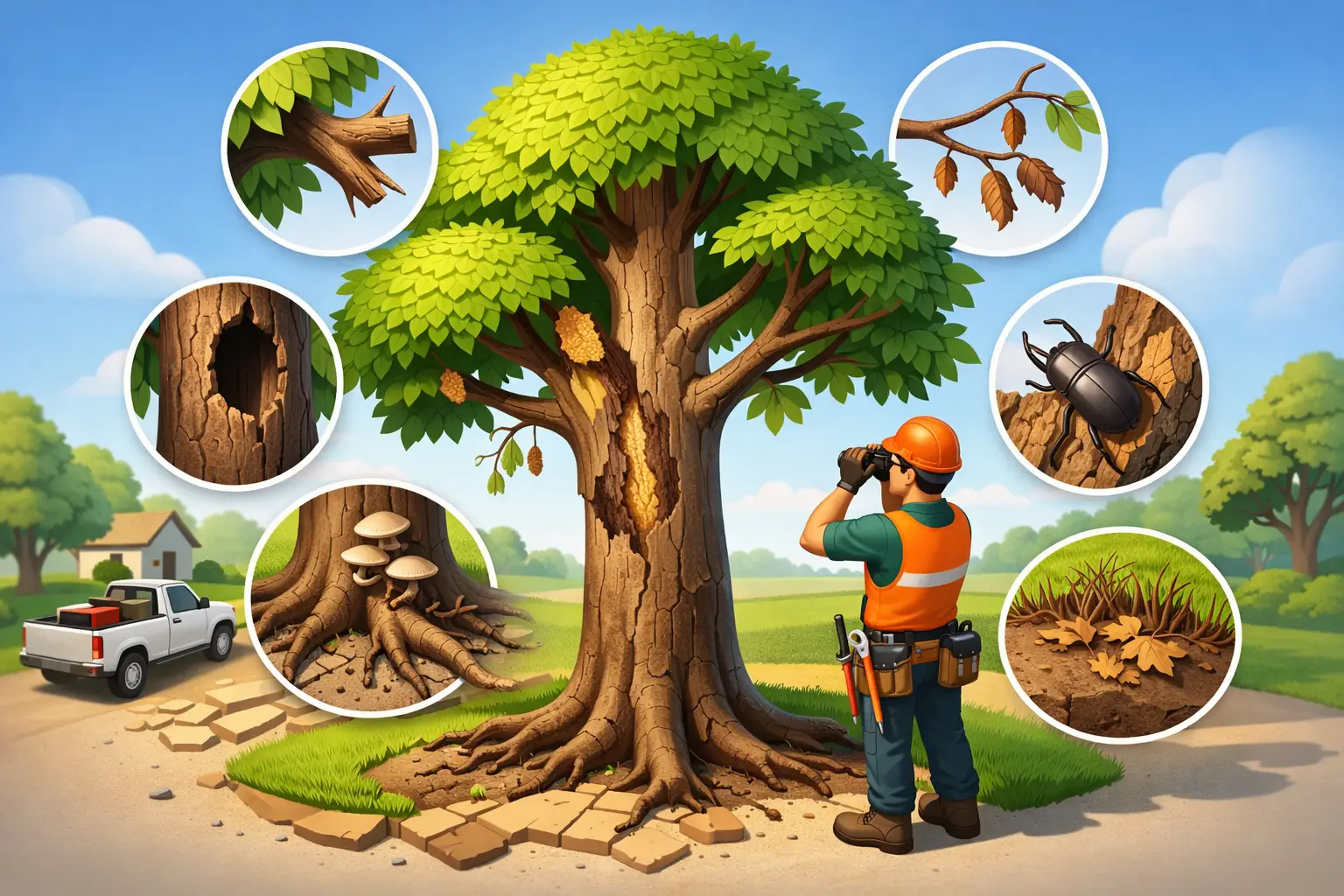
Replacement planting often follows tree removal for practical reasons. A tree may have become unsafe, outgrown its position, suffered storm damage, or declined beyond recovery. In some cases, replanting is simply the sensible next step to restore privacy, soften a development site, replace lost screening, or maintain the character of a garden, estate, or commercial grounds.
The key point is this: replacing a tree is not a like-for-like exercise by default. The best species for the next 30 years may be very different from the one that stood there before.
Why a guide to planting replacement trees matters
The biggest problems with replacement trees usually start long before planting day. People understandably focus on what looks attractive in the nursery, but success depends more on soil conditions, drainage, available space, nearby buildings, and how much ongoing maintenance the tree will need.
A fast-growing species can seem appealing when you want quick impact, but that speed often comes with trade-offs. Some grow brittle, some become too large too quickly, and some need regular pruning to stay suitable for the space. A slower-growing tree may be the better long-term choice if you want structure, lower maintenance, and fewer future problems with roots, branches, or shading.
This matters just as much for commercial sites and managed grounds as it does for domestic gardens. A poorly chosen tree can create repeat costs, block access, interfere with sightlines, or become a safety concern later on.
Start with the site, not the species
Before choosing any replacement tree, look carefully at the planting position. Ask how much room is genuinely available both above and below ground. That means not just the lawn or border space, but nearby fences, walls, driveways, outbuildings, overhead lines, and underground services.
Soil type makes a real difference. Heavy clay, sandy ground, exposed coastal conditions, and waterlogged areas all affect which trees will establish properly. Across parts of Fife and the surrounding area, coastal exposure and strong winds can also be a deciding factor. A species that thrives in a sheltered inland garden may struggle badly in a more exposed site.
Light levels matter too. Some trees cope well in partial shade, while others need full sun to perform properly. If the previous tree created a protected microclimate, you may find the site is now colder, windier, and drier than expected once it has been removed.
Choosing the right replacement tree
There is no single best replacement tree. The right choice depends on your priorities.
If screening is the main goal, you may want a species with reliable canopy density and a predictable shape. If ornament is more important, flowering, autumn colour, bark interest, or seasonal form may lead the decision. If biodiversity is part of the brief, native or wildlife-friendly species often make sense, though even then it depends on the site and how formal or managed the setting needs to be.
Size at maturity should be one of the first filters, not an afterthought. Too many planting problems start with a tree that was suitable at purchase size but unsuitable at mature size. That is especially common in smaller gardens and near buildings.
It is also worth thinking about future maintenance. Some species drop significant blossom, fruit, sap, or leaves in ways that are not ideal over patios, parked cars, entrances, or public-facing hard surfaces. Others need formative pruning in the early years to establish a sound structure. None of this means they are poor trees, only that they need to suit the location.
Should you plant in the same spot?
Sometimes yes, but not always.
Planting directly into the exact position of a removed tree can be difficult if the stump has only recently been ground out or if the soil is still full of old roots and woody material. That ground may settle unevenly, dry differently, or tie up nutrients while the remaining material breaks down. In practical terms, shifting the new tree slightly can often give better results.
If the previous tree was removed because it was too close to a structure or because it repeatedly caused management issues, planting in the same place may simply recreate the same problem in time. A better offset, even by a few metres, can improve the long-term outcome.
Getting the planting process right
Planting replacement trees properly
A well-planted young tree usually outperforms a poorly planted larger one. Bigger is not always better. Heavy standard trees can give instant presence, but they also need more careful handling, stronger aftercare, and more reliable watering while they establish.
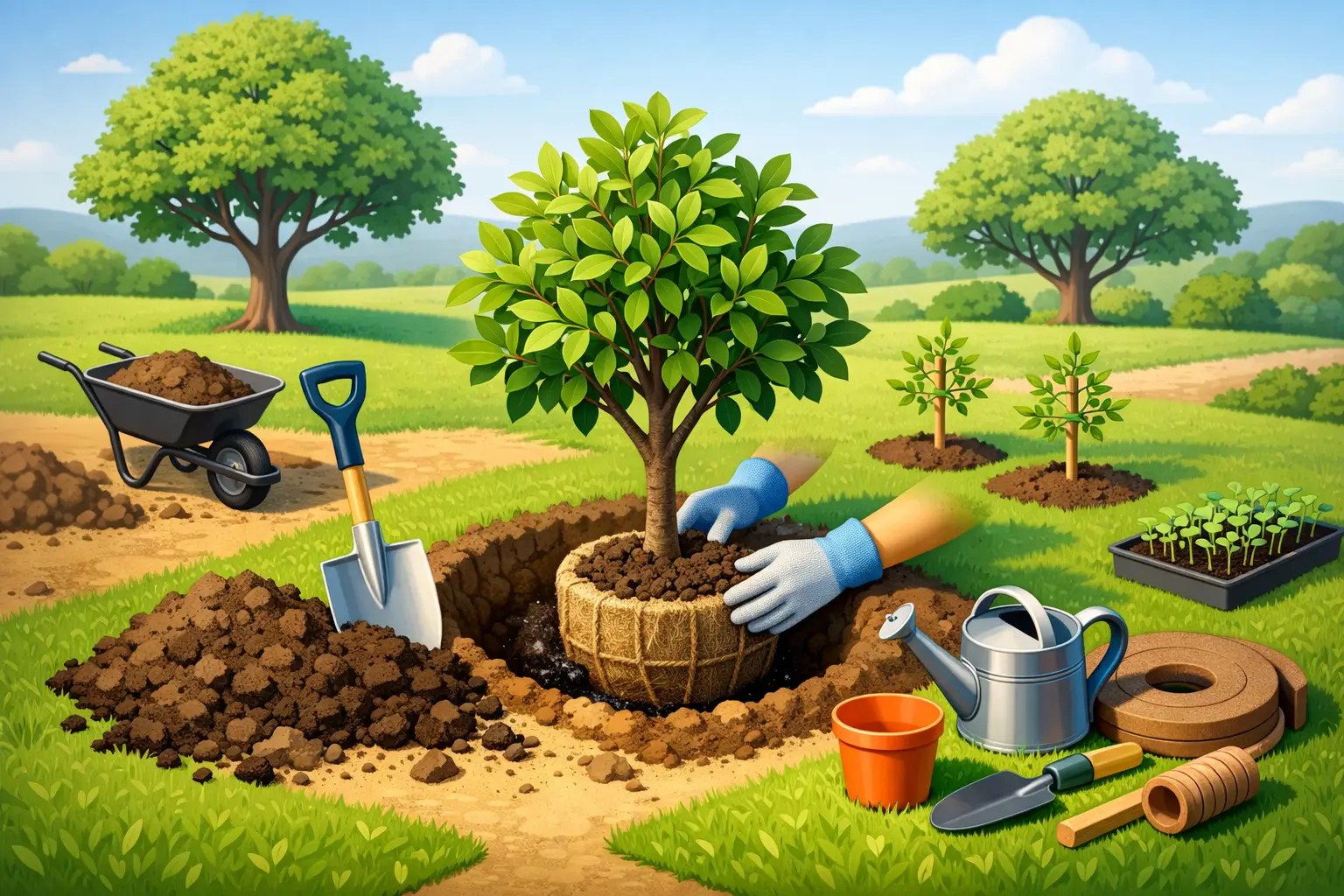
The planting pit should be wide enough to allow the roots to spread into loosened ground, but not unnecessarily deep. One of the most common mistakes is planting too low. The root flare should sit at the correct level, not buried beneath excess soil or mulch.
Any damaged, circling, or compacted roots should be dealt with appropriately depending on whether the tree is container-grown, root-balled, or bare-root. The backfill should usually be the site soil unless there is a clear reason to improve it. Overcomplicating the pit with rich compost alone can discourage roots from moving out into the surrounding ground.
Firming the soil matters, but avoid overcompaction. The aim is to remove large air pockets while keeping the ground open enough for water and oxygen movement.
Staking is another area where it depends. Some trees need support, particularly in exposed positions, but poor staking can rub the stem, restrict natural movement, or remain in place too long. A tree should be supported, not rigidly fixed.
Watering and aftercare make the difference
Most replacement tree failures happen after planting, not during it. The first two to three growing seasons are critical.
Newly planted trees need consistent watering, especially in dry spells. That applies even in Britain, where people often assume rainfall will do the job. It often does not. Light surface watering is rarely enough. Trees need thorough watering that reaches the root zone and encourages deeper root development.
Mulching helps retain moisture, suppress weeds, and moderate soil temperature. Keep mulch clear of the stem to reduce the risk of rot and pest issues. A tidy mulch ring also makes strimming damage less likely, which is a common but avoidable cause of young tree decline.
Regular checks are worthwhile. Look for loosened ties, drought stress, pest activity, poor leaf development, or signs that the tree has sunk below its planting level. Catching small issues early is far easier than trying to rescue a struggling tree a year later.
Common mistakes to avoid
One mistake is choosing purely on appearance without considering mature size or site conditions. Another is planting too deep, which can quietly undermine a tree for years.
Poor watering is a major issue, particularly in the first summer. So is neglecting aftercare once the tree is in the ground. Some owners assume planting is the job done, when in reality establishment has only just begun.
There is also the question of timing. Bare-root trees are generally planted during the dormant season, while container-grown stock gives more flexibility. Even so, extreme weather, frozen ground, or very dry conditions are never ideal. Good timing improves the odds from the outset.
When professional advice is worth it
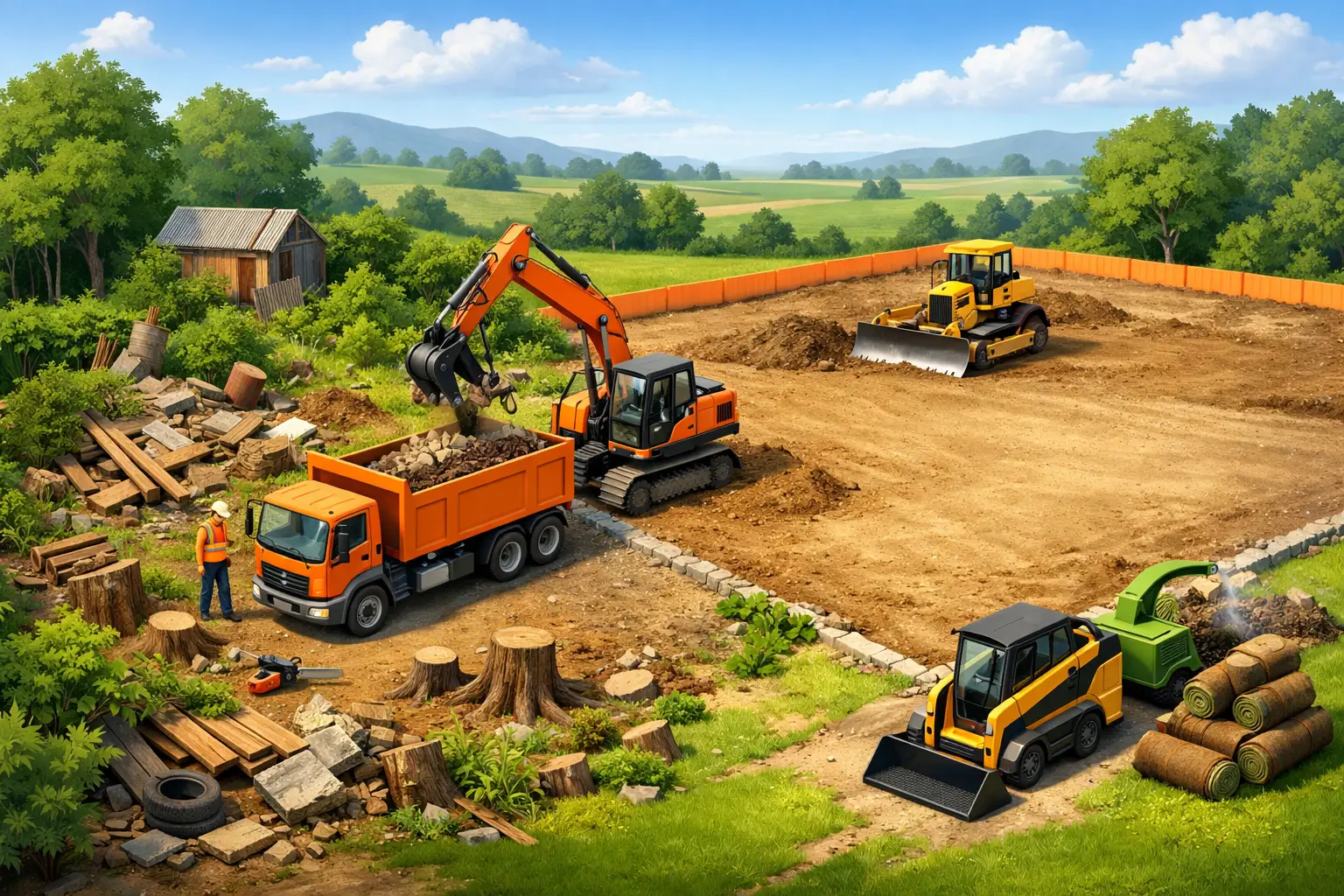
Replacement planting looks straightforward until the site becomes awkward. Sloping ground, restricted access, high winds, compacted soil, underground constraints, or formal planting schemes all add complexity. The same applies if a replacement tree is part of planning conditions, a landscape specification, or a wider site clearance and replanting programme.
This is where experienced arboricultural advice can save time and expense. A professional can assess the site, recommend suitable species, handle planting correctly, and set out an aftercare approach that gives the tree the best chance of establishing well. For larger gardens, estates, and commercial premises, that level of planning usually pays for itself in healthier trees and fewer remedial problems later.
A replacement tree should not feel like second best. Done properly, it can be a real improvement on what was there before – better suited to the space, easier to manage, and more valuable to the setting over time.
If you are planning to replant after tree removal, take a little longer over the decision than you think you need. The right tree in the right place will reward that care for decades.