A tree rarely picks a convenient time to fail. It happens in high winds, after heavy rain, late at night, or just before a busy working day when a split limb is suddenly hanging over a road, driveway, roof or public footpath. When that happens, you need a 24 hour tree surgeon Dundee property owners can rely on – not someone who turns up with a chainsaw and good intentions, but a trained team that knows how to make a dangerous situation safe.
Emergency tree work is different from routine pruning or planned felling. The pressure is higher, the risks are greater, and the margin for error is much smaller. A storm-damaged tree can be unstable in ways that are not obvious from the ground. What looks like a branch job may actually involve a cracked stem, root plate movement or hidden tension in the timber.
When to call a 24 hour tree surgeon in Dundee
Not every tree issue is a middle-of-the-night emergency. A tree that is overgrown, untidy or blocking light can usually wait for a booked visit. But if there is an immediate risk to people, buildings, vehicles or access routes, it becomes a different matter.
The clearest examples are fallen trees, snapped limbs, storm-damaged crowns, trees leaning suddenly after bad weather, or branches resting on roofs, fences, garages, power lines or parked cars. Access problems also matter. If a tree is blocking an entrance, road, driveway or site access point, fast action may be necessary for safety and practical reasons.
There are also cases where the damage is less dramatic but still urgent. A large limb can split without fully falling, leaving it suspended above a garden or path. A mature tree may show root lift on one side after saturated ground and strong winds. In those situations, waiting too long can turn a manageable job into a more serious one.
Why emergency tree work needs a professional approach
In an emergency, people understandably want the hazard gone quickly. The problem is that speed without control can make things worse. Trees under stress behave unpredictably. Branches can twist, spring, drop or drag other sections of the canopy with them as they come down.
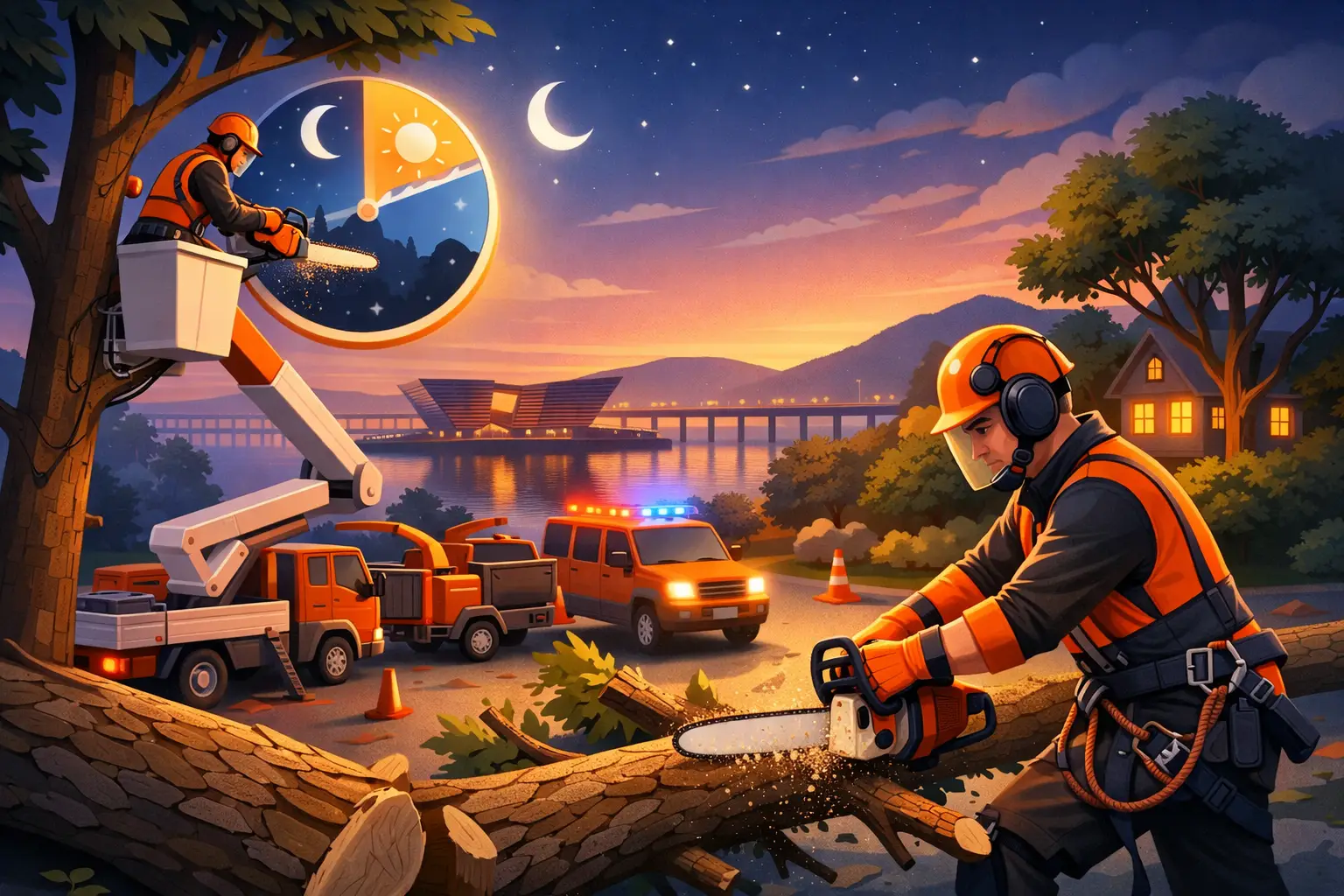
That is why proper emergency response starts with assessment, not cutting. A skilled tree surgeon looks at the tree structure, the weight distribution, surrounding targets, access limits and the safest dismantling method. On some jobs, climbing is right. On others, specialist access equipment such as a cherry picker is the safer option. It depends on the condition of the tree, the ground below and the space available.
This is especially important in built-up areas of Dundee where houses, parked cars, garden walls and neighbouring properties leave little room for error. The work has to be carried out methodically, with public safety and site protection in mind from the start.
What a proper emergency response should include
A dependable emergency service is about more than simply arriving quickly. You should expect a clear safety-first approach, practical advice and tidy workmanship once the immediate danger is under control.
That usually means making the area safe, isolating the hazard, removing failed limbs or unstable sections, and reducing the tree carefully where full removal is not immediately necessary. Sometimes the safest first step is partial dismantling, followed by more complete remedial work once conditions are better and the full extent of the damage can be reviewed in daylight.
There is often a trade-off between immediate action and long-term tree retention. A good tree surgeon will not remove more than is necessary just because the call-out is urgent. If a tree can be made safe and retained, that should be part of the discussion. If it is beyond saving, you need honest advice about that too.
Common emergency call-out situations
Storm damage is the obvious one, but it is not the only reason people need help outside normal hours. In practice, emergency tree work covers a fairly wide range of situations.
A large conifer brought down across a driveway after overnight winds is one example. So is a split sycamore limb hanging over a neighbour’s conservatory, or a mature beech shedding heavy deadwood onto a shared access route. Commercial sites can have different pressures, especially where a tree affects customer parking, delivery access, boundary security or public-facing areas.
For homeowners, the concern is usually immediate safety and property damage. For landlords, estates and site managers, there is often the added issue of liability. If a dangerous tree has already failed or clearly poses a serious risk, getting qualified help out quickly is part of responsible property management.
What to do while you wait for the tree surgeon
The first step is simple – keep people away from the affected area. Do not walk under hanging limbs, and do not allow children or pets into the garden if there is any chance of falling timber. If a branch has landed on a roof or vehicle, avoid trying to pull it clear yourself. The movement can release weight suddenly and cause further damage.
If it is safe to do so, move cars away from the area and keep access clear for the team arriving. Good access can make a real difference to how quickly and safely the job can be handled. Beyond that, the best thing you can do is leave the tree alone.
Many injuries happen when people attempt emergency tree work with domestic tools, ladders or basic chainsaws. Even a smaller branch can hold significant tension. Once cut in the wrong place, it can kick back or swing unexpectedly.
Can the tree always be saved?
Sometimes yes, sometimes no. It depends on the species, the extent of the failure, the structural integrity of the remaining tree and the location. A broken branch does not always mean the tree needs to come down. In some cases, crown reduction or selective removal of damaged sections can leave a healthy, stable tree with a good future.
If the main stem has split, the root system has shifted, or the tree has failed close to the base, removal may be the only safe option. That can be disappointing, particularly with mature trees that have been part of a garden for years. But safety has to come first, and a straightforward answer is better than false hope.
Choosing a 24 hour tree surgeon Dundee customers can trust
When the pressure is on, people often call the first number they find. That is understandable, but it still pays to look for the right signs. You want a company that handles emergency work regularly, works safely, uses proper equipment and leaves the site in a tidy condition rather than adding another problem for you to sort out.
Local knowledge helps as well. A team familiar with Dundee and the surrounding area can often respond more effectively, and they understand the mix of tight residential access, exposed sites and mature trees common across the region. That matters when time is short and the job is awkward.
HL Tree Services works with homeowners and commercial clients across Dundee and nearby areas, dealing with everything from urgent storm damage to complex dismantling where space is tight and safety is critical. The value in that is not just speed – it is knowing the work will be approached properly from the outset.
After the emergency: what comes next?
Once the immediate danger is removed, there may still be decisions to make. You might need the remaining tree inspected, neighbouring trees assessed, or stump grinding arranged if a full removal has taken place. In some cases, a damaged hedge line or boundary planting may also need attention after access for machinery or falling timber has disturbed the area.
This is where a professional service should continue beyond the call-out itself. A good team will explain what has been done, what condition the tree or site is now in, and whether any follow-up work is sensible. That might mean remedial pruning, rebalancing the crown, clearing debris fully, or advising on replacement planting if a significant tree has been lost.
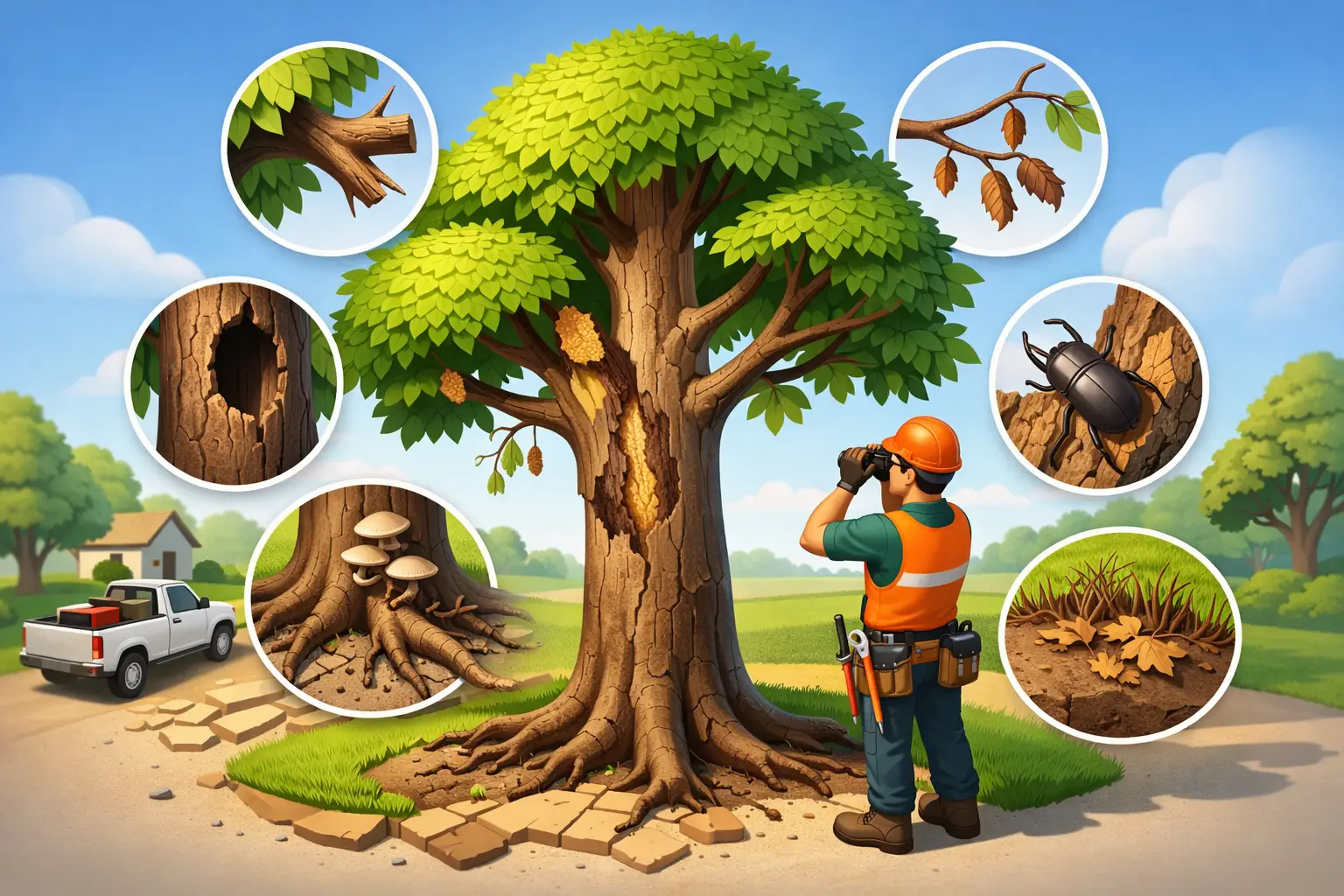
There is also a wider point here. Emergency call-outs often reveal issues that were developing quietly for months or years – included bark unions, deadwood, decay pockets, root disturbance or poor previous pruning. Regular inspection and maintenance will not prevent every storm failure, but it can reduce the odds of a late-night problem landing on your roof or across your drive.
When a tree becomes dangerous, the priority is clear: make it safe, make it safe properly, and do it without creating more damage than necessary. If you ever need a 24 hour tree surgeon in Dundee, the right help should feel calm, capable and in control from the moment the team arrives. That sort of response matters most when everything else feels uncertain.